
 By James Parsons
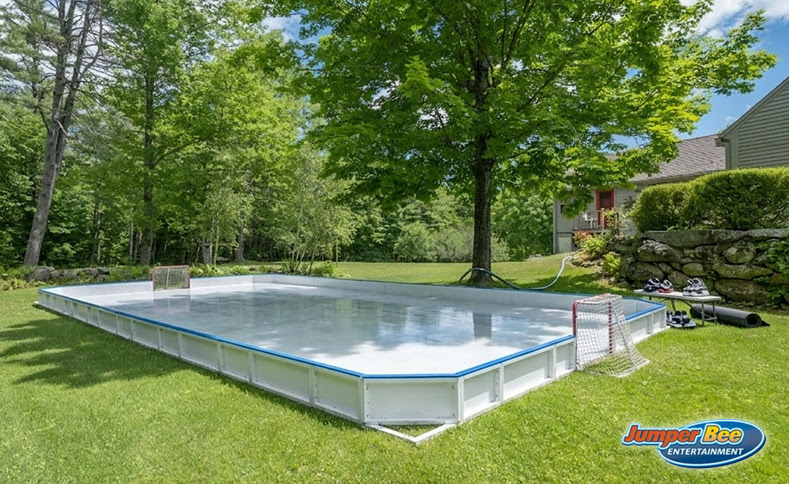
So homeowners look out at their backyard and pretty quickly write off a portable ice rink with the assumption that it’ll only work on a flat concrete pad or a paved surface. Grass and bare dirt have earned a pretty bad reputation for this sort of project - they’re too soft, uneven and unpredictable. Without much reliable information out there to challenge that assumption, it’s easy enough to talk yourself out of a setup that could work, and I see it happen quite a bit.
The hesitation makes sense - a backyard rink holds hundreds of gallons of water, and it all has to freeze evenly if you want it to be safe and actually fun to skate on. Any weak area in the foundation will show itself pretty fast once the water goes in - it’s a concern worth taking seriously. The surface underneath (grass, dirt or pavement) is almost never the reason that a rink succeeds or ends up failing, though.
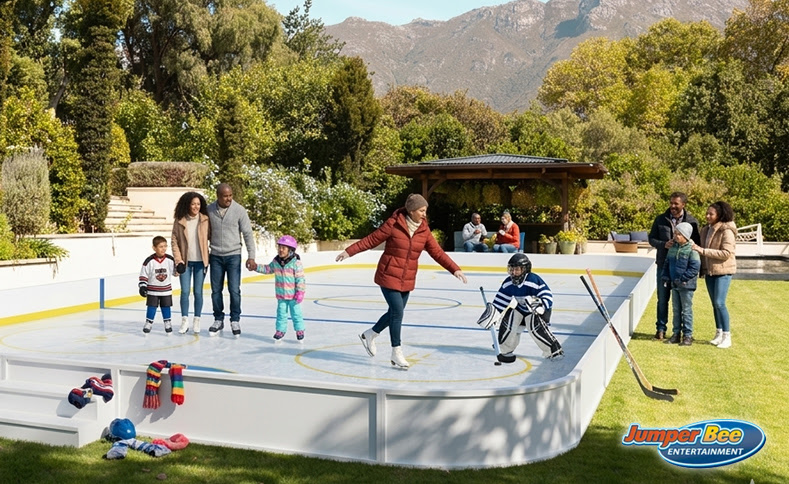
Families all across North America set up their seasonal backyard rinks on normal lawns and bare dirt patches each winter, and it happens far more than you would ever think. The secret is to work with each surface on its own terms and build your rink around what it needs instead of forcing the same strategy onto ground that just won’t work.
The prep work that you skip is the real obstacle.
Let’s find out if grass or dirt can work for your ice rink!
Both Grass and Dirt Work Just Fine
Grass and dirt are perfectly fine surfaces to set a portable ice rink up on, and it’s one of the more common questions we get. Backyard rinks get set up on them all over the place every winter with no problems at all.
The hesitation makes total sense, though. Uneven ground, mud and whatever organic material could be lurking underneath can all feel like legitimate warning signs, and it makes sense to take them seriously. That said, the surface type itself is almost never what causes the problem.
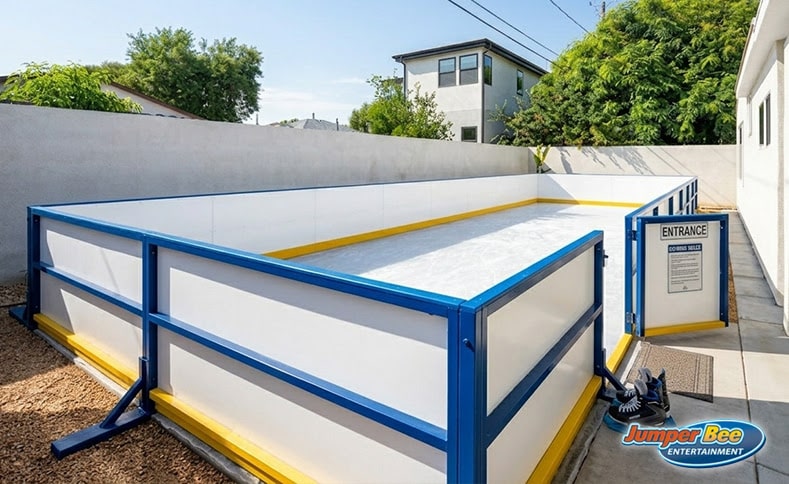
The prep work that you do before the liner ever goes down is what makes the biggest difference in the long run. A grass or dirt surface that’s been leveled and cleared of any sharp debris will hold up just as well as a paved one. The ground underneath doesn’t have to be flawless - it should just have a little time and attention before setup begins.
For anyone who has been holding off on a backyard rink because the yard doesn’t have a concrete pad or a flat patio - neither of those is needed. Grass and dirt work well as a base, and the prep work itself is more manageable than it might look. The yard prep is, in my experience, one of the top three most skipped steps in the whole process - and also one of the easiest to get right.
The next section gets into that in more detail, so there’s no need to go too deep on it here. The short answer is yes - and the longer answer is that the type of ground matters much less than whether the setup was actually done right.
Flat Ground Makes a Big Difference
A level surface is one of the most underrated parts of a backyard rink setup. If the ground underneath isn’t even, the water won’t spread out evenly either - that’s where the issue starts. Some parts of your rink will develop thick ice, and other areas will stay dangerously thin.
Thin areas are always the first place the ice starts to crack, and once a crack forms, it just continues to spread. An uneven ice load also puts actual strain on your frame and liner because the weight of the ice isn’t distributed the way that it needs to be. That pressure tends to build up over time, and eventually it starts to show.
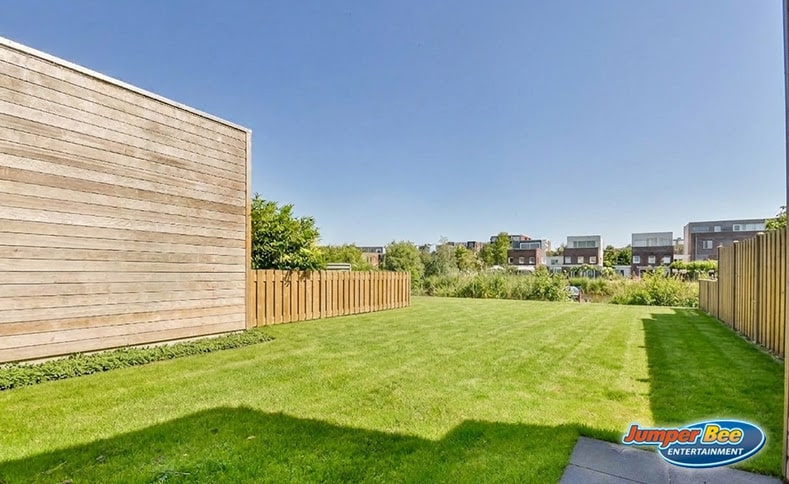
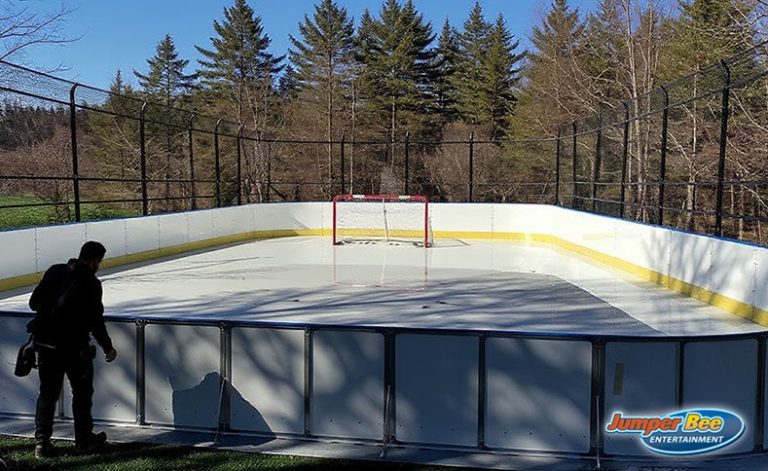
You want to get your ground to within about 1-2 inches from end to end. A yard that looks flat to the naked eye can still have dips and rises that add up once you’re working across a large surface. Take a slow walk around the area and give it a close look first. A long level or a laser level will make this whole process quite a bit easier, and either one is a pretty small investment.
This part of the job is one of the easiest ones to underestimate. A rink that gets placed on uneven ground will very likely need to be drained and repositioned once the ice has set up wrong and at that point, the whole job has to be done twice for the exact same result. I’ve seen this happen plenty of times.
Grass Can Help Keep the Ice Frozen
Grass has at least one actual advantage as a rink surface - even if it’s not the most obvious choice. A short layer of grass works as a natural buffer between the cold ice above and the warmer ground below. The insulation helps the surface hold its temperature a bit longer than bare dirt ever could.
A poorly prepared lawn can work against you just as much as it can help. Tall or thick grass creates small air pockets underneath your liner. Those gaps make it pretty hard for the surface to freeze evenly. What you’re left with are soft areas and patches that just won’t freeze the way they should - and once the rink is full of water, those areas are a headache to fix.
The fix is pretty easy - mow as short as you can before setting anything up. A close cut leaves you with the flattest base to work on. It’s a legitimate part of the installation process, and it pays to treat it that way.
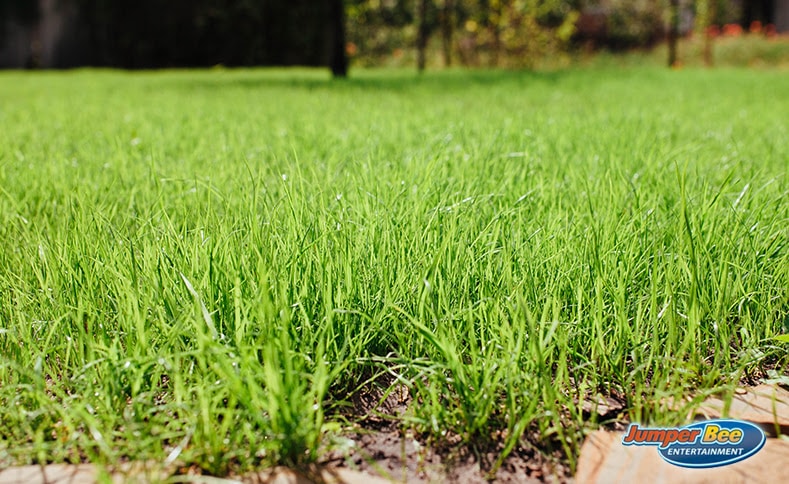
The type of grass in your yard matters here. Fine-bladed grass is a bit more forgiving than the coarse varieties that will bounce right back up after a fresh mow. If your yard has more of that coarse kind, a quick second pass with the mower right before setup can go a long way toward a better freeze.
Grass is a pretty workable surface for a backyard rink. A bit of prep work first is usually all it takes to get ahead of the most common problems. Once the water actually freezes over, what’s underneath it stops mattering all that much anyway.
Bare Dirt Takes a Little Extra Work
Bare dirt is a workable surface, though it does bring a few extra challenges that grass doesn’t have.
Dirt holds onto heat way longer than most surfaces do, which means your rink will take more time to freeze all the way through - and on warmer days, the ice won’t hold together nearly as long either. A base layer underneath your liner is the best way to manage this, and it makes a noticeably bigger difference on dirt than it does on just about any other surface.
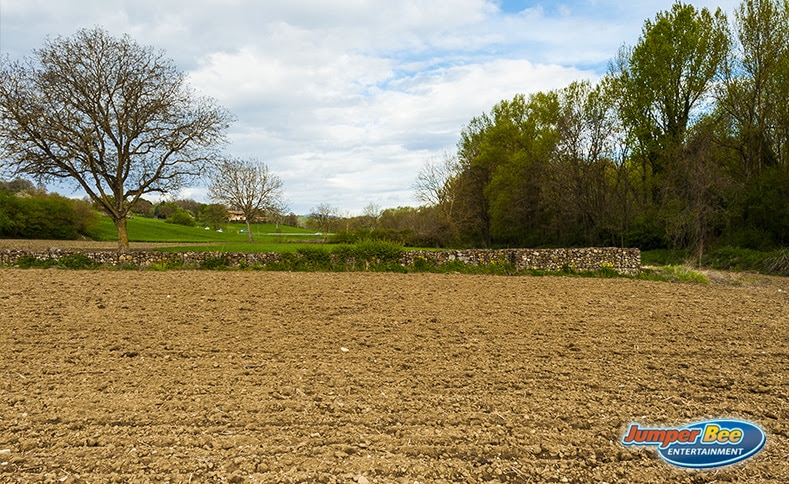
Before any of that, the ground itself deserves a look. Rocks, roots and buried debris like to hide just below the surface where you can’t see them - and any one of them can push right through your liner once the weight of the water starts pressing down on it. Walk the area slowly and press your foot into the soil as you go, and check anything that feels hard underneath. Dig out any rock or root that you find - or at the very least pack some extra material around it to create a flat and even layer over it.
Level ground matters just as much as clean ground. Any low areas in your yard will pool water unevenly, and it’s going to make it very hard to get a flat sheet of ice. A rake and a little extra soil can fix most problem areas before you ever lay anything down.
One more point to keep in mind - dirt doesn’t have a root structure the way that grass does, so there’s not much holding it all together. Once the rink fills up with water, the ground underneath can settle or move a little, so check the surface again after the fill is done.
Pick the Right Liner and Base Layer
The protective layers have to go down before a single drop of water touches anything. Homeowners want to skip right past this part (admittedly, it’s the least fun step of the whole process), and it’s a mistake I’ve seen cost them every season.
Of the layers, the polyethylene liner is the one that carries the most responsibility. At a minimum, you want it to be six to eight mils thick because anything lighter than that will be quite a bit more likely to puncture from rocks, roots and whatever rough patches are hiding underneath. A decent liner also acts as a barrier between the ground and your ice - without one, dirt and debris work their way into the water and turn a clean skating surface into something cloudy and gritty pretty fast.
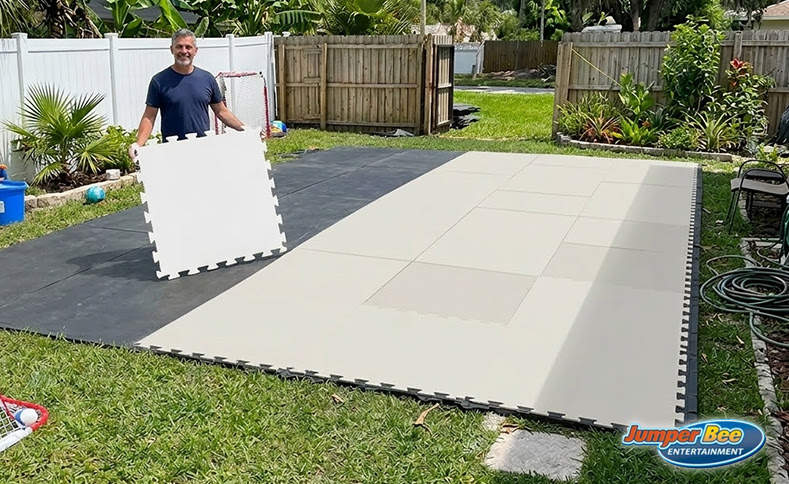
Underneath the liner, you have a few options to work with. Foam boards are a common choice - they add a little insulation and do a decent job of smoothing out any small bumps or uneven patches in the ground. Plywood sheets are another option - they’re a great choice if you want something firmer and level under there. And even a basic layer of plastic sheeting matters - it cuts down on friction and gives the liner a smooth and clean surface to sit against.
All this prep work does pay off, and the best proof is what a rink looks like if you skip it. A liner that sits directly on rough or uneven ground is under steady pressure from that water weight above it, and over time, small weak points will eventually turn into leaks. Leaks mean lost water, lost ice and a whole lot of frustration. A level base that’s put down before the first fill is what separates a rink that holds up all season from one that starts falling apart after the first hard freeze - and it’s the step that gets skipped the most by far.
Cold Nights Matter More Than the Surface
With the ground prepped and your liner in place, the temperature is the next big factor to get right. One cold night on its own is not going to be enough.
Grass and dirt usually freeze a bit slower than concrete, though the difference between them is actually pretty small. What drives the freeze is how cold the temperatures stay over a few days and nights in a row. Overnight lows are going to matter far more than the thermometer reads at noon, so it’s worth a look at your extended forecast to lock in a fill date. A warm afternoon can be misleading. The hours between midnight and dawn are what make or break your ice - it’s the difference between a firm rink and a half-frozen mess.
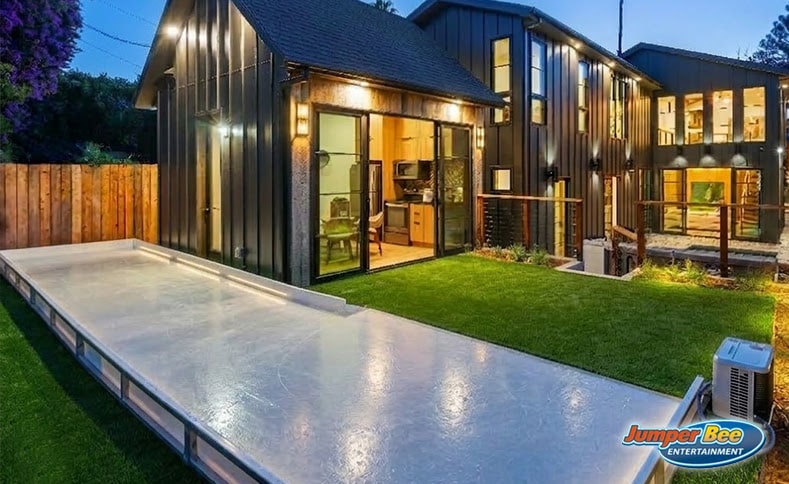
Your local climate matters quite a bit here. Living somewhere that stays well below freezing for weeks at a time puts you in great shape. A more unpredictable winter (where temps swing above and below freezing every few days) is where it gets a bit tough, and the ice can turn soft and uneven pretty fast.
One of the most worthwhile steps that you can take before anything else is to look back at the past winters in your area and get a sense of what to expect. A steady stretch of 10 to 14 days with overnight lows in the mid-20s or colder is a decent target to work toward. The issue is that warmer spells in between can undo the progress that you’ve made, and after all that prep work, that’s about as frustrating as it gets. Patience and the right timing do matter at this stage - it’s the part of the whole process where the weather is in charge (not you).
Look for Hidden Hazards Below the Ground
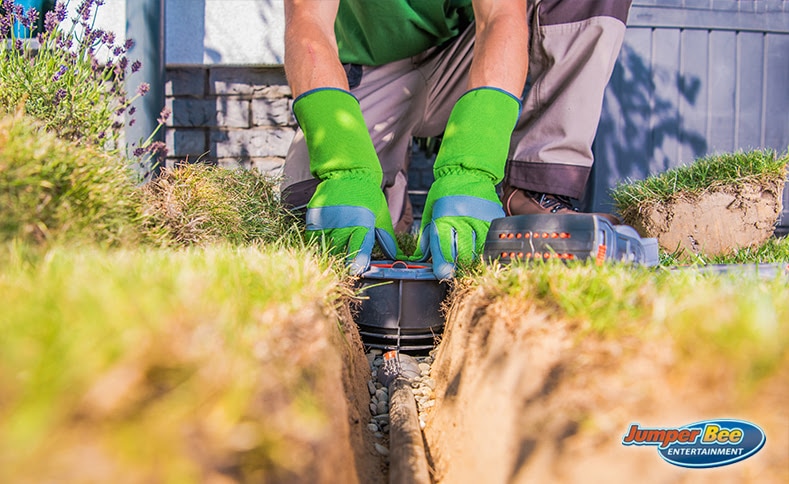
An open yard can still have buried pipes, drainage lines or a septic system running right underneath it. A rink loaded up with ice carries weight, and all that pressure goes straight down into the ground, which means anything that sits too close to the surface below it could get damaged.
Frost heaving is also something to keep on your radar. It’s when moisture gets trapped beneath the surface, freezes and then expands - which pushes the ground upward in all kinds of uneven areas and patches. A yard that was flat all autumn can heave and buckle once the ground around your rink starts to freeze - and the whole rink surface will move right along with it.
It also pays to watch how your yard drains after a heavy rain. Any places where the water tends to pool up or barely move at all are not great areas to build a rink. With nowhere for that moisture to go, it’ll just freeze right in place once temperatures fall - and at that point, you already have a problem before the rink is even built.
Water flow can tell you quite a bit about what’s going on a few inches underground. After the next rainstorm, take a walk around your yard - it’ll give you a much better read on your space than you’d get from the porch. See where water collects and sits, and where it drains away fast. Those patterns are going to matter quite a bit when you choose the right place.
The ground underneath your rink deserves just as much attention as the ice above it. Plenty of open space doesn’t mean that the yard won’t give you problems once the ground starts to freeze. What’s going on below the frost line is what actually determines how a build like that goes.
Make Your Party Unforgettable
Your yard doesn’t have to be in perfect shape for this to work. What you actually need is a little patience and the willingness to take care of a few tasks in the right order - and those two alone will take you pretty far. A project like this gets pretty workable once you know the steps. Grass or dirt and flat or slightly uneven - none of it’s a dealbreaker if you work through it with a bit of care. Your surface is your starting point, and it doesn’t decide whether your rink will come together the way that you’re hoping.
The prep work usually doesn’t take long. A few minor adjustments to the ground and the right liner matter in how your rink holds up through the season. Even slightly uneven spots can be worked around if you know what to look for ahead of time. The more familiar you get with your yard’s natural layout, the easier it can become to plan around it instead of fighting it.
If a winter ice rink has you thinking a little bigger about your backyard this season, we have a few more ideas worth looking at. At Jumper Bee, we’re the number one party rental company in the greater Dallas-Fort Worth area, with everything from water slides and inflatable bounce houses to arcade games and carnival attractions. You can get a free quote with just a message, and we’d love to help make your next event something that guests talk about long after it’s over.
Leave a comment
Be the first to share your thoughts.