
 By James Parsons
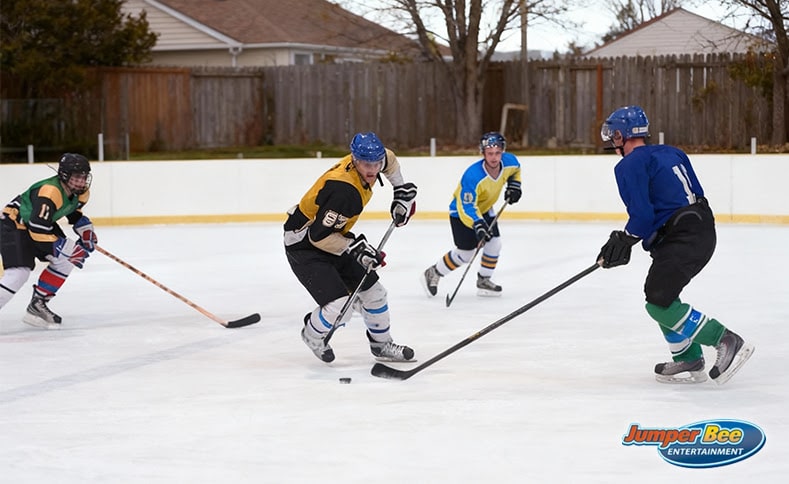
Texas families who love hockey or ice skating run into a challenge if they want to put together a place for them to skate at home. The heat and humidity in the state make it pretty tough for anyone who wants to take care of a backyard rink. Summer temperatures hit triple digits a lot, and even during the winter, days can reach 70 degrees F. For most families, a backyard rink seems to be out of reach in this climate.
Ice facility visits add up fast when the kids need a lot of practice time, and parents always ask themselves if there’s a workable way to make this work at home. Astronomical energy bills and tough installations that could violate HOA guidelines aren’t very attractive either.
A few different strategies work for Texas backyards, and each one has its own trade-offs between cost and performance. Some families wait for short cold snaps and flood temporary rinks when the temperature drops. Others go with synthetic surfaces that work all year without needing any electricity. And if you’re all in on it, you can install a full refrigerated system (even if the cost runs a bit higher). The right choice depends on your budget, how much space you have and how much you want to be skating!
Here’s how you can create your own backyard ice rink in Texas!
Why Ice Rinks Fail in Texas
Real ice doesn’t stand much chance outdoors in Texas. Winter temperatures across most of the state stay well above freezing, and this creates all sorts of problems for anyone who wants to build a backyard rink. Houston sits between 50 and 60 degrees all winter long. Dallas gets a bit colder than that. But even there, you’re usually looking at temperatures in the mid-40s to low 50s. Even up in the panhandle, the cold never sticks around long enough to make it work.
Humidity makes the whole situation way worse. The moisture in the air (especially in coastal areas) makes it hard to keep the ice from melting. Heat and humidity together will destroy your frozen surface much faster than heat alone. Outdoor rinks need temperatures at or below 32 degrees all day and night to keep a solid skating surface. Texas weather just doesn’t support those conditions.
Up in Minnesota, you can flood your backyard and just let nature do the rest. The temperature stays well below freezing for months at a time up there. Down here in Texas, we don’t get to work with those kinds of conditions. You’ll be working against the weather every day if you want to create ice in Texas.
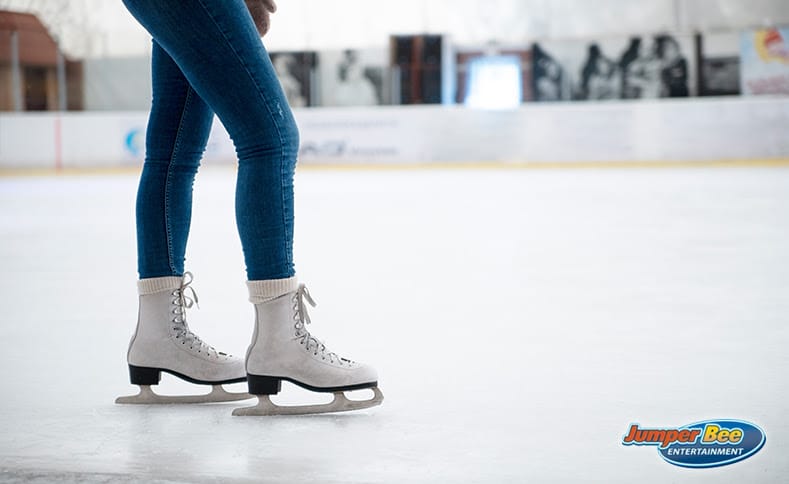
Energy costs show you why it’s such a big problem for rink operators. You need a refrigeration system that’s strong enough to freeze water and keep it frozen when it’s 70 or 80 degrees outside, and it takes a massive amount of electricity. During a mild winter day around 65 degrees, your system has to run constantly just to stop the surface from turning into a puddle. Plenty of winter days in Texas will reach up into the 70s or the 80s.
Once summer rolls around, this whole challenge gets ridiculous. When temperatures climb up into the 90s or higher, you’d need heavy-duty industrial cooling equipment just to keep your ice from melting away completely. It’s also pretty hard to justify the environmental cost of running all that refrigeration around the clock. At that point, you’re air conditioning your entire backyard as every neighbor around you is sweating through the brutal summer heat.
Synthetic Ice Panels Are the Year-Round Solution
Texas heat makes it almost impossible for natural ice to stay frozen outside when the weather cools down. For a backyard rink, you only have two real options. One is to buy a full refrigeration system that creates and keeps real ice. But it’s expensive and fairly involved. Otherwise, you can skip the freezing process altogether and just use synthetic ice instead.
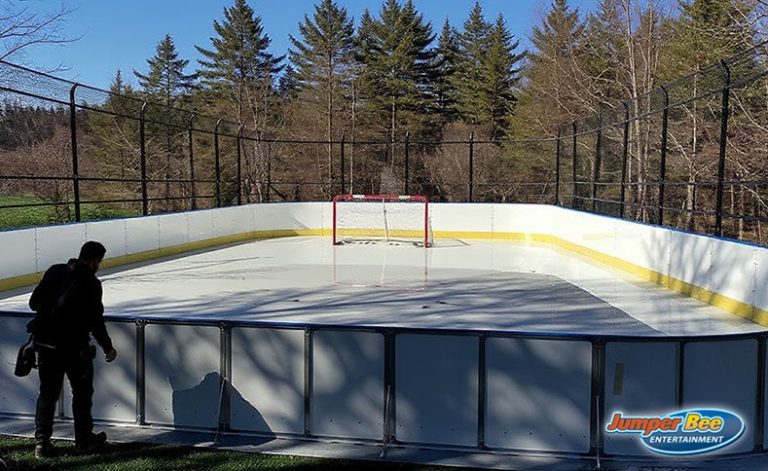
Synthetic ice is made from polymer plastic panels that lock together like connecting pieces. You skate on them, and the blades glide across the surface. It feels remarkably close to real ice. You can set these panels up on just about any flat surface in your backyard, and they don’t need water, electricity or any cooling system to work the way that they should.
A synthetic rink is one of the easier backyard projects you can take on as a homeowner. Installation takes you just a few hours with basic tools and maybe with one extra set of hands to help. The panels snap and lock together to make a smooth skating surface that stays ready all year round. You don’t need to wait for cold weather to arrive, and the morning sun won’t melt everything that you built the night before.
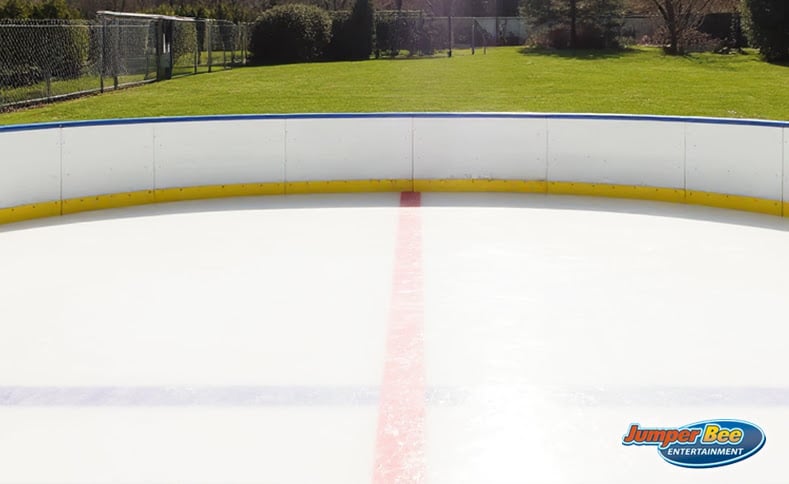
Quality synthetic ice panels are going to cost you between $10 and $25 per square foot. A small backyard rink will probably run you a few thousand dollars for the full setup. What helps offset the cost is that it’s a one-time investment, and the panels themselves will last for years as long as you take care of them well.
Synthetic ice needs some maintenance so it skates the way that it should. Lubricate the surface every now and then so it stays fast and responsive. Most manufacturers include a spray with their panels, and it helps quite a bit. After each session, sweep or mop the surface to remove debris so everything stays clean.
NHL players actually train on synthetic ice during the off-season to stay sharp when they can’t get to a real rink. The skating feel has about 10 to 15% more resistance compared to real ice, so your legs will have to work harder with each stride. Quality synthetic panels won’t damage your normal ice skates at all. Your blades will dull a bit faster than they would on real ice. But it’s not something to stress about.
Natural Ice Rinks for Texas Backyards
Texas winters can get cold enough to freeze water in the northern parts of the state. Living in one of these areas means you might be able to make your own backyard ice rink. The timing has to be just right, though - you’re looking at maybe 2 to 3 months at most where overnight temperatures drop low enough so the ice stays frozen. Cities like Dallas and Amarillo usually work best for this type of project because they get freezing nights with enough regularity to hold the ice.
To get ice you can skate on, the water should be below 28 degrees for at least a few hours at a time. Once it freezes all the way through, you’ll need to check the thickness every day before anyone steps on it. A warm front can roll through without much warning and melt away your surface pretty fast.
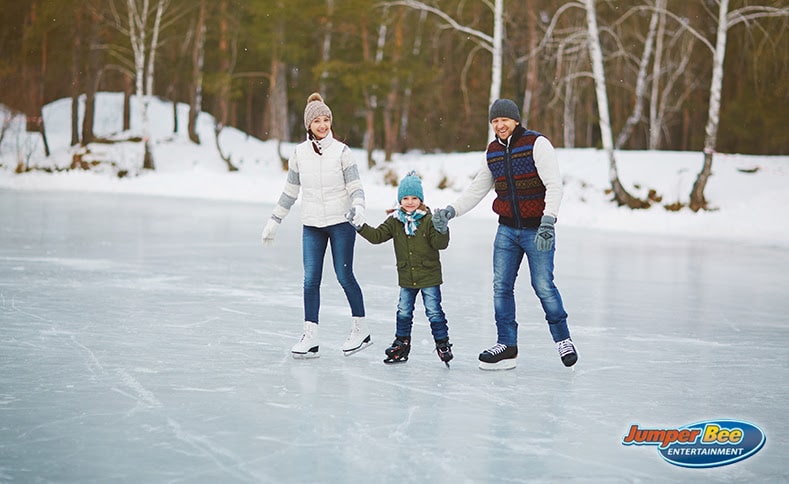
These temporary rinks take a bit of planning to put together. A quality liner matters quite a bit - it needs to take care of the freeze and thaw cycles without cracking apart on you. Where you place it is important too. You want as much shade as possible during the day to protect your ice. Trees or buildings that block the afternoon sun are going to make your ice last a whole lot longer between the freezes.
White liners are a better choice than dark ones because they bounce the heat back instead of absorbing it into the surface. This detail can make the difference between ice that lasts through a sunny afternoon and a cooler full of slush by dinnertime. Maintenance is also something to plan for - you’ll need to brush off the snow and check for weak patches every few days.
Natural ice rinks in Texas are pretty unpredictable, though. A single warm spell in January can shut your rink down for days or weeks at a time. For families who want to try backyard skating without a big investment, it’s a way to test out the idea during those short cold snaps we get.
What You Pay for Refrigerated Ice Systems
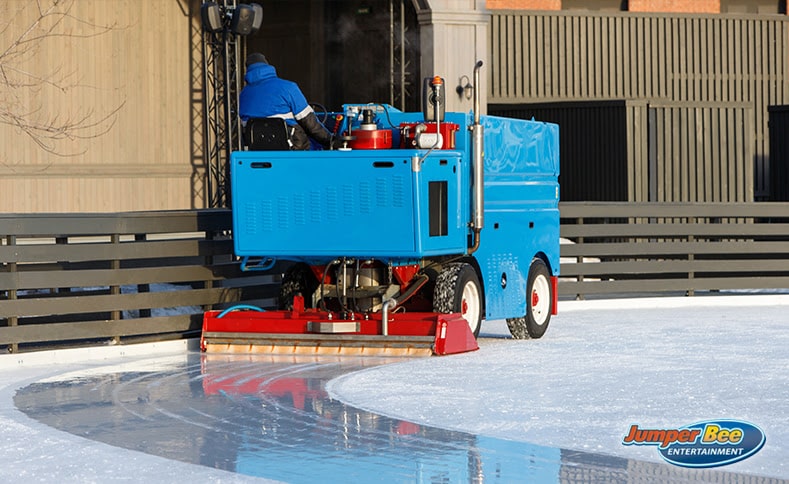
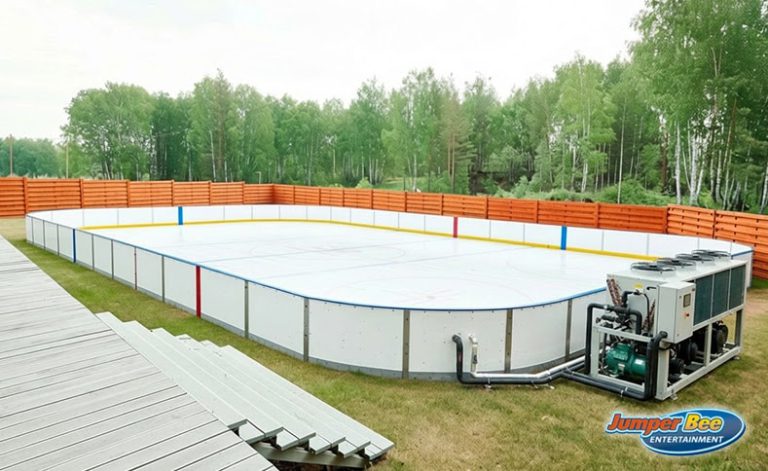
A refrigerated ice rink system is going to be the most expensive option for your backyard rink. Just the equipment will run you anywhere from $15,000 to $50,000, and that’s before installation even starts. All that money buys you mainly the chillers and coolant loops that can make sure your ice stays frozen all year, regardless of what the weather does.
The system operates on a fairly simple principle - refrigerated coolant runs through a network of pipes installed just beneath the rink surface. Most home installations use the same commercial-grade equipment that indoor skating rinks use, just scaled down for residential applications. Heavy-duty insulation underneath is also something that you have to have. Without it, the Texas heat fights your cooling system day and night and will make your energy costs way higher than they need to be. Most installations are going to need electrical upgrades just to take care of the power load. Monthly energy bills can climb past $2,000 pretty fast during the summer when your system has to work harder to make sure that the ice stays frozen.
Check with your homeowners association before you install something permanent like this if you’re part of one. Plenty of neighborhoods have restrictions on structures or equipment that could affect property lines or shared spaces, and most cities need approval from the building department, so look into local permits as well. It’s not the most fun part. But it’ll save you plenty of problems down the line.
Even with all these costs, plenty of skaters still go in this direction. Having ice ready whenever you need it - rain, snow or sunshine, none of it matters, and the season doesn’t either. Families with dedicated hockey players or committed figure skaters usually find that the convenience makes up for the price tag. These systems can also last for years and years if you stay on top of regular maintenance.
Seasonal Rink Kits for Your Yard
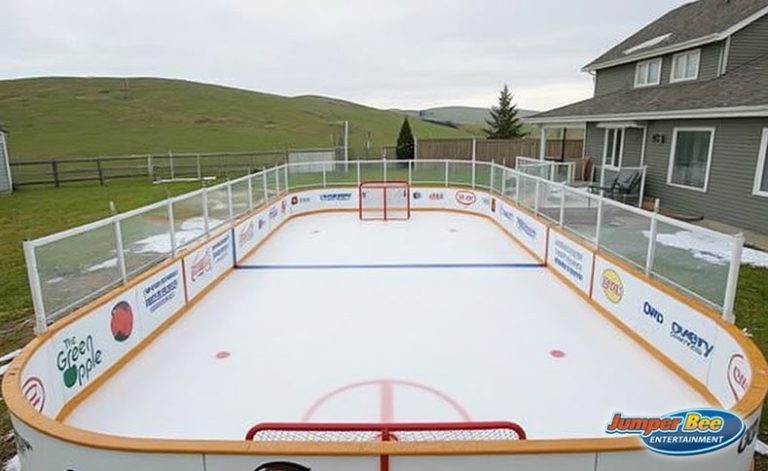
Portable rink kits hit the right balance if you don’t want to spend a fortune on refrigeration and don’t want the headache of building something from random parts and hoping that it works. Most kits have bracket systems and heavy-duty liners that fit together pretty fast, and you can have everything ready in a few hours with help from a friend or two. What makes them worth the money is the flexibility - you can set them up when winter weather arrives, then take everything apart and store it away when temperatures warm up again.
Most kits will run you between $500 and $3,000, and the price depends on how big you want your rink to be. The brackets hold your frame together, and the liner holds the water in after you fill it up. Assembly takes around 2 to 4 hours if you have at least one or two others helping you. Pick a fairly flat area in your yard to get started, because even a small slope will change how the water sits and can throw off your ice quality.
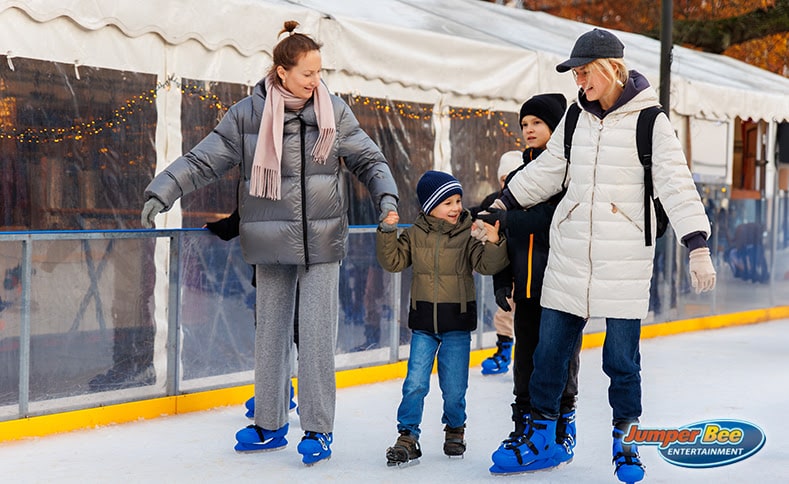
These kits are a great option for families who want to make the most of short cold snaps without committing to a permanent structure that takes up yard space all year long. Everything breaks down into manageable pieces, so you can store it all in your garage or shed once the weather warms up. A lot of manufacturers have started building them for multi-season use, and it turns out to be a much bigger selling point on paper.
This setup works especially well in places like Texas, where your ice skating season might only last for a couple of weeks at most. The same frame and boards that hold your ice rink together in January can be converted to support a roller hockey surface or synthetic ball hockey setup once spring arrives. What you get is year-round use out of the same footprint in your backyard, and it makes it a solid return on your investment. You just need to swap out the liner for a harder surface material, and the whole structure will keep working even after you can’t keep the ice anymore.
Shared Rinks for the Whole Community
Texas families have figured out some pretty clever ways to share the cost and the fun of ice rinks without needing to give up their entire backyard for one. A few neighborhoods now pool their money together to install synthetic rinks in common areas. It’s a clever strategy because multiple families can split the costs, and the kids in the area get a dedicated place to skate right in their own community.
Ice rinks have become much easier to find across Texas over the past couple of decades. The Dallas Stars won the Stanley Cup back in 1999, and it kicked off a wave of new ice rinks throughout the state. Their recent playoff runs have done a great job of keeping the momentum going. Most big cities have ice rinks, and you’ll even find them in quite a few smaller towns across Texas.
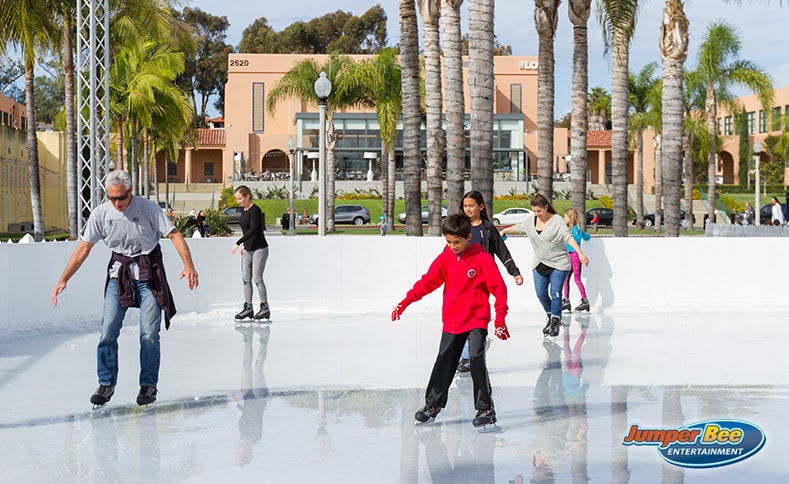
Many Texas ice rinks have family memberships that run between $300 and $500 per month. This price tag can seem high when you’re looking at your options. Compare it to building and maintaining your own backyard rink, though, and the membership option makes much more financial sense for most families. These memberships include access to organized hockey programs and figure skating lessons. Recreation center programs have also stepped up their ice programs over the years. Families can skate without worrying about the installation costs or regular maintenance problems. All it takes is showing up whenever it works for your schedule.
The social side is actually worth some thought. Neighborhood rinks and rec center memberships let your kids skate with their friends and neighbors all winter long. They learn from one another and build friendships around the sport. A backyard rink gives your family total control - you get the private ice time whenever you want to use it. The downside is that you’ll lose the community feel that makes the shared rinks worth it.
Make Your Party Unforgettable
Even though we live in a warm climate, ice sports are becoming more popular across the state. Families want to bring skating into the home, and they’ve found creative ways to make it happen. Every household does it differently based on what they care about most. High-tech refrigeration systems work well for families who want the ice and can afford a permanent setup.
Synthetic ice makes more sense if you need year-round access without lots of equipment or high electricity bills. No option is the right fit for everyone, and each one involves a compromise on either the cost, the space or the experience.
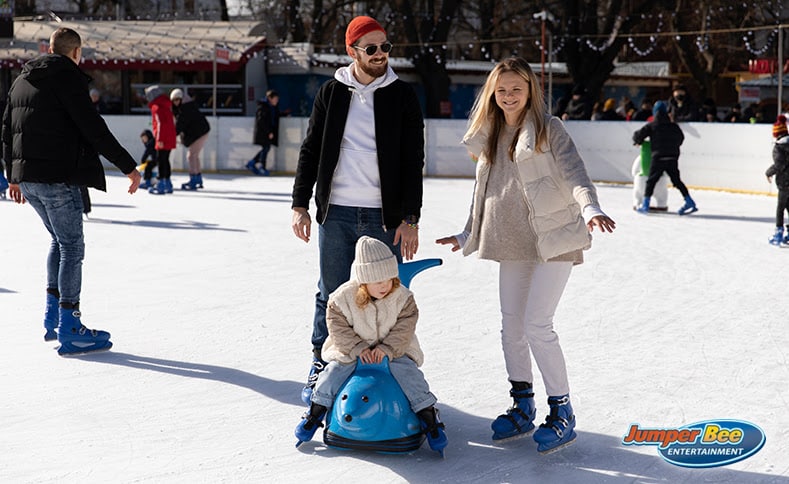
When it comes to the backyard experiences that families love, that’s what we do best at Jumper Bee. We take care of party rentals all across the greater Dallas-Fort Worth area! Water slides, arcade games, bounce houses, carnival games - we have all kinds of fun options for just about any age group.
Give us a call for a free quote, and we’ll help you plan your next big event. A birthday party, a neighborhood get-together or maybe just a really fun weekend with your kids - we have the gear and the experience to make it happen.
Leave a comment
Be the first to share your thoughts.