
 By James Parsons
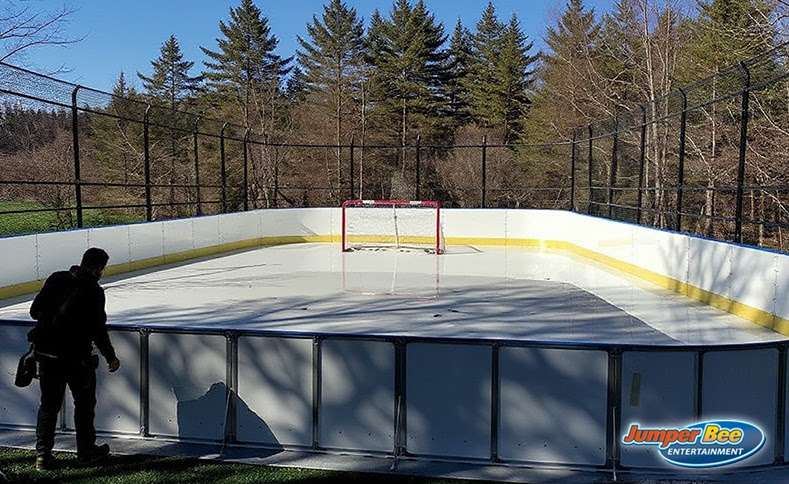
The conflicting information about installation timelines for synthetic ice rinks is enough to make anyone’s head spin. One company swears they can have you skating tomorrow, and the next one tells you it’ll be weeks before anything happens. These different answers actually make perfect sense once you know what goes into a synthetic ice rink installation in the DFW area, because each property and location has its own laws.
The panel assembly is the quickest part of the whole process. Most residential and commercial installations only need 1 to 3 days for the panels themselves to go together. That timeline sounds great until you find out that panel assembly is one part of a much bigger picture. Site preparation is where the process gets a bit more complicated. That usually means you’ll work with our notorious clay soil in North Texas. You’ll need to have a level foundation that won’t move around when the ground moves, and that foundation usually takes 1 to 2 weeks of work before any panels can even be delivered.
Municipal permits add another variable to the equation that property owners usually forget about. Dallas might give you the green light right away. But Richardson could have you waiting for a month just for the paperwork to go through. Every city has its own process, and some are much faster than others.
The smartest move is to work backwards from your target date when you want your rink ready. Memorial Day skating plans mean you’ll need to submit permit applications and start site preparation by early April at the latest. That way, when your panels arrive, everything else is already done, and you won’t have expensive equipment sitting in boxes as you scramble to finish the foundation work or wait for the city approvals.
Here’s the timeline so you can plan your rink installation just right!
How Long Does Your Installation Take
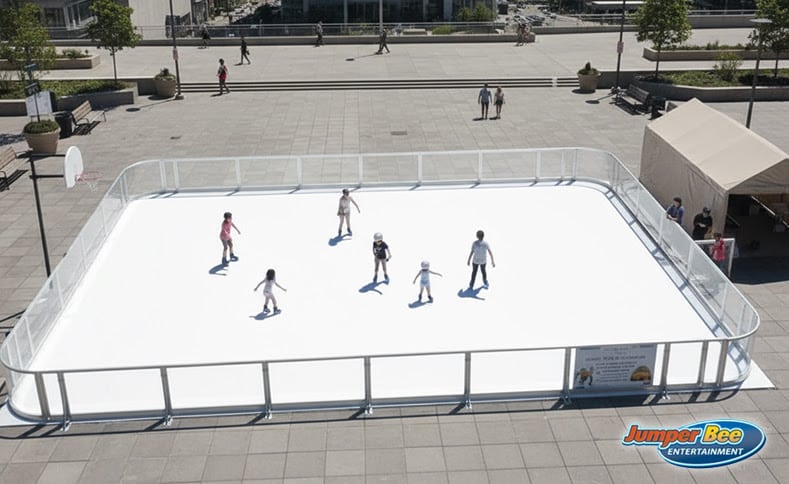
The time it takes to install a synthetic ice rink varies based on the size of the space you’re working with. Most residential rinks run about 500 square feet, and installation crews can usually get them completely finished in a single day. For bigger commercial spaces that are around 2,000 square feet or more, the whole process usually takes about 3 days from start to finish and includes all the final touches and adjustments.
Synthetic rinks come together very fast because they use these modular panels that fit together like oversized tiles. Each panel locks right into the next one, and the whole system just clicks into place. Traditional refrigerated rinks are a very different story - they need extensive piping, electrical work, and cooling systems that usually take a few weeks to install correctly. Synthetic ice has taken off throughout the DFW area, and the quick installation time is one of the biggest reasons why.
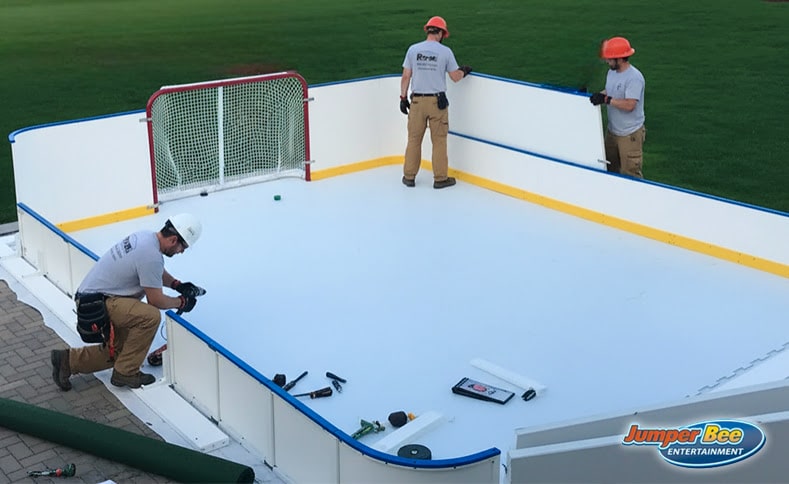
Professional installation crews who do this all the time can put together around 100 square feet per hour once they get into their working rhythm. The entire process moves along pretty fast with multiple experienced crew members all working together efficiently. The best comparison would be watching pros lay large-format floor tiles in a home, except that these particular tiles interlock to create one continuous skating surface without any visible seams.
Plenty of families in upscale neighborhoods like Highland Park have found out that they can add a backyard rink right before spring break without much advance planning. They’ll call for a quote on Monday morning, and their kids are already skating by Friday afternoon. That quick turnaround makes it very convenient for last-minute decisions or if you want to have everything ready for a weekend event.
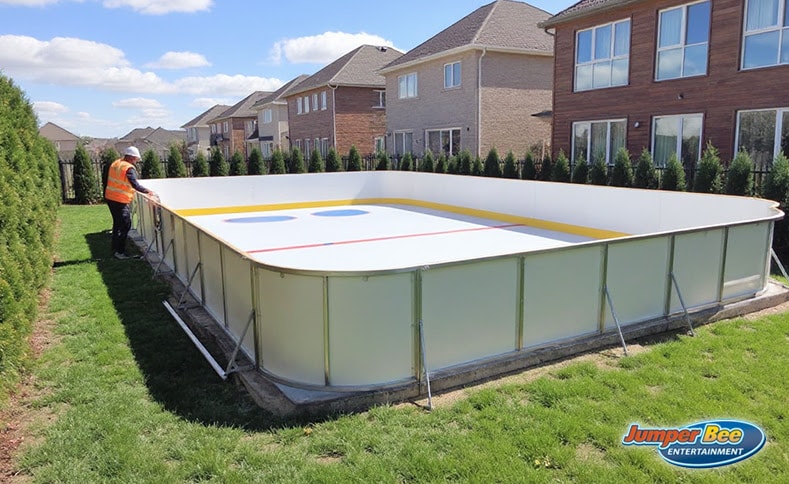
The assembly process itself is actually simple enough that lots of homeowners feel comfortable jumping in to help the crew. Each panel weighs roughly 30 pounds and has edges that are made to interlock and snap right into place. After the first few panels are connected, the rest of the installation follows the exact same pattern all the way across the surface until the entire rink is finished.
Prepare Your Foundation Before the Build
The assembly part might only take you a few hours to finish. The time investment comes from all the prep work you need before you can start to get your space ready. North Texas has this particular type of black clay soil that can be very hard to work with. The soil swells up quite a bit when it gets wet, and then it shrinks back down and develops cracks when it dries out. This movement in the ground creates the bumps and dips that will make your rink surface uneven if you don’t take the time to get the area ready properly first.
You’ll usually find that you need somewhere between 1 and 2 weeks just to create a level base for your rink. The 2 main options are to pour a concrete pad or to install a subflooring system that’s strong enough to support that weight. Both options work well for hockey rinks, and each one takes time if you want to make it right.
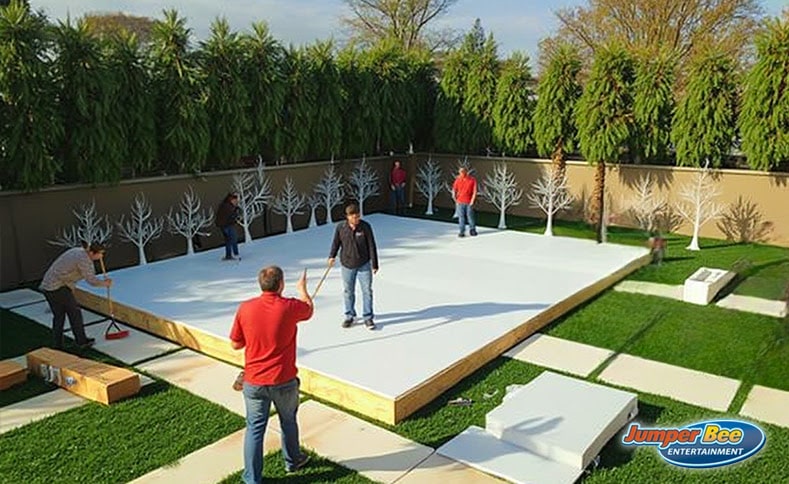
Water drainage is another big consideration for anyone in the DFW area. The rainstorms we get here can be very intense and will sometimes dump a few inches of rain in just a couple of hours. Any water that pools underneath your rink panels will make them buckle and warp once those summer temperatures start to climb. Local building codes already need proper drainage away from structures anyway, so you’ll need to factor this into your planning from the start.
Indoor conversions are usually quite a bit faster to set up than outdoor installations. Homeowners in areas like Southlake and Prosper convert their barns or garages into hockey spaces, and these already have a roof overhead and usually a concrete floor too. You’ll still want to verify that the floor is actually level, and you might need to add some moisture barriers as well. At least with an indoor setup, you can completely skip that problematic clay soil situation.
Most professional installers recommend that you schedule your site preparation work sometime between July and September. You’re much less likely to run into rain delays or have to work with soggy ground conditions since these months are usually the driest period of the year for us here.
How We Put the Panels Together
The panels themselves are fairly heavy (we’re talking about 50 to 80 pounds each), so having a friend or 2 around to help move them into position makes the process go much smoother. These synthetic ice panels have either interlocking edges or tongue-and-groove connections, and when they lock into place, you hear that satisfying snap that tells you they’re ready to go.
The time difference between synthetic and refrigerated systems is almost hard to believe. Traditional ice rinks with all their refrigeration equipment can take weeks to install and get running. With synthetic panels, most homeowners around the DFW area can have their crew show up in the morning and have their kids out there skating by dinner time. The whole process moves along pretty fast with the right team and materials.
Texas heat plays a part in how the installation gets scheduled, though. Experienced installation crews know to show up at dawn during our summer months because nobody wants to be hauling 80-pound panels around in 100-degree heat at 2 PM. Having a covered area or a garage space for your rink obviously makes the entire installation process a lot more comfortable for the crew and for you when helping out.
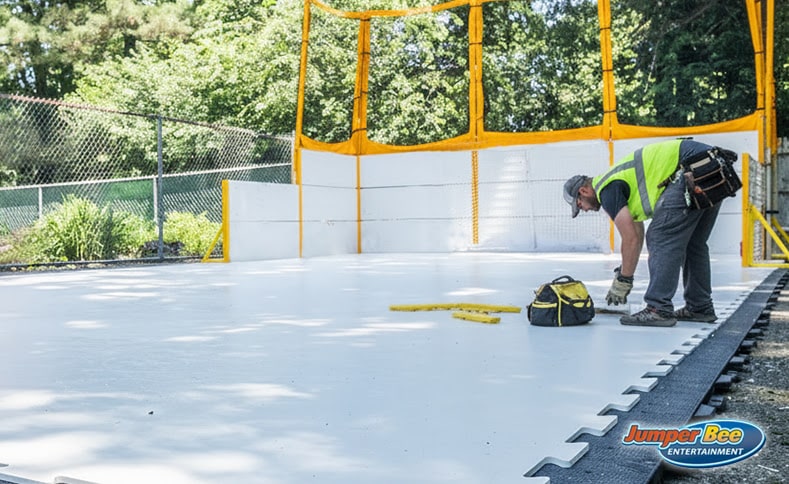
Perfect alignment between panels is very important for that smooth skating surface everyone wants. Professional installers bring laser levels and other precision tools to make sure each piece sits right where it needs to be - there’s no room for error when you create that smooth surface. Many homeowners believe that synthetic ice installation needs the same type of technical expertise that traditional refrigerated rinks need. But plenty of motivated homeowners actually help place panels themselves as the installation crew supervises and makes sure all the connections are done right and tight. The pros are there to guide the process and take care of any of the technical parts. But the physical installation itself is pretty simple.
The speed of change is something to see. An empty garage or backyard space in the morning turns into a completely functional ice rink by the afternoon, and there’s no waiting around for water to freeze, no complex refrigeration systems to troubleshoot, and no maintenance equipment to worry about. Everything just comes together piece by piece until you have a skating surface ready for action.
Learn The DFW Permit Process
The paperwork side of synthetic ice rink installation catches everyone completely unprepared. Tons of customers believe that they can just place an order on Monday and be skating by the weekend. But it’s actually a bit more involved than that.
Every city across the DFW area has its own building codes and permit laws, and none of them seem to agree with one another. Dallas might look at your rink plans and say that they count as recreational equipment - no permits needed. 10 minutes later in Richardson, that exact same rink needs structural permits, and the approval takes 2-4 weeks minimum. The inconsistency between cities that are literally neighbors can get frustrating.
Frisco has actually done a decent job modernizing their permit process with a completely online system where applicants can submit all their documentation electronically from home. Fort Worth still makes you do in-person visits to their permit office with physical copies of all your paperwork. Each municipality has its own way of processing these applications.
For those who live in one of the master-planned communities throughout Collin County, there’s an extra bureaucratic layer to work through. Most HOA architectural review committees only convene once per month. Missing that particular meeting window means that you’re suddenly looking at another 4-week delay just to get your project onto their agenda - and that’s assuming they’ll approve your plans.
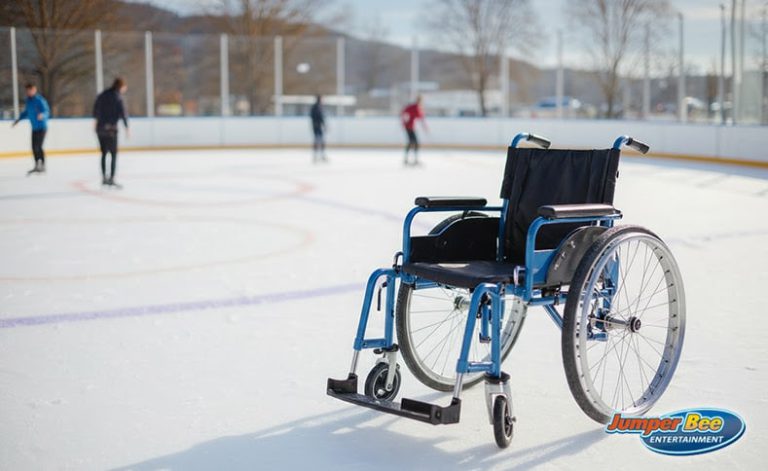
Commercial installations have considerably more regulatory red tape. Installing a rink in an entertainment district means that the fire marshal’s office will want to complete its own inspection. You’ll also need documentation that proves full compliance with ADA laws. Without the right preparation and knowledge of what each department specifically wants, the entire approval process can stretch into a few months.
Installers who know the local laws make a real difference. They can tell you if Plano officials are going to need professionally engineered drawings or if Arlington will be satisfied with the manufacturer’s standard specification sheets instead.
How Weather Affects Your Installation Timeline
The weather in North Texas actually has a much bigger effect on installation timing. Synthetic ice is great because once you have it installed, it works just fine all year long, regardless of the temperature outside. The catch is that the installation itself is a whole different ballgame, and it does depend on what the weather decides to throw at you that day.
The DFW winters are actually pretty ideal for this type of work. When the temperature sits somewhere between 50 and 60 degrees, installation crews can work all day long without any problems. January and February are some of the busiest months for installations around here for this reason.
August installations are a very different animal. When the thermometer hits 105 degrees by lunchtime, the crews hauling those heavy panels around face borderline dangerous conditions. The installation crews have learned to work around it, though - they’ll show up at dawn to get a few hours in and then come back once the sun starts going down. A job that would normally wrap up in a single day might take 2 days instead. But that’s a small price to pay for keeping everyone safe and staying away from heat exhaustion.
The spring weather in DFW is notoriously unpredictable, and the installation schedules have to be flexible because of it. March has a habit of bringing tornadoes with very little warning, and April thunderstorms can roll through and shut down outdoor areas within minutes. Once May arrives, though, the weather usually gets much more cooperative. The installers love May because they can finally count on decent conditions day after day, and their calendars fill up fast.
The holiday season has its own particular set of scheduling problems. Families want their rinks installed and ready to go before Thanksgiving visitors show up, or they’re planning a big Christmas morning reveal for the kids. Every installer in the area gets completely slammed from October through December. You’ll probably be out of luck unless you get on the schedule months in advance for a holiday installation.
Covered installation areas are worth their weight in gold for this reason. The weather just doesn’t matter anymore with a pole barn, pavilion, or any type of covered structure. Rain or sunshine, extreme heat or a sudden cold snap - the crew can work through everything. They show up on time, get the job done, and keep the installation right on schedule. No delays to worry about, no need to reschedule appointments, and zero weather-related problems.
Make Your Party Unforgettable
The panels themselves go in fast (usually 1-3 days max), but the full timeline from start to finish realistically runs about 3-6 weeks once you account for permits, site prep, and all the other small details that need attention. One big advantage we have here in Texas is that outdoor construction can happen 12 months a year without weather delays or frozen ground complications that plague installations in northern states.
For DFW families who love ice skating but don’t want to wait around for maybe 1 week of winter weather each year, synthetic ice makes perfect sense. The key to a smooth installation is to submit your permit applications right away as you simultaneously line up contractors for site preparation. These two processes can run in parallel to maintain the project schedule and prevent unnecessary downtime between phases.
Anyone who has a target date in mind (maybe a summer break kickoff party or a birthday celebration) needs to work backward from that date and allow at least 6 full weeks for the entire process. This gives you enough buffer time for any unexpected delays that might come up along the way.

After all the permits and the prep work and the installation, you get a synthetic ice surface that performs beautifully for decades with very little maintenance. The material holds up extremely well under Texas heat and gives you that authentic gliding feeling year after year. On any given October evening when the ice rinks across most of the country are still months away from opening, your family could be out in the backyard practicing crossovers or playing a pickup hockey game with the neighbors under the stars.
Your backyard synthetic ice rink will soon turn into the favorite hangout where all the neighborhood kids want to spend time. Of course, the best rink benefits from some extra entertainment options when you’re throwing a party or hosting a big celebration. Jumper Bee Entertainment brings the fun to families all across Dallas-Fort Worth with our many premium party rentals that take regular backyard parties and make them into something memorable! We have it all - massive water slides, old-school arcade games, bright and bouncy castles, and the classic carnival attractions everyone loves. Give us a call for your free quote, and we’ll help you put together a celebration that everyone will be talking about for months.

Leave a comment
Be the first to share your thoughts.