
 By James Parsons
This information matters because synthetic surfaces have become very common, and they show up everywhere from local community centers to professional training places. Families who want to build a backyard rink for their kids deserve to know what investment they’re making. League organizers who review possible rental spaces need to factor in the liability concerns as part of their choice. Athletes who split their time between natural ice and synthetic surfaces need reliable information about how performance and safety actually compare between the two.
Modern synthetic ice panels have come a long way from those old waxy surfaces you might remember from decades ago. The material that manufacturers use is called ultra-high-molecular-weight polyethylene, and it shares a lot more in common with medical-grade surgical implants than anything you’d find on a playground. Friction levels on these panels now sit within just 10 - 15% of natural ice, and the amount of wear on your blades has dropped quite a bit compared to older versions. Professional sports organizations wouldn’t put their multi-million-dollar athletes on questionable surfaces - and yet NHL teams have added synthetic ice to their regular training routines. With a bit of research, it’s pretty easy to separate legitimate safety concerns from outdated assumptions about technology that’s been refined and improved over quite a few years.
Let’s separate the myths from the reality so you can skate with confidence!
How Synthetic Ice Is Different From Real Ice
Synthetic ice surfaces are made from high-density polyethylene panels that snap and lock together almost like interlocking pieces. Most customers hear the word “plastic” and automatically think that it means something cheap or flimsy. But these panels are built to last. The material itself is extremely tough and specifically engineered to take the force and movement that comes with skate sessions.
The synthetic material has about 10 to 15% more resistance than natural ice does. Your blades won’t glide in quite the same way when you skate on it, and the extra friction changes how everything feels underneath you.
Synthetic ice technology has come a long way since the first panels came out in the 1960s. Those early versions had a waxy and sticky surface that made them feel more like a chore to skate on than like natural ice. Modern panels are manufactured with self-lubricating technology built directly into the material itself, and that’s actually a big improvement. You don’t need to apply spray-on treatments or coatings all of the time anymore, just to make the surface work.
The self-lubricating compounds get mixed right into the polyethylene when it is manufactured. When your blades move across the surface, these compounds will do their job automatically - you won’t have to apply anything extra or worry about maintenance. It’s changed synthetic ice from a frustrating substitute into a legitimate practice surface that actually performs.
Synthetic ice won’t feel just like natural ice. The difference in resistance is real, and you’re going to feel it in your muscles as you run through the same drills. That said, the extra effort works out in your favor. A lot of skaters choose synthetic surfaces when they train in the off-season, specifically because that added resistance builds up their strength and stamina over time. The best strategy is to go into it with the right mindset - synthetic ice has its own feel, and it’s not meant to be a perfect replica of natural ice.
The Truth About Synthetic Ice Safety
Blade wear is one of the biggest myths about synthetic ice, and I hear this concern again and again. Most skaters believe that a plastic surface will destroy their blades way faster than a traditional rink would. The concern makes sense if you think about it - you’re skating on polymer panels instead of frozen water, after all.
But the research on blade wear shows something different. Studies have found that synthetic ice dulls your edges at roughly the same rate as traditional ice does. You’re still going to need sharpening appointments on the same schedule that you’ve always kept.
Chemical safety is another question that comes up pretty regularly. Most panels are made from food-grade plastics - the same type of material that you’d find in kitchen cutting boards. These plastics are inert, and that means they won’t off-gas or release anything into the air around them. These products go through safety testing before they reach the market.
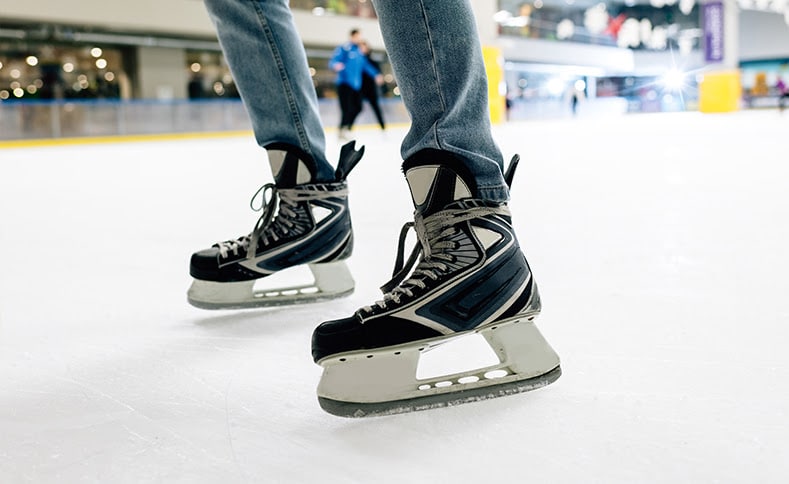
Stopping ability is another concern for anyone who’s thinking about synthetic ice. You can stop and turn without any big problems on synthetic surfaces. It does feel a bit different from ice because synthetic panels create slightly more resistance when you’re skating on them. Frozen water has almost zero friction and gives ice that smooth, perfect glide that we all love. Synthetic materials have a little bit more drag to them. But it’s not enough to stop you from making solid stops. After a practice session or two, you’ll feel pretty comfortable with the difference.
Many skaters believe that landing on hard plastic would hurt more than landing on traditional ice. But the two surfaces feel about the same in practice. Neither one has any cushioning or give - they’re hard, unforgiving surfaces. The protective gear that you’d wear at a traditional ice rink is the same gear you’ll need for synthetic ice.
These questions make sense when you’re new to synthetic ice. Questions are normal when you’re trying out a product that you haven’t used before. What’s great is that modern synthetic ice has come a long way in the last decade or so. The materials get better, the manufacturing gets better, and the performance gets better right along with them.
How Synthetic Ice Makes You Safer
Synthetic ice produces about 20 to 30% fewer injuries compared to traditional ice rinks, and this number comes from injury reports at the places that use the two surfaces. 20 to 30% might not sound like much of a difference on its own. Rinks serve thousands and thousands of skaters each year, though, so even a reduction like that works out to mean quite a few skaters don’t get injuries they otherwise would have had.
Friction and control are what matter for synthetic ice. There’s a bit more resistance compared to traditional ice, and this extra friction actually helps in a couple of important ways - it gives you better edge control when you’re moving around, and it keeps your top speed manageable so you don’t lose your balance as fast.
Insurance companies have been looking at the claims data from the places that use the two types of surfaces, and their findings line up closely with what the research has been showing. Places with synthetic surfaces usually see fewer high-speed crashes across the board. It’s a pretty logical connection - skaters aren’t able to build up quite as much speed on these surfaces, and it means the falls that do happen are usually less bad.
Some injuries are less common than others on synthetic surfaces. Concussions are less common because the lower speeds mean less force when a skater takes a fall. Knee injuries also go down mainly because the extra friction on the surface gets skaters to move with more care instead of attempting wild, high-speed maneuvers.
For the movement mechanics, the design works in favor of safety. A setup like this gets you to develop solid technique right from day one instead of just letting speed and momentum do most of the work. For anyone who skates casually or who’s still learning the basics, this could be the difference between a minor stumble and a legitimate trip to the emergency room.
Food Grade Materials for Your Safety
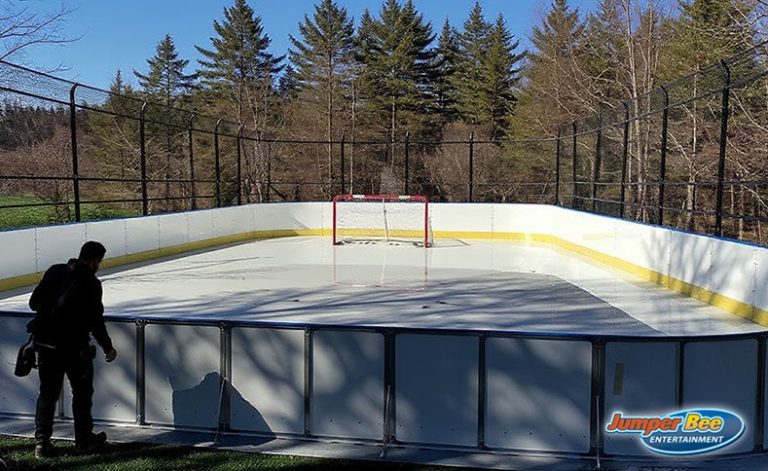
The panels that make up a synthetic ice rink are made from high-density polyethylene, and it’s the same material that you’ll find in common household items like milk jugs and food storage containers. The FDA has already approved this material for direct contact with food and drinks, and this should tell you quite a bit about how safe the material is.
The base material in these panels is safe and stable, so you don’t need to worry about harmful chemicals that might leach out or the material that might break down into something toxic over time. Most synthetic ice panels you’ll find have UV inhibitors built right into them, and this helps protect them from sun damage substantially. This matters because you can set them up outside, and they’re not going to fall apart or deteriorate on you. Even after a few years of exposure to rain, snow and direct sunlight, they’ll hold their quality and performance level without causing you much trouble.
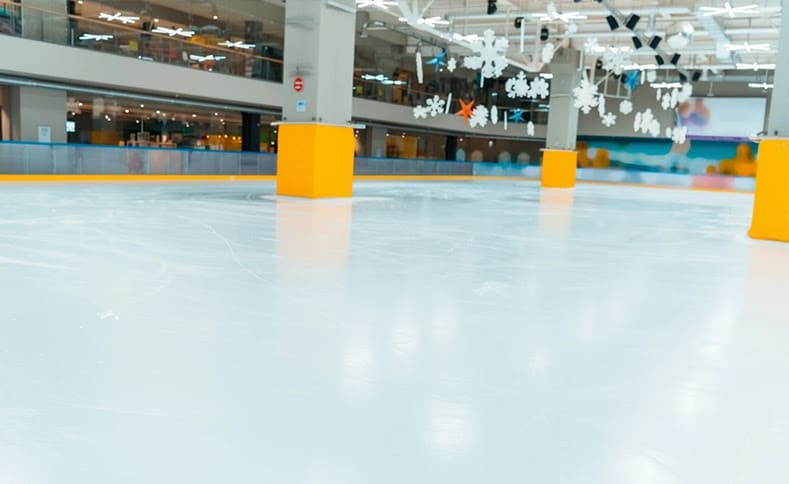
A quick look at the history helps to explain where these safety concerns come from. Back in the 1980s, the early synthetic surfaces on the market needed chemical sprays just to work the way they were supposed to and stay slippery enough for play. Those older products were very different from the modern options that we have today. Technology has come a long way over the last few decades.
Modern panels are actually self-lubricating right out of the box. The polyethylene material has a slippery quality and lets blades glide right across the surface without any other additions. Sprays aren’t needed, and coatings that might wear down over time or give off fumes aren’t necessary either - no chemical additives whatsoever.
Independent labs have tested these materials thoroughly, and the results back up what manufacturers claim about their safety. The panels hold up well even if you skate on them day after day - they won’t break down and shed microplastics all over the place. Air quality is another valid concern, and these panels don’t release harmful chemicals (VOCs) into the air around your rink. The plastic used in these panels is actually the same type that food storage containers are made from - the same safe, stable material that’s already sitting in your kitchen.
Poor Care Creates All the Hazards
Synthetic ice panels themselves are pretty safe when they’re in decent shape. Most of the safety problems come from rink owners who skip out on their maintenance and just let their surfaces wear down and deteriorate.
Debris is one of the main problems you’ll run into at a rink that doesn’t get the right maintenance. Dust, dirt and all kinds of small particles get into the textured surface over time, and once they’re embedded in there, they can make your blades skip or catch. A synthetic rink that sees plenty of use throughout the day needs a deep clean every 4 to 6 hours to keep it working the way it should. Real ice is different because a Zamboni can resurface it multiple times per day, and it makes maintenance much faster and easier. Synthetic ice doesn’t get that luxury, so you have to put in a lot more manual effort to make sure it stays just as safe and functional.
Panel seams are another safety issue as the floor gets older and the panels start to move around a bit. When two panels aren’t quite flush with one another anymore, your blade can catch on that raised edge and send you stumbling. Heavy foot traffic will wear down certain areas over time, and those worn patches just don’t feel the same under your blades as the rest of the floor does.
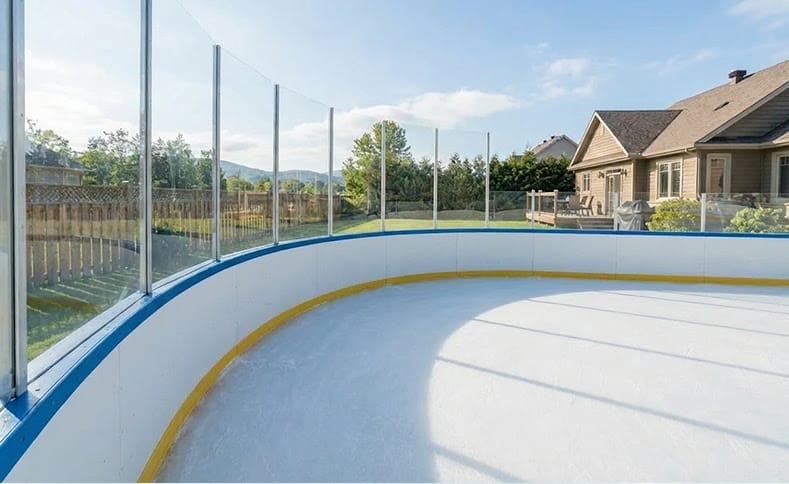
Staying on top of maintenance will take care of most of these problems. Rink operators should vacuum the surface pretty regularly to get rid of any debris before it can get ground into the material. Panel connections also have to be checked and tightened when they start to come loose or separate from one another. Many rinks will actually rotate their panels to different areas on the rink so the same areas don’t get beaten down from the skaters going over them in the exact same position every day.
Plenty of places will also resurface their synthetic ice from time to time. This helps to smooth out any rough patches that have developed from normal use and brings back that nice, smooth glide quality you’re looking for.
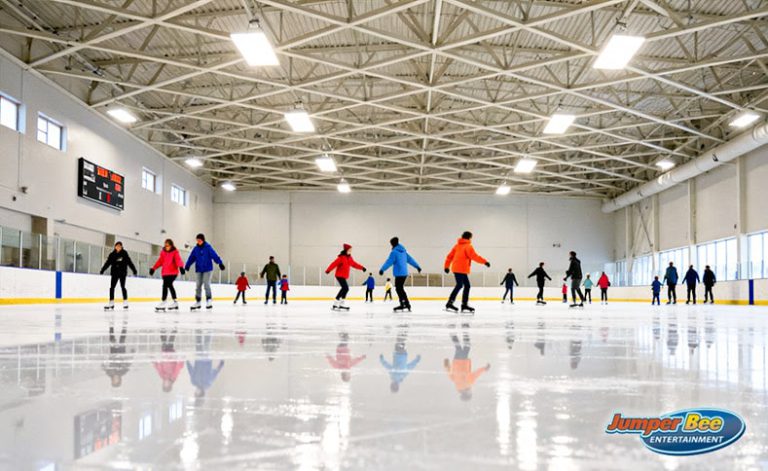
A synthetic rink that’s been maintained properly is actually pretty easy to recognize. The surface should look clean (not scuffed up or covered in debris), and all of the panels need to line up nicely and tightly against one another with no gaps showing between them.
How Pro Teams Use Synthetic Ice
Professional teams and Olympic training centers actually use synthetic ice as a part of their regular practice schedules. A few NHL teams have added these surfaces to their training centers for shooting drills and off-season conditioning work. We’re talking about athletes who have multi-million dollar contracts here, and literally every part of their training regimen has to be approved and covered by massive insurance policies.
They wouldn’t take that chance if synthetic ice was actually dangerous, and it’s all about liability. These surfaces have been looked over closely and approved by professional sports medicine teams and legal departments, and those groups aren’t going to stake their reputation (or millions of dollars in possible legal claims) on something that could hurt athletes.
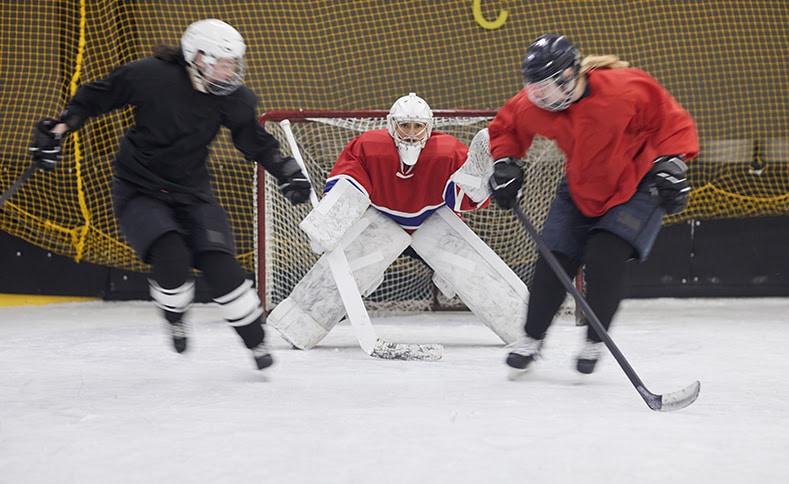
Jump training is actually one of the few situations where coaches usually lean toward synthetic ice over traditional ice. The reason has to do with the controlled friction on the surface - it doesn’t change, and means athletes can practice their jump technique over and over without worrying about variations in the ice. All that repetition builds up, and it happens with way less wear and tear on their joints compared to what they’d experience on the traditional ice. Skaters can drill their form as much as they need to, and their knees and ankles don’t pay nearly as high a price for it.
The manufacturing quality has improved a lot over the last couple of years. The polymer blends that started coming out in 2023 and 2024 managed to close the difference between synthetic and traditional ice to less than 5% for friction. Many skaters have a hard time telling which surface they’re on during the practice sessions. Every new version of synthetic ice that hits the market glides a little smoother than the last one, and that’s mostly because manufacturers continue to improve and refine their formulas to get as close to the traditional ice as possible.
Professional teams are now bringing in synthetic ice to train their top athletes, and this trend says something telling about where safety standards are in the industry. These organizations have the budget and access to book traditional ice rinks around the clock if they want to. When they pay for synthetic surfaces, it’s not because of flashy marketing hype - it’s because they’ve done the testing themselves and have solid performance data from training conditions.
Make Your Party Unforgettable
Synthetic ice technology has become much better over just the last few years. The panels you can get are well ahead of what was around even 2 or 3 years ago, and that means many more athletes can train for ice sports at home or at their local facility without having to settle for a surface that doesn’t perform well or isn’t safe to use. The materials are of better quality now, and manufacturers have also figured out much better ways to care for them and maintain them properly over time. Professional hockey teams have even started adding them as a part of their training programs, and this speaks to how far the technology has come. Modern synthetic ice gives you a training surface that actually holds up and performs like it should.

At Jumper Bee, we take the same strategy with party rentals across the Dallas-Fort Worth area. We have water slides, arcade games, inflatable bounce houses, carnival games and plenty more, and we’d be happy to give you a free quote so you can put together a party your guests won’t forget. Safety and fun need to work together, and that’s why we check and care for the equipment regularly. When the gear is in great shape, you can relax and focus on hosting instead of worrying about problems.
Leave a comment
Be the first to share your thoughts.