
 By James Parsons
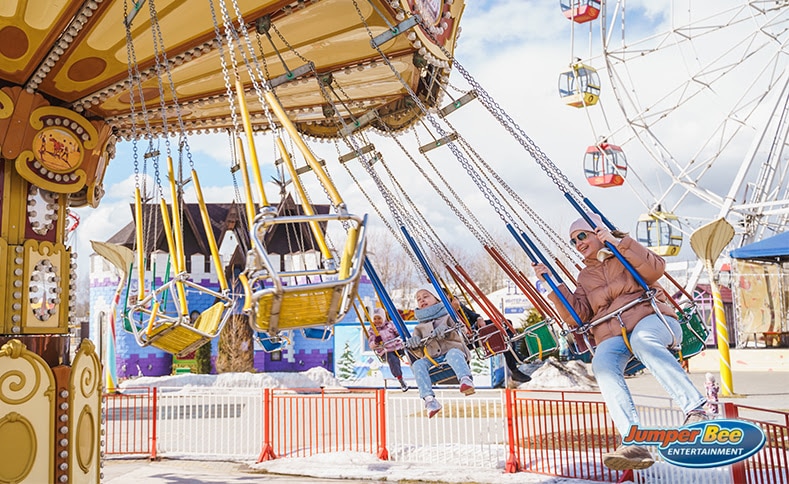
Families show up at Texas carnivals excited for the bright lights and a night full of fun memories. Every ride carries at least some chance that something could go wrong, and they accept that as part of the experience. When operators skip inspections or let regular maintenance slide for too long, what’s supposed to be a fun evening can turn dangerous pretty fast. Parents should ask questions about ride safety before their kids climb on board. Many of them just don’t know which questions to ask, though, or they worry that it might come across as rude or overstepping!
The Texas Department of Licensing and Regulation requires carnival operators to get annual inspections on every ride from trained inspectors. The inspectors go through and verify that the mechanics are in working order and the ride can run safely. If operators don’t stay on top of this requirement, they can face large penalties. Still, with these laws, Texas amusement parks recorded somewhere around 7,962 injuries between 2019 and 2023 alone. In 2008, a 15-year-old girl in Victoria lost her life when a part of a ride broke off from the equipment that hadn’t been inspected properly in over 2 years.
A few well-placed questions can help families stay away from preventable accidents at amusement parks. Any legitimate operator who has the right documentation and complies with the state requirements won’t have a problem answering basic safety questions - and they shouldn’t. It’ll help you verify that the rides actually meet Texas safety standards before you let your children on board.
Here are the questions that’ll help your family stay safe at carnivals!
Rules That Keep Texas Carnival Rides Safe
Texas law says that every carnival ride needs to pass an annual inspection before it can open to the public. The Texas Department of Licensing and Regulation is the agency that takes care of this, and they send out certified inspectors to look at each ride. These inspectors check everything (the mechanical parts, the safety systems and all of it) to make sure that each ride is actually safe to use.
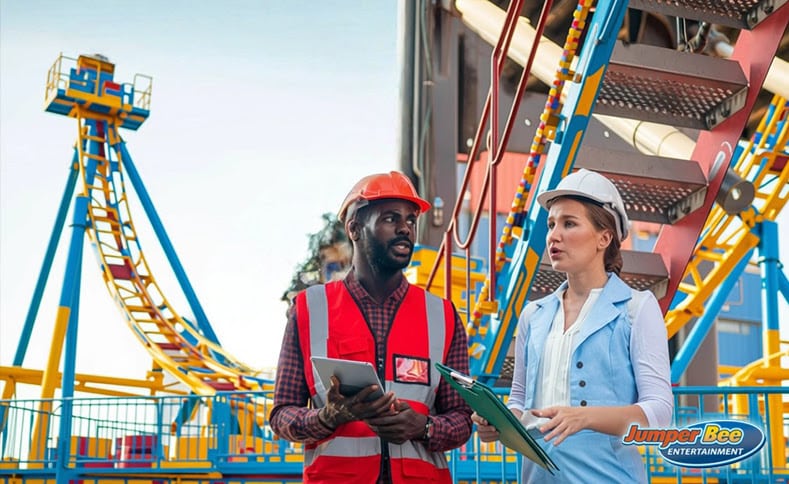
When the inspectors show up on site, they’re going to look at a few main areas during their walk-through. They’ll first go through the mechanical parts one by one to make sure that everything is working the way it should. They’ll then take a close look at the ride’s structure itself to check for any wear, cracks or damage that could have developed over time. Finally, they’ll actually watch the ride operators in action to make sure that they’re following the safety procedures that the manufacturer laid out. It’s a careful process, and it needs to be.
The rides have to go through inspections at least annually. For the rides that travel around from place to place, they need a brand new inspection every time they get set up at a new location. This is a big deal because it gives inspectors a chance to find any damage or mechanical problems that could have happened during the move or when the crew put everything back together.
Ride operators can’t take inspections lightly because the TDLR enforces these standards with real consequences. Anyone who skips an inspection or tries to run a ride that hasn’t been approved will find out fast just how strict the department can be. Fines are one part of it, and they pile up fast. More than that, the TDLR can shut down a ride right away and force it to stay closed until the problems have been corrected. For especially big safety problems, the department can even pull an operator’s permit and end their ability to run the ride until they reapply and show that they’ve fixed everything.
A ride malfunction at the State Fair of Texas in 2017 sent a few riders to the hospital. Once that happened, lawmakers decided to make some changes to the way that carnival rides get checked throughout the state. They tightened up inspection requirements and added more enforcement personnel to make sure that operators were actually following the safety standards. The goal was to catch problems before they’d turn into accidents and to stop another incident like the State Fair malfunction from happening again.
Ask to See the Inspection Documents
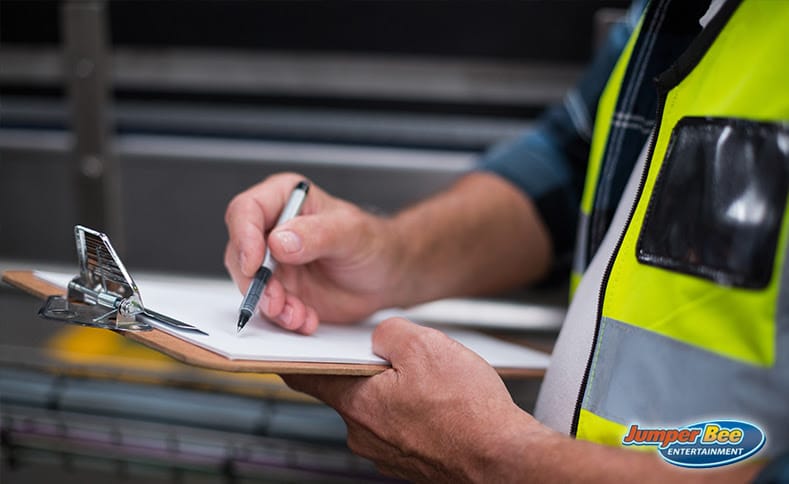
Carnival ride operators have to have paperwork on hand, and yes, you can definitely ask to see it. The inspection certificate matters most because it shows that the ride has been checked recently and meets the safety standards. Most operators will have it posted somewhere visible, though if it’s not displayed anywhere, just ask to see it before anyone gets on the ride.
Texas law says that operators have to post these certificates somewhere visible to the public. When one isn’t as easy to find or when nobody on staff can tell you where to find it, that’s usually a red flag about how much the operator cares about compliance. Every certificate includes an inspection date and tells you when an inspector last came through to check out the ride and make sure it was safe for riders. That date actually matters quite a bit. Every ride has to get a full inspection before each event, and also any time it gets set up at a new location. If the certificate was dated 6 months ago, well, it doesn’t tell you much about whether that ride is safe to get on right now.
The paperwork should also have the ride’s name on it and information about the inspection company or whoever the inspector was who signed off on it. Real certificates are going to look professional, and they’ll have details on them that need to match up with what you’re actually looking at. If any of these details don’t match or something just feels off as you read it, trust your gut on that one.
Any operator who really cares about safety won’t get defensive if you ask to see their certificates. Most of them are used to these questions, and the better ones have all their paperwork ready to show to riders and parents.
But if they get annoyed or try to wave you off when you bring it up, you should probably take that as a red flag and skip that ride.
Questions About the Operator Training
The person who’s actually running a carnival ride matters just as much as the ride itself does - maybe even more in some cases. Before you hire a carnival ride company, ask about operator certification and find out what training program they have to go through to get licensed. Texas does have some requirements in place for ride operators. But compliance levels aren’t always the same from one carnival to the next. Ask to see proof of certification for the operators who’ll be on duty that day. Find out how long their training lasted and make sure that they actually know the safety features on each ride they’re responsible for. Emergency procedures should come up in this conversation, too. An experienced operator will be able to explain the steps that they take if something goes wrong as a ride is in operation.
Most carnivals and fairs have teenage workers running at least some of the rides. Teenagers can get certified to run this equipment. But many of them won’t have much experience to back it up yet. A fair number probably just did the bare minimum of training to pass their certification and get hired - it’s why it pays to ask them some direct questions about their background and experience. Amusement ride operators in Texas need to carry state-issued credentials that prove they’ve completed the needed safety training. The credentials will spell out what types of rides that person is qualified to run. Before anyone can run a ride and open it to the public, they need to know that particular ride inside and out - how it works and its safety procedures.
After you’ve sized up the operators, you should turn your attention to the rides. Take some time to look over the equipment closely and to get a feel for what mechanical condition everything is actually in.
Check the Carnival Safety Before You Go
The Texas Department of Licensing and Regulation has an online database that lets you check an operator’s license and see if they have any past violations on their record. You can do this research before you go to the carnival, and it’s definitely a smart idea. Access to the database is free, and it only takes a few minutes to pull up everything you’ll need to know.
The database lets you search for any carnival company or operator. You should check when their last inspection was and what kinds of problems the inspector found during that visit.

You can also give the carnival a call before you head out there. When you get them on the phone, ask them which inspection company they use for their rides and find out if they post the inspection certificates somewhere that guests can see them. You should also ask if each ride that they have is currently certified. A carnival that does business the right way won’t have any problem answering these questions.
Social media and local news outlets might give you some extra information that’s worth knowing. You should search for the carnival’s name along with the city where it’s set up and see what pops up about any recent incidents. Parents like to share their experiences on community Facebook groups and similar pages, especially if something went wrong or didn’t feel right. Local news stations are also quick to report on carnival safety stories when they happen in their area.
Most of this research will take you between 15 and 20 minutes at most. You can do most of this from your phone as you decide if you want to go. The point is to get enough of a background about the carnival’s safety record to feel comfortable before you spend money on tickets or let your kids anywhere near the rides.
How to Report Safety Concerns
After you’ve gone through these questions and something still feels off about a ride, the next step is to actually report it to the right agency. For anyone in Texas, the Department of Licensing and Regulation is the agency that takes care of carnival ride safety complaints and questions. The department runs a dedicated hotline that you can call at 1-800-803-9202, and they also accept reports directly through their website if you’d prefer that option.
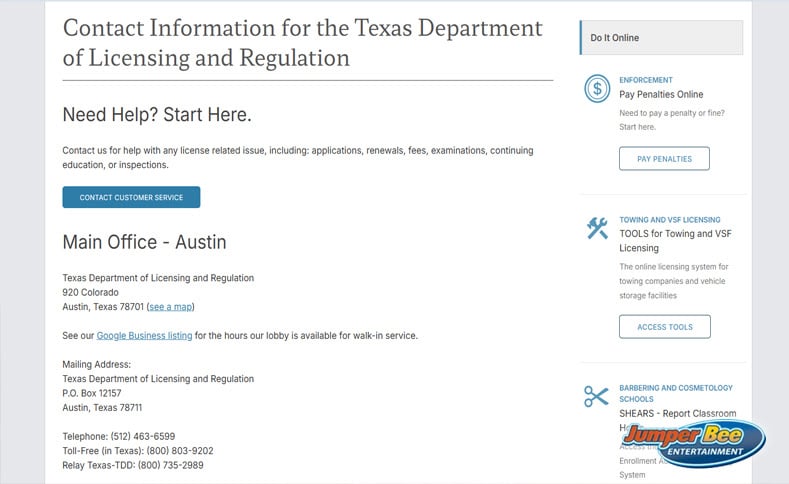
Don’t leave the area without documenting everything first. Take a few photos of whatever concerned you and write down the date, the time, and which ride had the issue. Also, record the carnival or fair’s name when you see it posted anywhere nearby. Providing them with this information makes the inspector’s job much easier because they can track down what went wrong and figure out where it happened.
The situation you’re in will determine who you should contact about it. Local authorities (police or emergency services) should get the call first when anyone has been injured or when a ride operator looks intoxicated. Emergency situations like these need immediate attention from responders who can show up and actually do something about it. But issues like missed inspections or maintenance problems that don’t need urgent action can be reported through the TDLR hotline, and that’s usually the best place to start with those problems.
After you submit your report, TDLR will review everything you’ve shared with them and figure out how to move forward. In most cases, they’ll either send an inspector out to check out the ride in person, or they’ll contact the operator directly to take care of the issue. When they assign you a case number (and they usually do), save it somewhere safe - it lets you follow up and check on where your complaint stands whenever you want.
Your report could be what protects another family and prevents them from harm. Ride operators are actually supposed to fix problems once they know about them, and your call could be the first time that anyone has told them about it. Speaking up does help the other families who visit the park after you do.
Make Your Party Unforgettable
Most carnival operators in Texas do a solid job of maintaining their equipment and staying compliant with state laws. They’ll usually be happy to answer any safety questions you have about their rides. Operators know that parents are going to ask questions about safety - it’s just part of running a family-friendly business. Plenty of these operators have been in the business for years and take pride in their safety track record. If an operator gets defensive if you ask questions, or if they brush off your concerns without actually answering them, that should tell you everything you’ll need to know about whether your family belongs on that ride. When something feels off, trust that feeling. Don’t let anyone make you feel like you’re being demanding or paranoid just because you want to protect your kids.
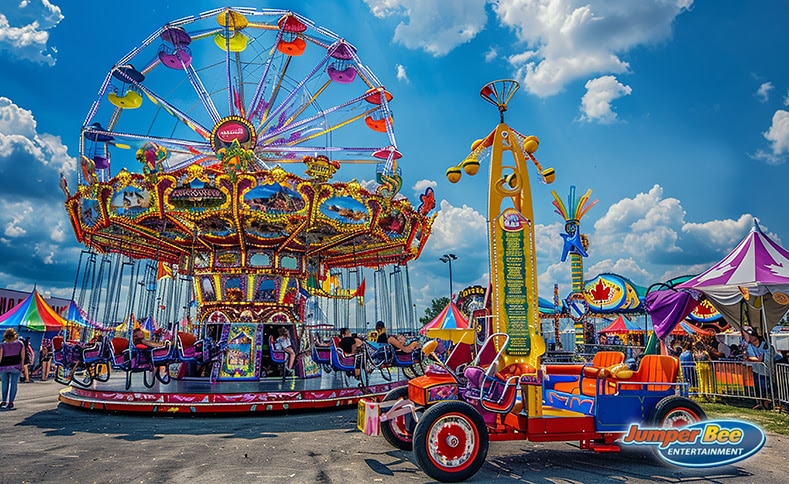
A few minutes to ask these questions before your kids climb aboard can go a long way. Share what you’ve learned here with other parents in your community, because this information shouldn’t stay with just one family. Parents who know what questions to ask and which warning signs to watch for actually help to push the entire industry in the right direction. The safest and most responsible operators are the ones who do the best when customers know what to look for. Texas families deserve to get all of the excitement and joy of their local carnival rides without having to wonder whether the inspections and maintenance were actually done.
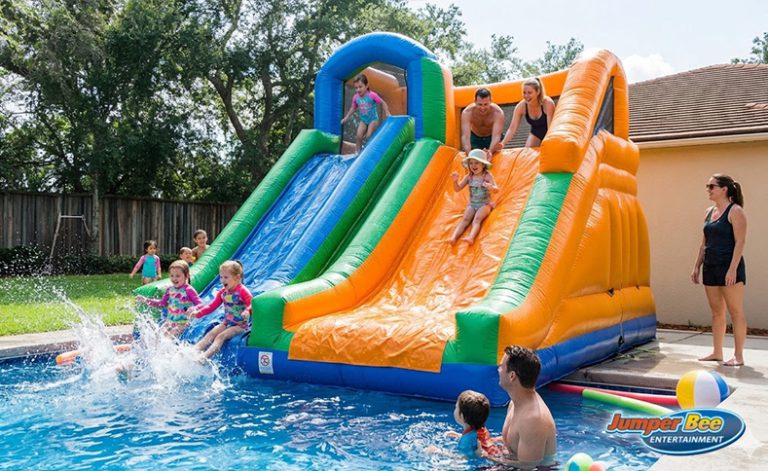
That same excitement and fun can come right to your own backyard, and you won’t have to worry about any safety problems either. Jumper Bee Entertainment does party rentals all over the greater Dallas-Fort Worth area, and we stock just about everything that you’d need to pull off a memorable event. Water slides, arcade games, inflatable bounce houses, carnival games - the inventory does go on and on. Contact us whenever you’re ready, and we’ll send over a free quote straight to you. Your next party is going to be the one that everyone remembers!

Leave a comment
Be the first to share your thoughts.