
 By James Parsons
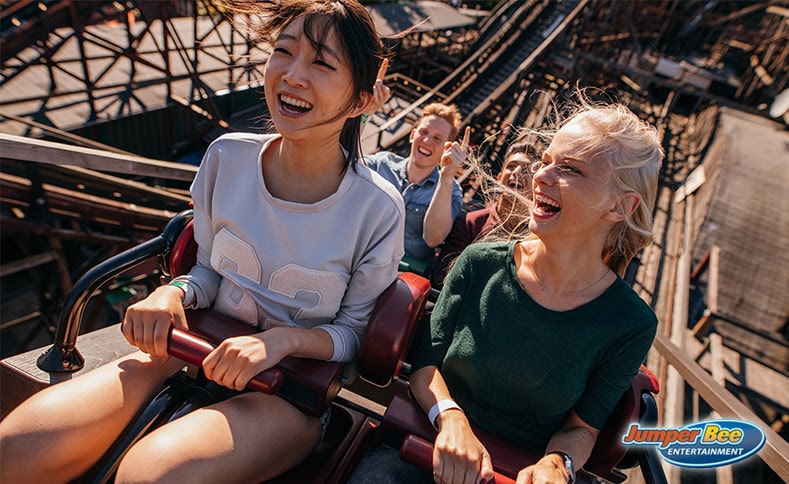
Height and weight restrictions on carnival rides are there for some very good reasons, and they’re all about the basic physics and how much force the human body can safely take. Most bigger rides will require you to be at least 48 inches tall. The more family-friendly attractions are a bit more forgiving, and they’ll usually let the riders on at just 36 inches. Weight limits matter just as much as height, and most single seats cap out at between 250 and 300 pounds per person.
If the ride has shared seating for two riders, the combined limit jumps to between 400 and 600 pounds. Lots of modern carnivals have added test seats right at the entrance to the popular attractions - it helps since you can check if you’ll fit comfortably before you spend time in what could be a pretty long line.
This piece breaks down the exact numbers for different types of rides, who decides on these limits, and why they matter and when operators break the law - it also covers some newer accessibility features that have made it easier for more body types to ride without any safety problems.
Let’s talk about it!
Height Rules for Different Ride Types
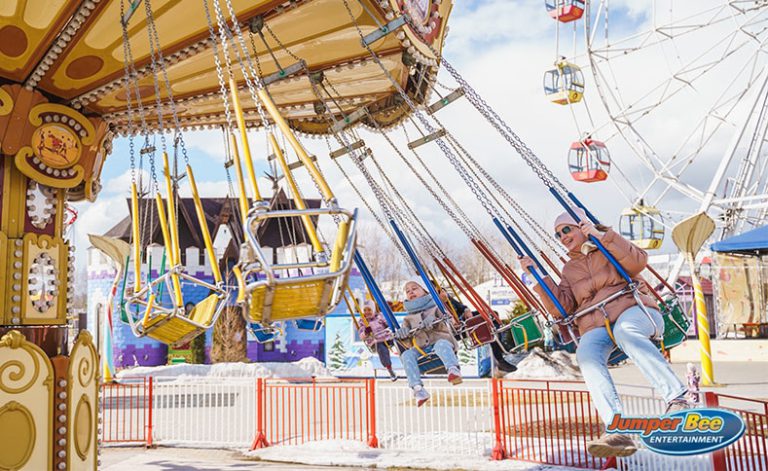
Most carnival rides have height minimums, and they usually range anywhere from 36 inches to 54 inches or so - a pretty wide span if you think about the different ages and body types you’ll see at these parks. Most theme parks have settled on 48 inches as the standard height minimum for their bigger attractions. That works out to be about 4 feet tall. Just about every big roller coaster and spinning ride out there posts this number, and it’s become the industry baseline for anything with speed or intensity. Rides with a gentler pace are usually more flexible with their minimums, though. Classic carousels, kiddie coasters and other attractions that stay at lower speeds usually ask for around 36 to 42 inches instead.
A handful of the more intense attractions will push that minimum even higher (that’s 52 or 54 inches in some cases), and the reason is to protect smaller riders from the forces that their bodies aren’t ready for yet. If an adult comes along, it doesn’t change any of these height minimums, and this frustrates lots of families. A parent might want to hold their child or to ride right next to them. But the height minimum still stands. The lap bars and safety harnesses are designed for riders who meet that minimum, and a child who’s under that mark just won’t be held in place safely, no matter who sits next to them.
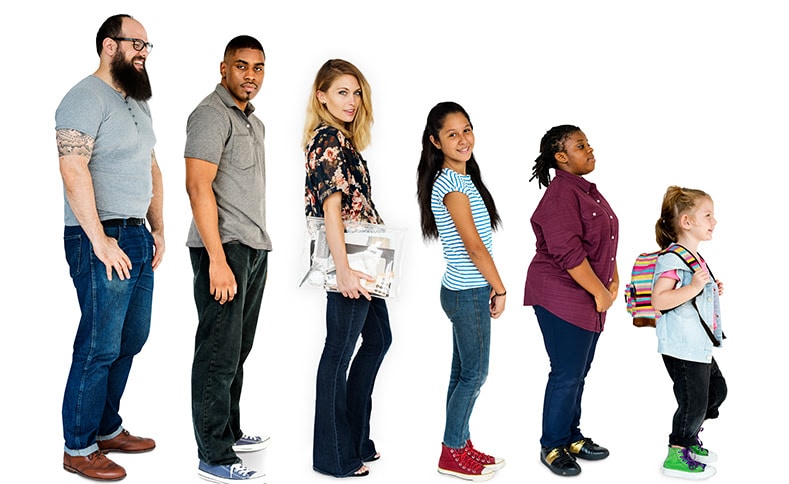
Weight limits are a different story since there’s no industry standard for them. Lots of rides actually don’t list a maximum weight at all. For the ones that do, you’ll usually see a limit somewhere in the 250 to 350-pound range. The limit itself is mostly determined by the restraint system and how it’s engineered, instead of by the ride mechanism itself.
Families feel disappointed when they run into these height and size restrictions, and I get why. You plan out a fun day at the park, and you wait in line with your kids, and then you find out your child can’t actually ride the attraction that they’ve been most excited about. It’s frustrating for everyone. The operators aren’t there to ruin anyone’s day - they’re just there to follow the safety standards that the ride manufacturer put in place.
The Weight Limits Parks Don’t Mention
Weight limits matter every bit as much as height limits at any theme park. Parks just don’t make them quite as visible at the entrance. Most ride seats can hold between 250 and 300 pounds per person, and a fair number of newer attractions have actually increased that capacity to around 400 pounds.
Shared seats work a little differently and have their own set of details. When two riders buckle into the same restraint system together, most rides will have a combined weight limit between 400 and 600 pounds total. The way the weight gets distributed between the two riders matters quite a bit for how the ride can work safely, and it also determines if the harness or lap bar will be able to lock down in the way it’s designed to.
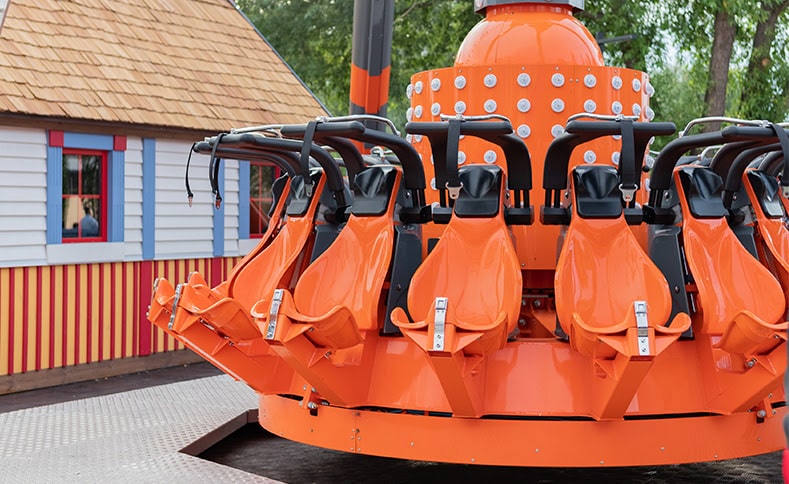
Most modern rides have test seats right at the entrance, and these can save you plenty if you have to wait in a long line. The test seats are made to be just like the seats on the ride, so you’ll get a feel for how the restraints fit before you’ve wasted any time. The park employees usually stay near the test seat area, and they can answer questions about sizing or show you how the restraints are supposed to lock down.
A lap bar or harness that only closes partway won’t keep riders safe and locked in once the ride actually gets going - it’s the main reason that attendants always have to go through the entire train and physically check each seat before they’re allowed to start the ride.
Who Sets And Enforces The Limits
The height and weight restrictions posted at every carnival ride aren’t determined by the carnival operators themselves. The manufacturers who build the rides are the ones setting those limits, and they base them on lots of testing and safety data that’s been built up over years of operation.
When ride makers design a new attraction, one of the first steps they need to work out is whether the restraints can safely hold different body types. They have to test for the forces that happen during the ride (the way that it spins, when it drops and those sudden stops) and see how each force might affect riders of all different shapes and sizes. After they run the tests and crunch the numbers, they get the height and weight limits that are posted right at the entrance of each ride.
Carnival workers who measure your kid’s height before they board a ride receive specific training on those limits, and they have to follow them to the letter. We’re talking zero flexibility in this (they can’t make exceptions or adjust the numbers for anyone), even if your child is only an inch away from the cutoff. Those measurements are firm, and the operators have to enforce them strictly every time. State inspection programs are another layer of enforcement to make sure carnivals are actually following the standards that ride manufacturers set. Most states use standards from organizations like ASTM International as their benchmark when they’re inspecting carnival rides and verifying that height restrictions are being followed the way they should be. Inspectors will check that the measuring equipment is accurate and calibrated correctly, and they’ll also watch the operation to see if carnival workers are turning away guests who don’t meet the height limits.
Carnival workers aren’t making these decisions on the fly - they’re just enforcing standards that the engineers came up with, and state laws actually tell them to follow those standards. By the time you walk to the ride with your family, the answer to whether your kid can ride it or not has already been decided.
The Risks of Breaking Safety Rules
Ride operators who let riders on a ride when they don’t meet the posted size limits are putting everything on the line for their business. Insurance companies can refuse to cover any accidents if they discover that the operator ignored their own posted limits. When that happens, the carnival or amusement park ends up looking at massive financial losses, all on top of injuries or deaths that result.
Legal consequences are just as real as the physical dangers. Families have every right to sue when an accident was preventable, and plenty of them do. When a case goes to court, one of the first matters to be examined is whether the operator actually followed their own posted safety standards. If they didn’t follow those standards, the operator is held personally liable for injuries and damages that result.
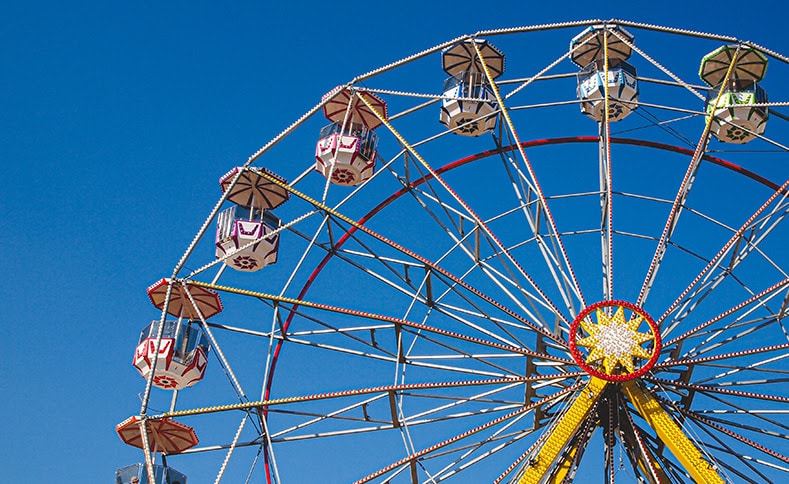
A teenager died on the Orlando FreeFall ride after he slipped out of his seat during the drop. Investigators later found out that the restraint system just couldn’t work the way that it should for a rider of his size. The ride actually had weight limits posted right there at the entrance - but the operators still allowed him to go on. Tragedies like this are the reason those weight and height limits are in place. When manufacturers build these restraints, they’re working with a very particular size range in mind, and their safety calculations are based on passengers who fall within that range. If a rider falls outside of it, the equipment just can’t work the way it was designed to. Maybe the harness won’t lock into place, or maybe it leaves dangerous gaps where there shouldn’t be any.
Operators get pressure to let everyone on the ride when families have traveled a long way or have already been waiting in line for hours on end. Once they make that exception, though, they’re taking on the full responsibility for whatever happens next. I can tell you that no operator wants to be the person who has to tell a parent that their child can’t ride. It’s an uncomfortable conversation to have. But it’s still way better than what might happen if they bend the standards. These safety measures are in place to protect everyone who’s involved - the riders, the operators and everyone else who is at the attraction.
Ride Access for All Body Types
Carnival rides have come a long way in the last few years in how well they accommodate riders of all shapes, sizes and abilities. Plenty of the manufacturers are designing seats and harness systems that adjust to fit a wider number of body types, and some of them are also installing accessibility features to help riders with disabilities board safely. This opens up the experience to a much wider audience, and more families and groups can go on these attractions together without leaving anyone on the sidelines.
The ADA has pushed carnival operators to get more creative with ride accessibility, and it’s brought about some pretty significant design changes. Harnesses have been redesigned to work around the use of prosthetics, and lap bars can fit a much wider number of body types compared to those old one-size-fits-all restraints.
Not every carnival has managed to make these updates yet. Plenty of the older rides were built during a time when accessibility wasn’t a priority for manufacturers. Lots of traveling carnivals are still running rides that are 20, 30 or 40 years old, and those machines were designed for a pretty narrow set of body types.
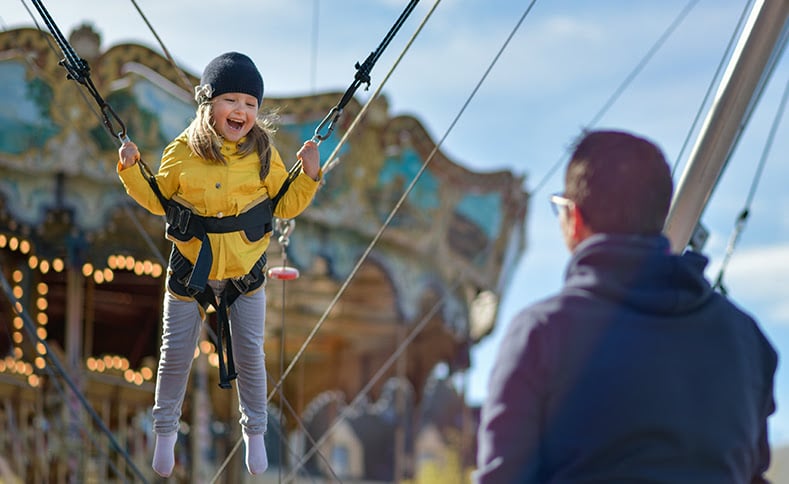
Calling ahead or visiting their website can save you some time and frustration. Ask them what they have available that might work for what you need. It’s also worth asking them if their staff is trained to help with transfers from wheelchairs or if any of their rides have adjustable restraints that can fit different body types. Plenty of places will list this information somewhere on their website, and it’s convenient. A quick phone call will usually get you more and better answers about what they can do, though.
Carnivals have been making progress on accessibility over the last few years, though the changes have rolled out more slowly than lots of us would like. The nice part is that ride access has opened to a much wider number of guests compared to what was available just a decade ago. Spending a little time researching the particular carnival or fair you’re planning to visit will give you a much better sense of what accommodations they have and what to expect when you arrive.
Make Your Party Unforgettable
Parks have these because safety and comfort matter for everyone who visits them. Spending a few minutes to check what each ride needs ahead of time lets you plan out your whole day with confidence and skip the disappointment of being turned away once you’re already in line. Most parks set up test seats near the entrance of each ride, and they’re well worth your time. They let you see what works for your body without any pressure or awkwardness, and they help you narrow down which rides will give you and your family the best experience.
A trip to a carnival or amusement park should be all about having fun without stressing over safety problems the whole time. Most families want to go on the rides and attractions without waiting in long lines just to find out that their kids aren’t tall enough for half of them. Checking the height and age restrictions ahead of time lets you skip most of that frustration and disappointment. You’ll spend more time enjoying your day and making memories instead of dealing with upset kids at the entrance of every ride.
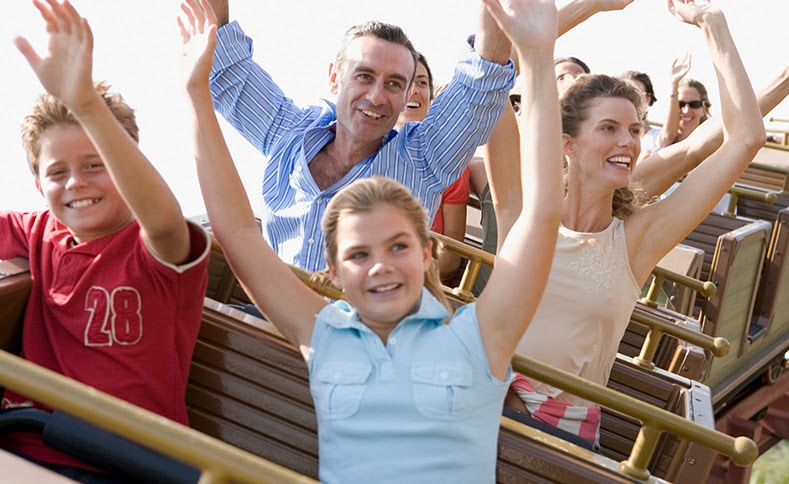
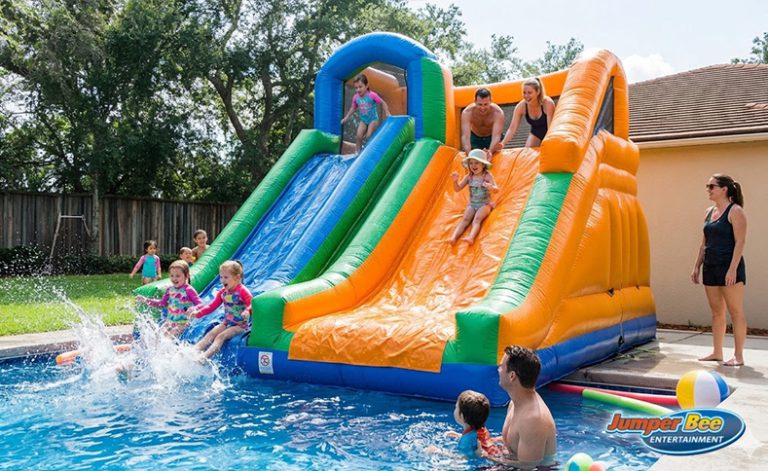
We help families throw great parties all the time. Excitement and joy are what turn an event into something memorable. We do party rentals across the greater Dallas and Fort Worth area, and we have just about everything you could need! Water slides, arcade games, inflatable bounce houses and carnival games - our inventory covers it all and then some.
Give us a call for a free quote, and we’ll help you put together a party that your guests will actually remember. Jumper Bee Entertainment is ready whenever you’re ready.
Leave a comment
Be the first to share your thoughts.