
 By James Parsons
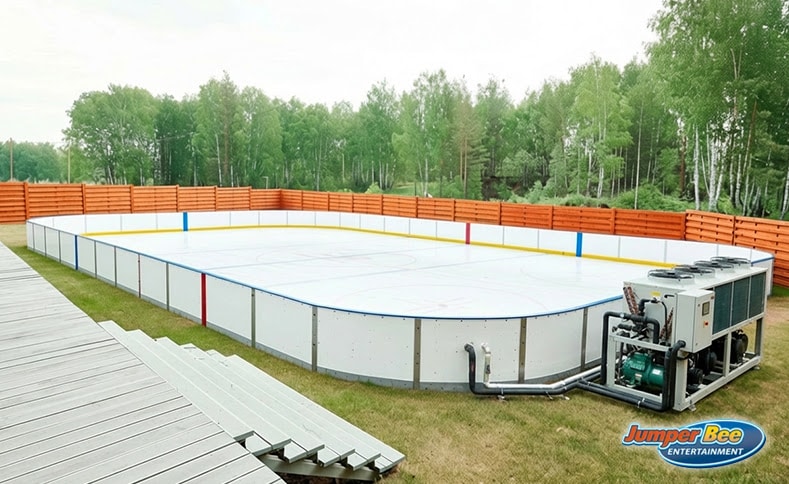
Many Texas families dream of having their own backyard ice rink, and the reasons to want one are pretty hard to ignore. Kids could practice hockey right after school, figure skaters could work on their spins without that long drive across town, and winter evenings would turn into impromptu skating sessions. On paper, this sounds like a great addition to any home. Texas heat brings a challenge, though, and most northern guides gloss over this problem.
A backyard rink in Minnesota or Wisconsin has a big benefit because it can count on the natural climate doing most of the heavy lifting. Temperatures drop well below freezing, and they stay there for months at a time, making everything much easier. In Texas, the weather works against you all of the time. Summer temperatures usually climb above 100 degrees F, which means that your refrigeration system has to work overtime just to keep the ice from turning into a puddle. December and January might look promising on paper. But the temperature swings in Texas are pretty wild. You can see it drop to 30 degrees F one day and then shoot back to 70 degrees F just a few days later. All that back and forth destroys your ice quality, and it puts families in a tough position where they have to choose between paying massive energy bills or just accepting that the rink will melt every time a warm front rolls through.
Plenty of HOA regulations in Texas neighborhoods won’t allow this type of refrigeration equipment. And most homes are going to need a large electrical upgrade to take care of the amount of power these units demand. Permits add more trouble, and city codes can look different from one county to the next. Even with all this working against them, thousands of Texas families still want their own backyard ice rink, and some have actually found ways to make it happen! The secret for most of them is to work with the heat instead of trying to battle it.
We’ll see if a backyard ice rink makes sense in the Texas climate!
Texas Heat and High Energy Bills
The heat is going to be enemy number one for keeping a backyard ice rink in Texas. Summer temperatures across most of the state will climb right past 100 degrees day after day, and that’s too much for any refrigeration system to handle. Your equipment is going to have to work around the clock just to stop the ice from melting away completely.
Your equipment has just one job, and it sounds simple enough at first. But when you have to manage it day after day in extreme heat, it turns into a much bigger challenge. Ice surfaces need to stay at around 25 degrees, so when the temperature outside climbs to 105 degrees (or higher), the refrigeration system has to overcome an 80-degree temperature difference for hours on end. To hold that gap in check, your compressors and chillers will be running almost all of the time.
That non-stop operation is going to show up on your monthly energy bill, and it piles up fast. Most backyard rink owners in Texas wind up paying between $500 and $1,500 per month just to cover the electricity costs for keeping their ice frozen during the peak summer months. As the temperature climbs higher, your costs climb right along with it because your refrigeration system has to work harder and run longer to stay ahead of the heat.
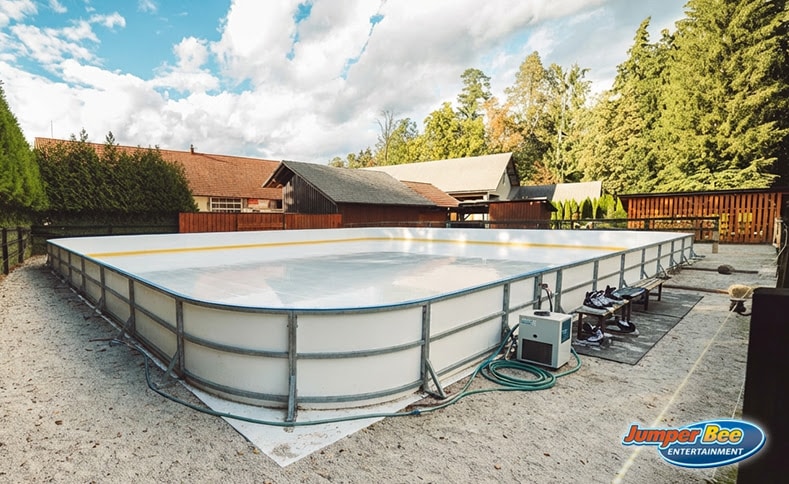
Winter in Texas doesn’t give ice rinks much of a break for refrigeration costs. The state almost never sees the extended freezing temperatures that would allow natural ice to form and actually stay frozen for any reasonable amount of time. Cold days do show up throughout the season, and some of them might even drop down pretty low. Those short cold snaps just don’t last long enough to support a usable ice surface, though - your refrigeration system still does nearly all of the heavy lifting.
Your refrigeration equipment should be running all year round if you have a backyard rink in Texas. The option to shut everything down and let Mother Nature take care of the work just doesn’t happen here - and that’s the main difference between Texas and the northern states. Up north, outdoor rinks get to count on natural freezing temperatures for a solid few months every year, and it makes the whole operation much easier.
The Best Time for Texas Ice Rinks
Texas winters don’t cooperate with backyard ice rinks. December through February has the best chance.
Temperature swings are the biggest challenge with outdoor ice. Monday morning might start at 30 degrees, and by Wednesday afternoon, it could hit 70. Ice can’t survive when the weather changes that much in just a few days. A smooth skating surface will turn into slush pretty fast, or it might melt before the kids even get a chance to use it.
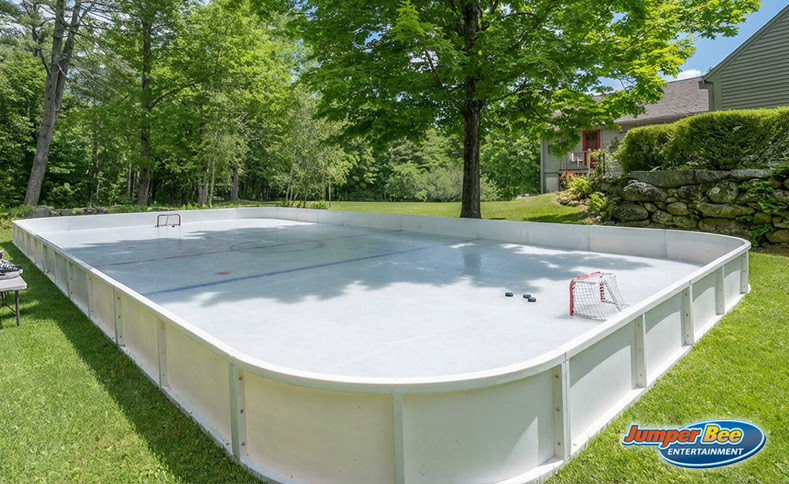
Friends from up north love to share their backyard rink tips, and I get it - they want to help. But most of their advice won’t work out for our climate. Up there, winter means weeks of steady cold weather. Down here, we’re lucky if we can get a few days in a row below freezing. Their tips about ice thickness and how to keep it going assume the temperature will stay below freezing for weeks at a time. But that just doesn’t happen around here.
A few determined families do actually manage to make it happen when the temperatures drop low enough. They watch the forecast like hawks and jump into action the second that a cold snap arrives. They’ll get the whole rink set up as fast as possible and let the kids skate for maybe a handful of days before the warmer weather returns, and it melts everything. Those short skating windows last for about a week or two at the most. For the families who are willing to put in that effort, though, it’s worth it. Kids who hardly ever get to skate on ice outside of an indoor rink usually remember those backyard skating days for years to come.
Equipment That You Need for Setup
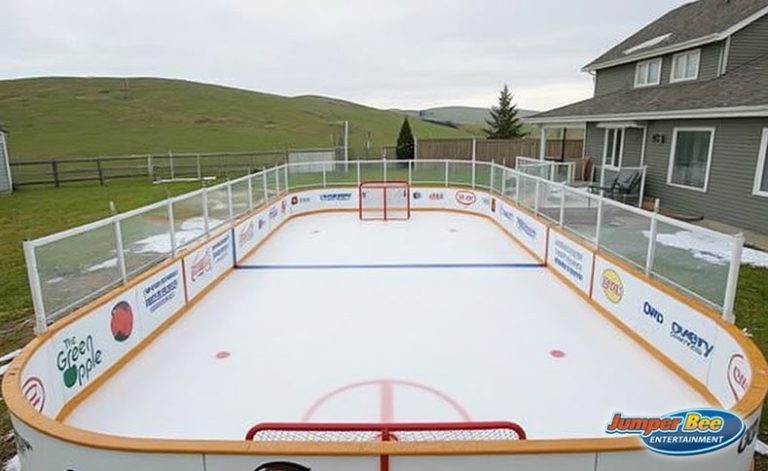
A backyard ice rink in Texas needs different equipment compared to what families up north get to use. You can’t simply roll out a basic tarp and flood it with water like they do - the weather down here doesn’t cooperate the way it does in cold climates.
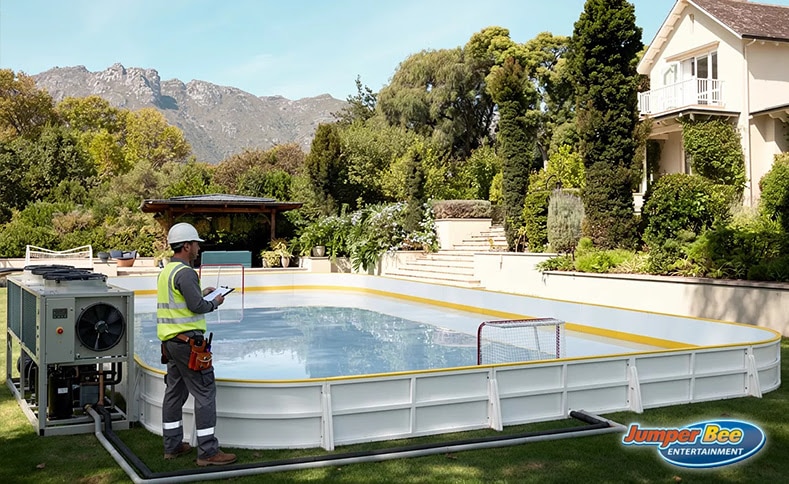
An ice rink in Texas requires a refrigeration system - it’s the only way to keep ice frozen in this climate. The setup uses chillers and a whole network of pipes that run underneath the ice surface, and they all work together to hold the temperature at just the right level. Portable rinks usually use smaller chilling units that you can pack up and store away when the season ends. Permanent installations are built a bit differently - they use concrete pads that have the cooling lines embedded directly into them.
The right choice is going to depend on your budget and how far you want to take this whole project. Portable rinks are a great way to test it out before you decide to commit tens of thousands of dollars to a permanent installation. Just remember that you’ll still need refrigeration equipment no matter which option you choose. The biggest advantage of portables is that you can break the whole setup down and store it away when spring rolls around.
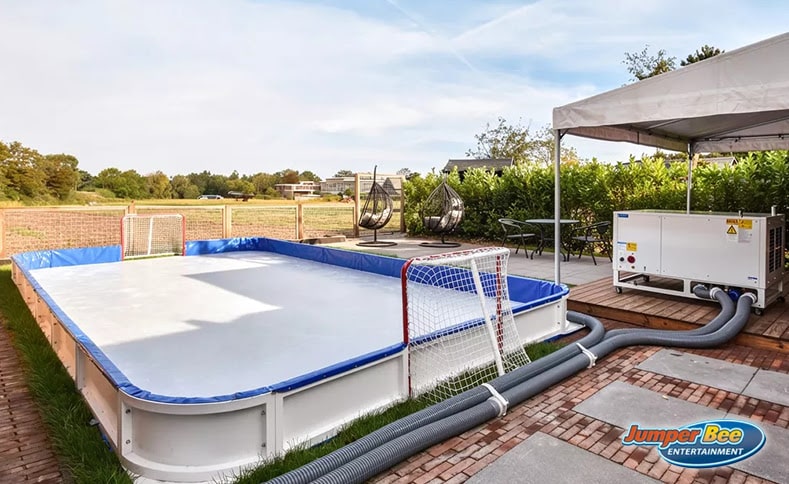
Texas does have at least one nice advantage in this type of project. Most of the state is pretty flat, and you don’t have to worry about leveling out slopes or working around uneven ground. Skipping all that ground prep work means the whole installation takes less time and costs much less money, too. Space is still something you’ll have to plan for, though. Most backyard rinks start at around 20 by 40 feet, and they only get bigger from there.
Your equipment list is going to get pretty long when you add up the different pieces you’ll need to keep up a quality ice surface throughout the season. The northern states, where it stays cold all winter, let you skip most of these purchases because the natural weather conditions will do most of the hard work.
Smart Ice Alternatives for Your Backyard
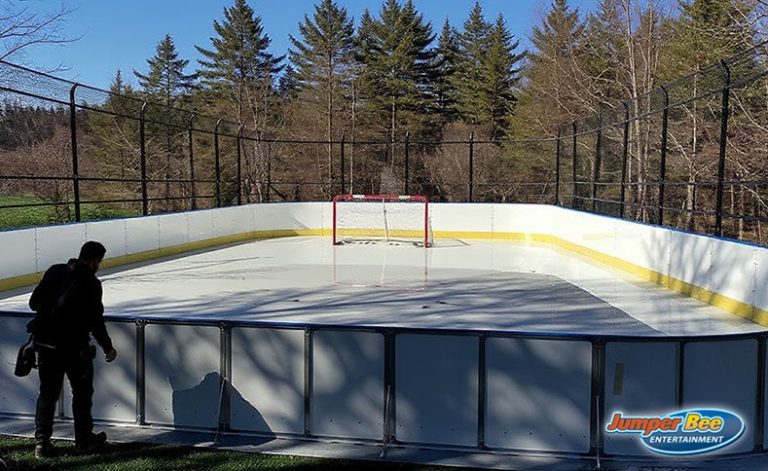
Texas families have found some pretty smart ways to build backyard rinks, even with the heat. Synthetic ice panels are probably what most homeowners go with when they want to skate year-round. These panels are made from a type of polymer material, and the best part is that they don’t need any refrigeration system to work. They lock together to create a smooth skating surface, and they’ll perform just as well in the middle of July as they do in winter.
Synthetic ice has become pretty popular with skaters who want to practice at home, and it’s popular for a reason - the blade glide on the polymer surface feels remarkably close to what you get on frozen water. Your skates will move across it in almost the same way, though you’ll feel that it takes a bit more leg power to push off than it does at a standard rink. Even with that extra resistance, the technique and muscle memory you build will carry over just fine when you get back on actual ice.
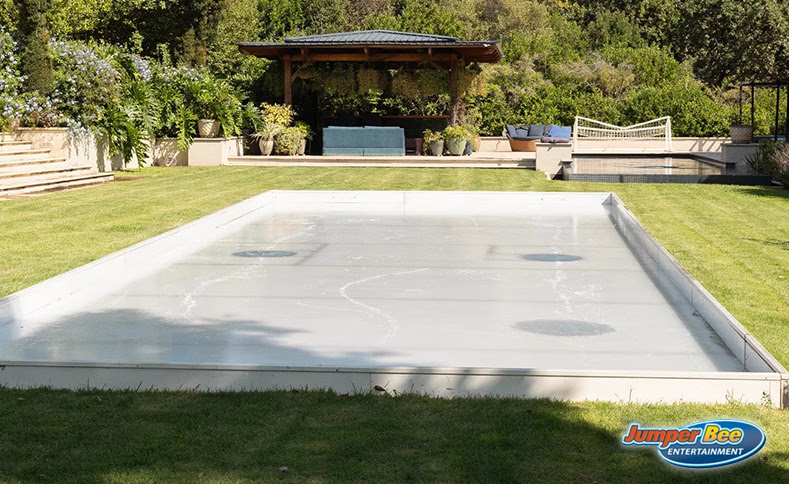
Roller hockey rinks are another popular backyard option that plenty of Texas families have gone with. These rinks use sport court tiles that snap together to create a stable playing surface. Kids can practice their stick skills on inline skates, and the tiles don’t need any cooling system at all. The surface holds up well in hot weather and makes roller hockey a solid alternative to ice.
Between 2020 and 2022, these two surfaces saw a big spike in popularity. Families all over the country were trying to find ways to stay active and entertain everyone as they were stuck at home. One of the biggest selling points for these two surfaces was the installation - you could do either one of them yourself without needing to hire a professional to come out and do it. This made them pretty attractive for anyone who wanted to take on a home improvement project on their own.
Plenty of homeowners take this even further and build convertible spaces that work for a few different activities throughout the year. A synthetic ice panel setup is a perfect example of this - you can remove the panels and store them away when the hockey season ends, and just like that, you have a full-size basketball court for the summer. Multi-use areas like this are much easier to justify from a cost perspective because you actually get more value out of the same space.
Permits and Rules You Should Know
A backyard ice rink in Texas is a fun project. But you’re going to need to handle permits and local restrictions first. Most cities need permits if you want to install any permanent refrigeration system. The reasoning behind this actually makes practical sense. Refrigeration systems create a fair amount of noise because the compressors have to run the whole time. They also pull quite a bit of electrical power, and you’ll need to set up the right drainage for the melted ice.
Homeowners associations can complicate matters if you’re a Texas homeowner who wants to build a backyard rink. Most HOAs really care about noise from the refrigeration equipment and whether it’s going to bother your neighbors. They’ll also want to make sure that the rink looks acceptable from the street and fits in with how the rest of the neighborhood looks. Liability is on their radar, too. Ice rinks have some chance of injury on your property.
It’s worth doing some homework on the permit situation before you spend a few thousand dollars on a backyard rink project. Talk to your city’s planning department to find out what permits (if any) you’re going to need for this setup. Contact your HOA next if you have one, and check their policies on outdoor structures and noise levels. Your deed restrictions are also worth checking because they can have limitations buried in them that most homeowners don’t even know are there.
Property policies in Texas can change quite a bit from one community to another. Something that’s allowed in one suburb could be off-limits in the town right next to it, even if they’re only separated by a few miles. Each city and county gets to set its own policies on these matters, and they don’t always match up with what neighboring areas permit. With how much variation exists between locations, you can’t count on what worked for your friend or neighbor in their town as a guide for what you can do in yours.
Portable and synthetic rinks let you skip most of these issues. You usually won’t need any permits for either type since neither one of them uses a built-in refrigeration system that stays in place year-round. Your HOA will probably be happier with them, too - these types can be taken apart and stored away once winter ends, so you don’t have to worry about complaints about noise or how it looks in your yard during the off-season.
Make Your Party Unforgettable
You can build a backyard ice rink in Texas. But you’ll need real commitment and an energy budget that can cover some elevated costs. Traditional ice rinks work just fine down here, and families do build them successfully every winter. The biggest challenge is electricity consumption, and it climbs considerably when the weather gets warm, and your cooling system has to work harder to keep the ice frozen. It can be a great project that gives your family some memorable experiences, as long as you love the idea of having ice right in your backyard and you’re comfortable with only getting to use it for a few weeks of each season.
Most households in Texas go with synthetic turf or multi-sport courts for a reason - they make more sense with our climate. You won’t fight the weather every week, and the space will actually get used year-round instead of for just 3 or 4 months. You can look at the different options available, and your backyard project isn’t out of reach at all - it might just need some adjustments to match up with the weather we get here.
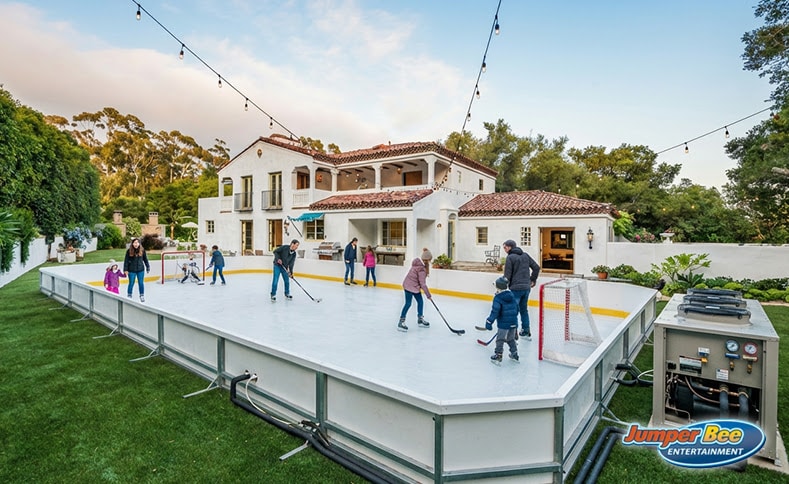
Real ice might only work during those short winter weeks that we get. But synthetic panels work year-round regardless of the temperature. Roller rinks are another solid choice - they turn your backyard into a space for all kinds of activities. All three work well for Texas as long as you adapt them to what our climate needs. Any of them will give you just as much fun and create loads of memories, just like a traditional rink up north.
Jumper Bee Entertainment specializes in backyard parties that guests actually remember. We do party rentals across the greater Dallas and Fort Worth area, and our inventory includes water slides, arcade games, inflatable bounce houses, carnival games and plenty more options to choose from. Have something big in the works? Reach out for a free quote, and we’ll help you pull together a celebration that your guests won’t stop talking about!
Leave a comment
Be the first to share your thoughts.