
 By James Parsons
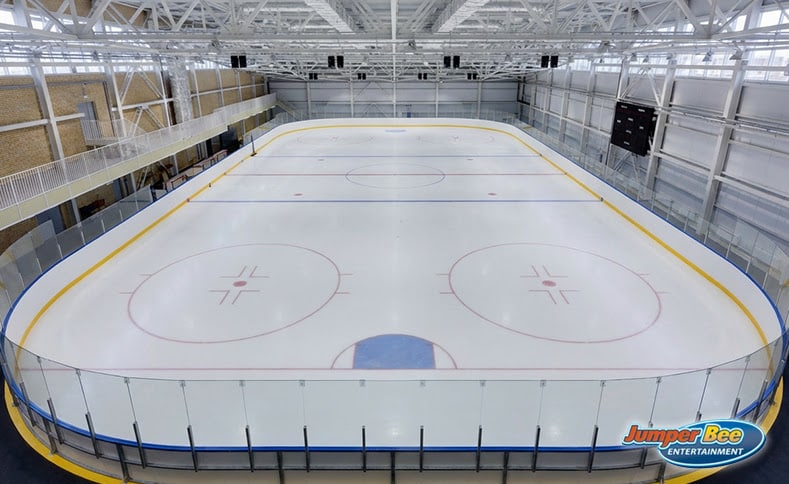
Facility managers have to wrestle with utility bills that seem to climb higher each month, and traditional ice rinks are some of the worst offenders out there. An ice rink is actually one of the most expensive operations in the entire recreational facility industry, and when that electricity bill arrives each month, it’s a brutal reminder of just how much energy these buildings burn through.
The cost is a big part of it. But it’s not the only problem that these places run into. Communities want to meet their sustainability goals. But they also need to offer the programs that residents are asking for. At the same time, budget committees are going through every line item and questioning every dollar spent. Recreation centers, training centers and community program managers all face the same tough choice - they can keep the ice programs going, or they can cut the costs down to something more manageable. It’s a struggle, and there’s no easy way around it.
Synthetic ice technology changes the way you should see this choice. A traditional refrigerated rink needs around-the-clock power to keep the ice cold. But a synthetic alternative needs zero refrigeration at all. The energy savings can change your entire operating budget substantially. For many managers in this industry, lower operating costs like these can turn an ice rink from financially impossible into something actually viable, especially in locations where a traditional rink wouldn’t work out from a budget perspective.
Take a look at the power costs so you can see what to expect!
The Power Facts You Need to Know
Traditional ice rinks are massive energy consumers, and you might not realize just how much power they need to stay frozen throughout the entire year. Your average full-size rink is going to use between 600,000 and 800,000 kilowatt-hours per year, and that’s just for the refrigeration system alone. This figure only accounts for ice refrigeration - it doesn’t even include the lights or the heat that’s needed for the rest of the building. The average American home uses about 10,000 kilowatt-hours of electricity in a year. A single ice rink can use as much power as 60 to 80 homes combined.
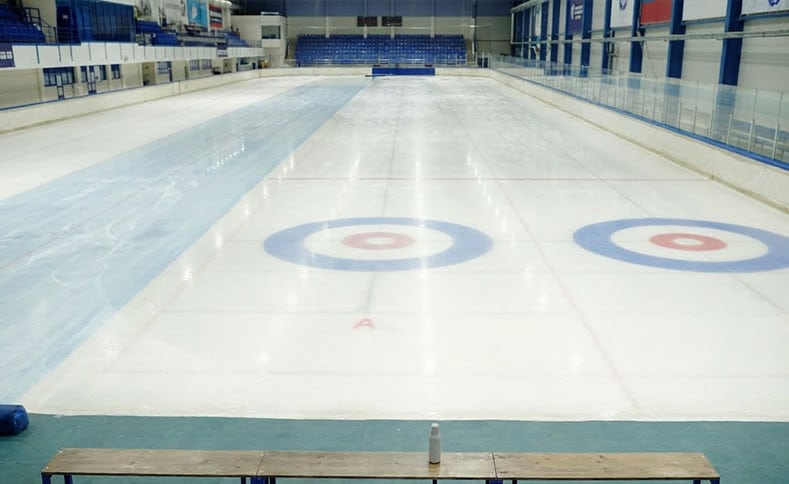
Synthetic ice rinks work on a different principle. The surface material itself stays at normal room temperature, so you don’t have to run any refrigeration system at all. The electricity savings can be massive, and this happens because of one important difference in how the materials work.
Synthetic rinks are far more energy efficient than traditional ice rinks, and the gap is massive - we’re talking about 90 to 95% less energy consumption overall. The electricity that a synthetic rink uses mostly goes toward basic operational needs like lights and climate control for the building. The surface itself doesn’t need any power at all to work, and that can help with your long-term operating costs. A reduction in electricity use like this makes a massive difference in what you’ll have to spend to run a facility. Monthly utility bills become just a small fraction of what traditional ice rinks have to pay. Facility owners who want to operate all year long will benefit the most from this because synthetic surfaces wipe out what is usually the biggest expense in their budget.
Why Ice Rinks Need So Much Energy
Traditional ice rinks need massive refrigeration systems in order to even work right. These are industrial compressor units that have to run around the clock to hold the ice surface frozen between 16 degrees F and 22 degrees F, and it’s actually a fairly wide range to hold steady day in and day out.
On top of everything else, the physics of refrigeration only makes the energy consumption issue worse. The refrigeration system has to work the entire time against whatever the ambient temperature is inside your building. Summer is when this gets extra tough because the equipment is forced to work way harder just to pull all that heat away and hold a frozen surface.
Most traditional ice rinks use either ammonia or freon-based cooling systems to freeze the ice. Either one of these refrigerants will get the job done and hold the ice quality steady. What makes them expensive to run is the amount of energy needed to circulate the refrigerant and hold it compressed at the right pressure levels. The compressors themselves are industrial-grade machines, and they draw massive amounts of power on a continuous basis to make sure that the system stays running.
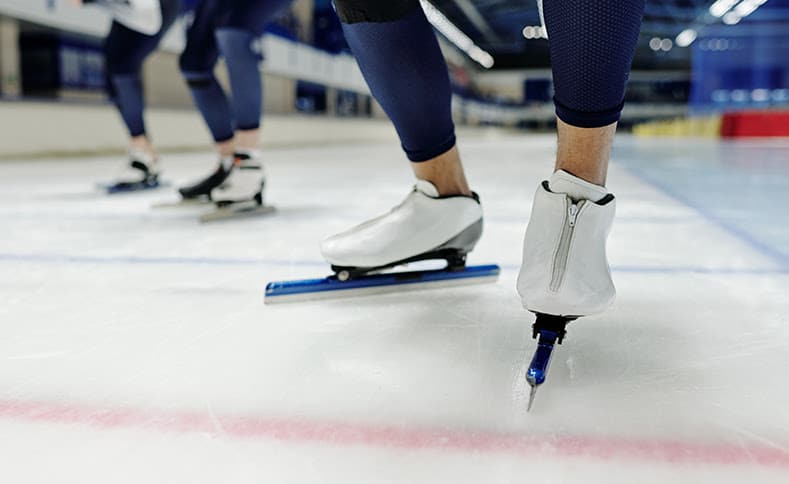
Heat will always move from warmer areas to colder ones - it’s just how temperature works. Refrigeration systems have to work against this movement all day long, and they do it by pulling heat away from the ice surface the entire time. This process can’t pause or take a break - the equipment should be running for as long as the rink has to stay frozen and ready to use.
Energy costs are one of the biggest bills that pile up with ice rinks. The refrigeration systems need to run the entire time - you can’t give them a break. The rink could be closed for the night with zero skaters on the ice. But those compressors still have to keep running to hold the frozen surface. Shutting them down won’t save any money - it just backfires. The ice will start to melt almost right away, and then you’re stuck burning through even more energy to refreeze everything all over again.
Synthetic ice is built on a different principle. These surfaces are made from polymer materials that work just fine at whatever your room temperature happens to be. You won’t be fighting any battles with thermodynamics, and you don’t need compressors to run all day and night just to make it work. The polymer material itself creates the skating surface, and it does this job without requiring any refrigeration system at all.
How Much Power Does a Synthetic Rink Need
Equipment needs for synthetic ice rinks are pretty minimal. No gear or expensive machinery is needed to get one up and running - the setup is fairly simple and much easier to manage than a traditional refrigerated rink.
Lighting will be your biggest power draw by far. This holds true for every indoor sports facility, whether you’re building it for pickleball, basketball, tennis or anything else. Players need to see the ball well and move around the court without stumbling in the dark. It’s pretty simple - you just need to hit certain brightness levels that allow for safe play and decent visibility.
Most places will also have a few basic pieces of equipment around for maintenance purposes. Power tools and small machines are pretty standard - they get used to clean and treat the surface every once in a while. The nice part is that these machines only need to run for a few minutes at a time, and it’s very different from a traditional ice rink, where the equipment has to run continuously all day long. It’s more like vacuuming a carpet than maintaining some complex mechanical system.
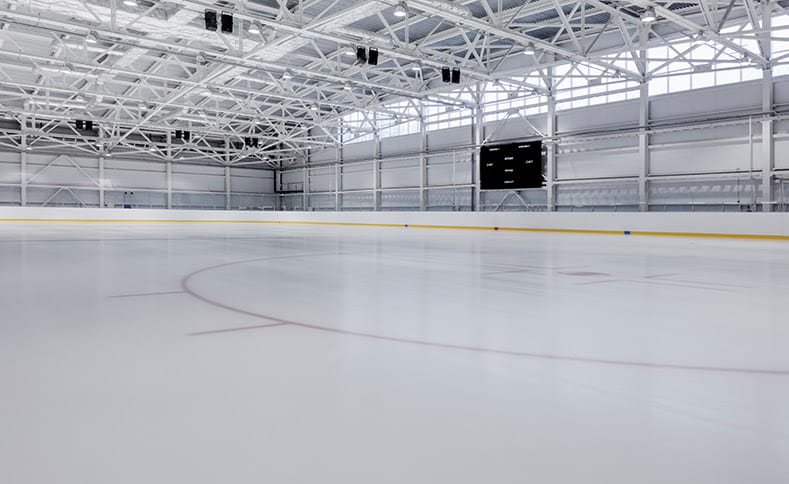
Climate control is another big benefit that deserves some attention. Traditional ice rinks force you to run massive refrigeration systems around the clock just to maintain the ice. Adding any heating or air conditioning means it has to work directly against all that cold, and it turns into an expensive battle that never ends. Synthetic surfaces change that equation completely. Any climate control you install is purely for the comfort of the skaters who use the facility - the surface itself performs just the same regardless of what the temperature is. No more wasting energy to fight against your own refrigeration system, as the skaters generate body heat and doors open and close to let the outside weather in.
You can set the thermostat to whatever temperature feels comfortable. Plenty of places actually run pretty minimal climate control. Your location is going to be a big factor, along with the comfort level you want to offer everyone who uses the space.
A synthetic rink operates on the same basic utilities that any standard building uses - there’s nothing unusual or extra needed to run it. You won’t find any massive refrigeration units working around the clock here. A synthetic surface stays ready to use without any elaborate infrastructure needed to support it. When you have it installed, it just works day in and day out, and it doesn’t demand a steady flow of energy to stay in working condition.
How Much You Can Save on Energy
Electricity costs never go away, and they pile up month after month, year after year. The difference in power usage (and your monthly bill) can be large between a traditional ice rink and a synthetic one. Over the lifetime of your rink, the savings pile up.
Coquitlam in British Columbia gives us a perfect example of this. The facility there was spending the equivalent of $75,000 every year just on energy costs to run their traditional ice rink. After they made the switch to synthetic ice, those energy costs dropped to less than $5,000 per year - it’s $70,000 in savings each year. Most community centers run on fairly tight budgets, so an extra $70,000 annually can go a long way - toward new programs, facility upgrades, equipment purchases and all sorts of improvements that just weren’t in the budget before the switch.

The amount that you’ll save in dollars changes based on the size of your rink. A smaller training facility with just a half sheet of ice will have lower total costs compared to a full-sized community arena. The percentage you save is the same for any size of facility you’re running.
Energy prices in most areas have been going up, too, and this trend doesn’t seem to be stopping anytime soon. What costs you around $75,000 this year could pretty soon jump to $80,000 or $85,000 in just a few years. The difference between what you’ll spend on traditional ice and synthetic ice just gets bigger and bigger. The financial side of this matters when you’re planning for the long term. Saving $70,000 each year comes out to $700,000 over a 10-year period! That sort of money can be reinvested right back into improving your facility, or it can be redirected toward other needs in your community.
Make Your Party Unforgettable
Annual operating costs are a big deal for any facility, and that’s where synthetic ice pays off from a financial perspective. Polymer technology has come a long way over the past few years, and synthetic surfaces can replicate around 85 to 90% of what you get from ice when you’re skating on it. Places all over the country are looking at that small gap in the skating quality and comparing it to the big savings on their energy bills, and plenty of them are finding that it’s well worth the minor difference. Lower operating costs along with a much smaller environmental footprint - and it’s a combination that makes sense to a lot of communities.
Recreation centers, schools and community programs are starting to treat synthetic ice as their first choice instead of just a backup option. Most of these places have been stuck paying for the refrigeration systems all year long, and as budgets continue to shrink, the utility bills start pulling the money away from other programs that really need it. Synthetic ice gives them a practical way to run their skating programs without the same financial pressure that comes with running a traditional ice rink.

At Jumper Bee, we’ve been working with families and businesses all over the Dallas-Fort Worth area for years, and our whole focus centers on making party planning easy without a premium price tag. Our rental inventory covers everything you’d expect - water slides, arcade games, inflatable bounce houses, carnival games and a few other options to match whatever style you’re going for.
Events can be stressful enough on their own, so if you want to create something memorable without adding to that stress, reach out for a free quote. We’ll help you put together something that your guests will actually remember!
Leave a comment
Be the first to share your thoughts.