
 By James Parsons
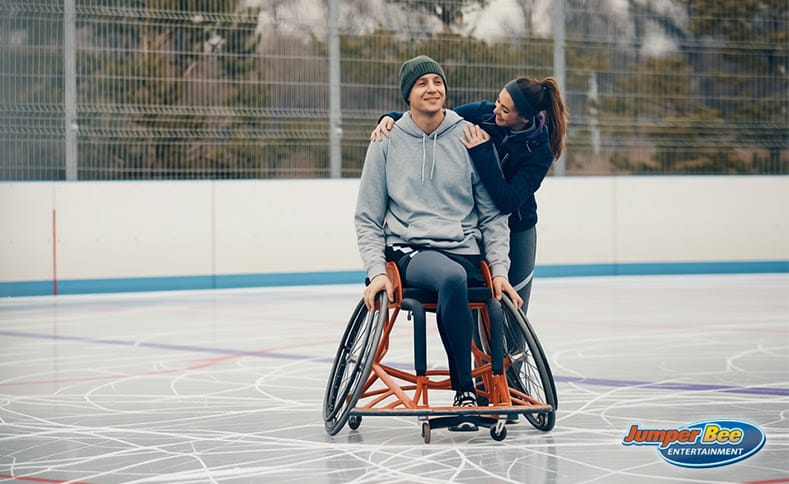
When you rent an ice rink in Texas for a private event, you have plenty of different pieces to coordinate - the date and time, catering, insurance, liability waivers and so on. One question that facility operators and event hosts don’t always ask themselves is whether accessibility laws still apply when a private group books out the entire rink. This actually matters quite a bit because if you get it wrong, you could run into federal complaints and expensive fines that will hurt your reputation and cost you a serious amount of money.
Ice rinks are classified as public accommodations under Title III of the Americans with Disabilities Act, and what this actually means is that the same accessibility standards apply during private bookings just as they do during the normal public skating hours. A corporate group might rent the ice for a team-building afternoon, or a family might book it for a birthday party celebration - in either case, the accessibility standards stay the same. Renting out the facility on a private basis doesn’t exempt the venue from any of these.
Texas actually has its own set of standards that work alongside the federal ones. The state finished the Texas Accessibility Standards in 2012. Violating them means you’re looking at fines between $500 and $5,000 - it depends on whether you’ve had violations before. Law firms out there file thousands of ADA cases each year (one group in California alone filed 2,598 federal cases in 2024), and if you ignore accessibility, you could be looking at some serious legal problems.
Let’s talk about what the ADA standards mean for your ice rink event in Texas!
ADA Laws Apply to All Rink Events
Ice rinks are what federal law considers “places of public accommodation,” which is the legal term for businesses that are open to the general public. Movie theaters and bowling alleys also fit into this same category, and the classification actually matters quite a bit in terms of what your facility needs to follow for accessibility.
Title III of the Americans with Disabilities Act is what applies to entertainment venues like roller rinks and ice skating rinks. Something that confuses some business owners is how this law categorizes your business (it’s based on the type of facility you run - not on who happens to be skating there at any particular time). A family could rent out your entire rink for a private birthday party, and that’s perfectly fine and allowed. But it doesn’t change what your facility actually is in the eyes of the ADA. Your skating rink stays classified as a public accommodation even when a private group has rented it out for the afternoon.
Plenty of rink owners think that private rentals somehow give them a pass on accessibility standards. But the law doesn’t work that way at all. The obligations don’t vanish - they stay with the ice rink no matter who happens to be on the ice at any given time. What matters is what the business is and how it operates every day.
Here’s another detail about how this works. When the ice rink originally opened for business and started welcoming the public, it made a legal commitment. That first choice to run as a public venue is what triggers the ADA standards. Once the rink has opened as a public business, a temporary rental agreement doesn’t have the power to undo that designation or suspend any of the accessibility responsibilities that go along with it.
For your rink, what this actually means is that you’re going to need to follow the same accessibility standards during a weekend birthday rental that you already follow during your regular public skating hours. Your parking spaces and entrances need to be accessible to everyone. The restrooms have to meet ADA standards. Your seating areas need to work for guests with disabilities, too. It doesn’t matter who happens to book the space or what type of event they’re having - these stay in place every time.
Required Access Features for Your Rink
Ice rinks in Texas have to comply with the ADA for their public spaces. The parking lot has to be accessible, the restrooms need to meet certain standards, and the seating areas have to be configured correctly. Any area where families will be when they come to watch their kids skate falls under these accessibility standards.
Seating follows the same standards. At least 1% of the seats in the facility have to be wheelchair accessible. Families want to sit together and watch the action on the ice, and accessible seating makes that happen for everyone. The wheelchair-accessible seats also need to be spread around the different sections of the venue. This gives wheelchair users a genuine choice between different price levels and viewing angles, just like any other fan at the game.
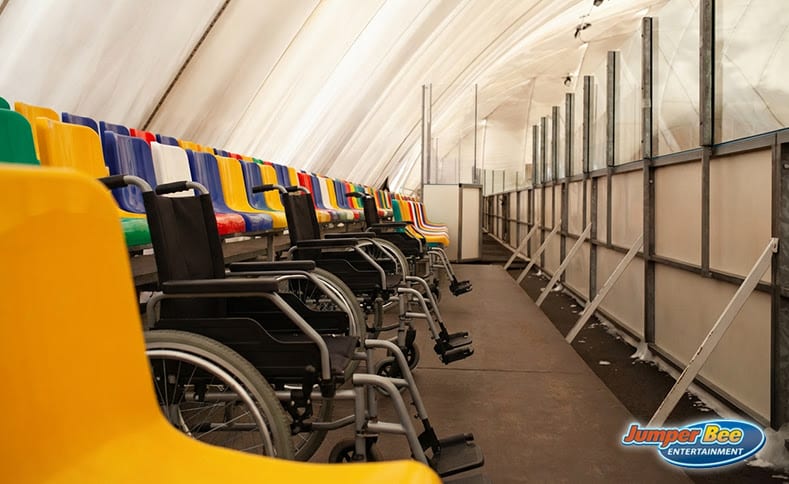
The restrooms and concession areas need more attention, too, with accessibility standards that are just as important. Inside a restroom, wheelchair users need to have enough space to comfortably move around and turn their chairs without bumping into any of the walls or fixtures.
Ice rinks in Texas actually face different accessibility standards depending on when they were originally built. Any facility that was constructed before 1992 is going to be subject to slightly different standards than the newer rinks that came along after that date. Older rinks still must remove barriers in any situation where it’s reasonably possible without having to gut and renovate the entire building.
This all matters for private event rentals because wheelchair users might want to attend and watch during private bookings like birthday parties. Wheelchair users get the same accommodations during those private events as they would during the normal public skating hours. The ADA stays in effect if the rink is open to the public or if a group has booked it for a private party.
Tools and Equipment for Ice Access
Ice creates problems for wheelchair users and anyone who deals with mobility challenges on a day-to-day basis. Property owners and facility managers can’t ignore their legal obligations when winter weather arrives - even though the ice makes it harder to make sure that the pathways stay safe and accessible for everyone. Rinks also need to provide access to all their viewing areas so everyone can watch the action on the ice. The benches and penalty boxes should be accessible too, whenever the building’s layout can accommodate that. The idea is to bring everyone in - so they can participate in the experience and feel like they’re part of the game if traditional skates aren’t an option for them.
A few skating rinks in Texas have started to stock ice sleds and other adaptive equipment for their visitors. When the right tools are available, it matters to those with disabilities who want to skate. These adaptive options let them get out on the ice and join in on the fun themselves.
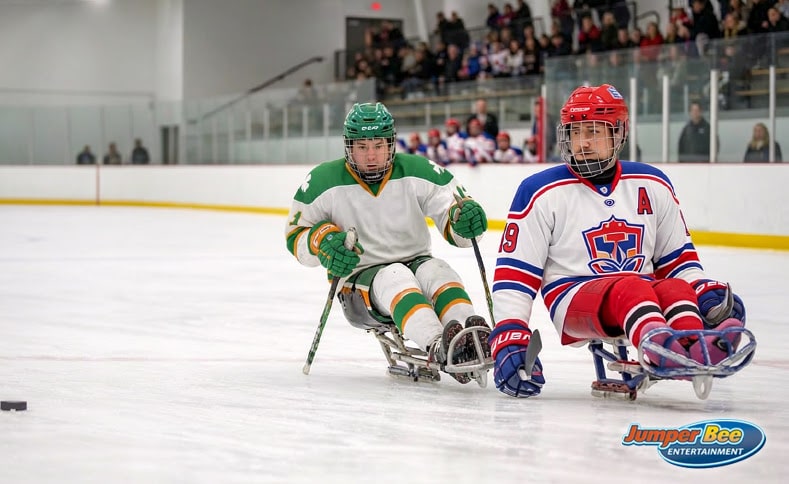
Ice activities and ice-based recreational places need to follow the same accommodation standards as every other recreational space. Ice does create some physical barriers that aren’t simple to work around (I’m not going to pretend otherwise). But these places still have to work to include those with disabilities in their programs and events.
The instructors get extra training, and they use adaptive equipment to give those with all different abilities a shot at ice skating. With the right setup, ice skating can be accessible to many more skaters. Being an ice rink doesn’t give a facility any pass on what’s expected for accessibility. All rinks need to go through each part of how they operate and make accommodations for everyone who wants to skate, participate in programs or just show up and watch the games and events.
Your Duties as the Event Host
The rink operator remains responsible for most physical accessibility standards when you rent out an ice rink for your event. The pathways need to stay open, and any accessible features that are already installed have to work as they should. When you rent the space for a birthday party or tournament, that doesn’t change - they still have to meet these standards, no matter who’s in the facility.
Event organizers have some responsibilities on their end, too. Renting a venue gives you the freedom to set up the space any way you’d like. Just remember that if your tables or decorations block a wheelchair path, that turns into a problem for you to solve. How you actually run the event matters too.
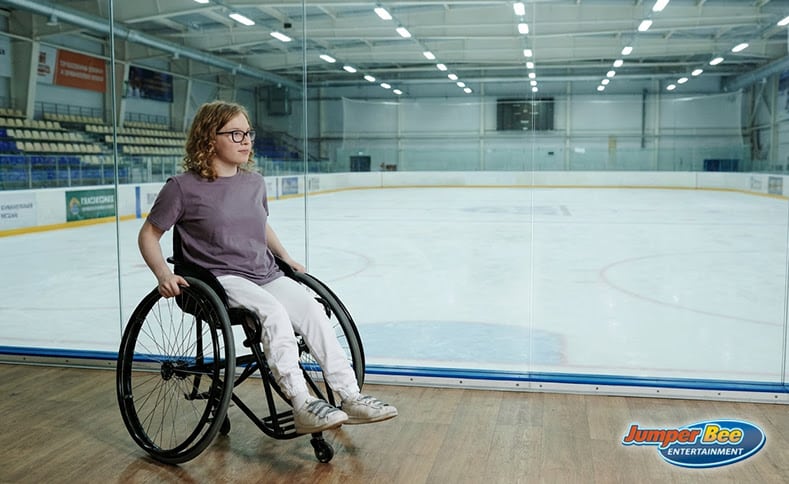
Birthday parties at the rink usually have at least a few announcements over the loudspeaker - cake time, favorite songs, maybe a group photo. Guests who are deaf or hard of hearing won’t have access to any of that audio information, so they’ll need to receive it differently. Written updates posted near the rink entrance work well for this, or you can designate a staff member or volunteer to check in with them periodically throughout the event. As the event host, this responsibility falls on you to set up and coordinate.
Accommodation requests will come up during your events from time to time, and most of them are fairly easy to handle. A guest might need a chair brought down to the rinkside area because standing for long stretches just isn’t manageable for them. A parent could ask for the activity instructions in written form because their child absorbs information better when they read it themselves. Most of these will take a bit of coordination between your rink staff and the event organizer to pull off successfully.
You and the rink share equal responsibility for accommodating guests with disabilities, and both sides need to take care of their part to make sure that everyone can participate and have the same experience - it’s a collaborative effort, and it takes planning and communication to get it right.
Texas Has Resources for ADA Compliance
The Americans with Disabilities Act is a federal law, and it means every state in the country has to follow it. Ice rink operators in Texas actually have access to some useful resources that can help them comply with ADA standards without getting lost in the confusing legal language. The Texas Department of Aging and Disability Services has documents that explain everything in plain language instead of confusing legal terms. These materials were created specifically for Texas businesses, so the information applies directly to the challenges and situations that you’ll probably run into as a rink operator in the state.
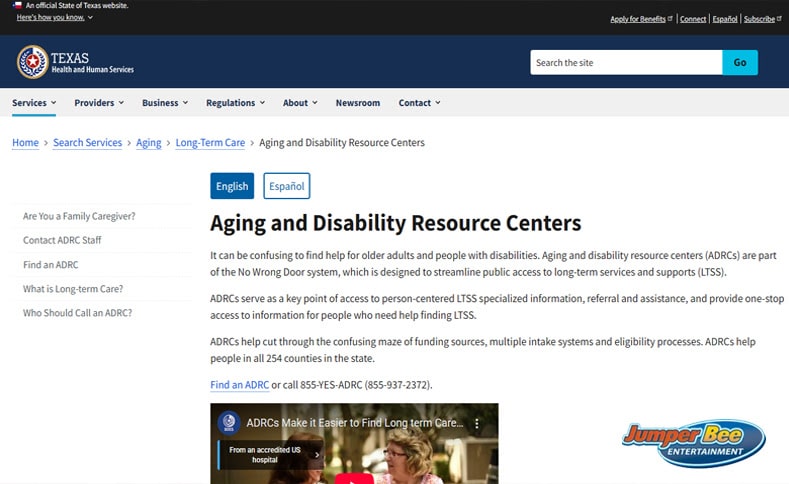
Disability advocacy groups throughout Texas will usually team up with ice rinks to go through the building and review them for accessibility compliance. These partnerships can be a big help for rink owners because they help find problems that might come up much earlier, long before they escalate into expensive renovations or legal complications later. During an audit, the advocacy team will go through your entire facility and review everything - the parking lot, the restrooms, the seating areas and the pathways and transitions in between.
The Southwest ADA Center in Houston is another valuable resource for rink operators in Texas. One of the biggest benefits of this organization is that they give free consultation services to business owners who have questions about ADA compliance. When an unusual situation comes up during one of your rental events, you can contact their team and get some advice on the best way to handle it. What makes them especially valuable is their ability to take all that dense legal language and explain it in practical steps that actually make sense for your day-to-day operation.
Retrofitting after you’ve already finished construction or renovation means that the costs for that work will add up very fast. The Texas resources I’ve mentioned are designed to help you build accessibility into your project from day one. With the right planning, your rental events can accommodate everyone who wants to attend, and you won’t be stuck scrambling to make last-minute modifications for guests with disabilities.
Make Your Party Unforgettable
You won’t need to take care of all this on your own, and that’s a big deal because Texas has actually developed a pretty strong network of resources to help businesses meet these accessibility standards. The state has technical assistance programs and consultation services that can talk you through the entire process and help you find out what works for your goals. These programs are designed to be affordable and practical, so you won’t be forced to drain your budget or restructure how you operate just to stay compliant.
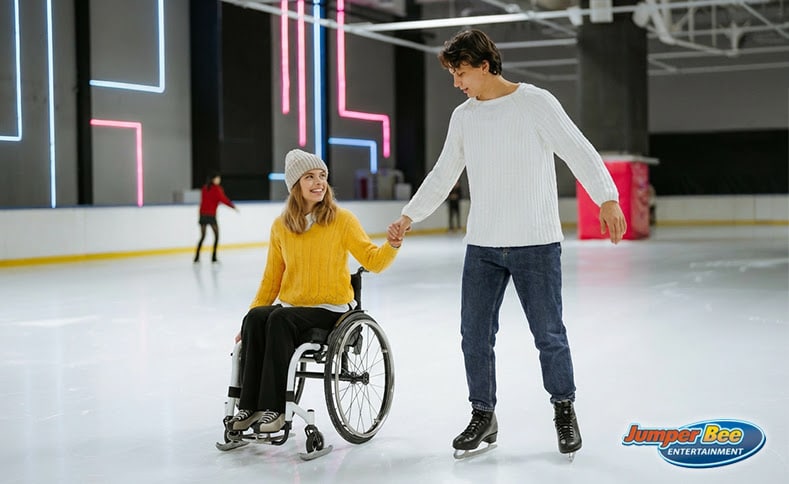
Parties and events take plenty of work to pull off if you want to create something memorable for your guests. At Jumper Bee, we’ve been helping families and businesses across the greater Dallas-Fort Worth area do just that, and we stock just about everything that you could need to make it happen. Water slides, arcade games, inflatable bounce houses, carnival games - we have it all and plenty more. Birthday parties, corporate events, school functions or just a fun weekend celebration - we’ll help you put together something great. Contact us for a free quote, and we’ll help you get started!

Leave a comment
Be the first to share your thoughts.