
 By James Parsons
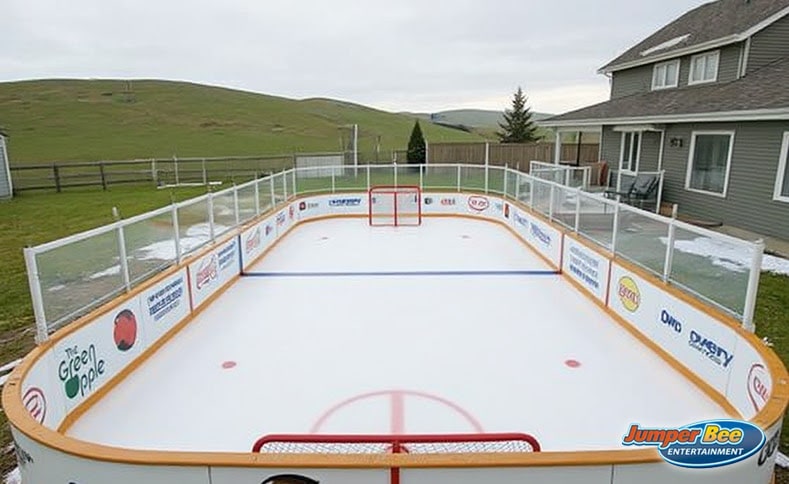
A backyard hockey rink or a place to teach your kids how to skate right at home would be great, and plenty of Texas families want just that. The problem is that the weather down here just doesn’t cooperate. Summer temperatures usually climb past 100 degrees, and even during the coldest months of winter, we hardly ever get anything close to a hard freeze that would help ice stay frozen.
Portable rink systems are all over the internet now, and maybe you’ve wondered if one could actually be installed in your yard, even with the Texas heat. The measurements might work out just right for your space, and dozens of different rink options are available. The challenge is that every manufacturer seems to have different claims about temperature limits, and the power requirements change wildly from one system to another. When you’re thinking about an investment of a few thousand dollars, those conflicting facts make it hard to know if you’ll get a functional rink or just extremely expensive equipment that sits unused in your garage.
The physics of ice in Texas are pretty unforgiving, and I see families underestimate this all the time. A refrigerated rink system that has to maintain ice when the ambient temperature is 95 degrees is going to work very hard, and all that cooling shows up on your electric bill in a big way. Still, plenty of Texas families have found ways to make backyard rinks work! The best strategy is to choose the right type of system for our climate and stay strategic about when and how you use it.
Here’s how to bring some winter fun to your Texas backyard!
How Texas Heat Affects Your Ice
Setting up a portable ice rink in Texas will run you into some pretty big challenges with the weather. The heat down here is relentless, and it barely lets up for most of the year. Even during December and January, when other states are seeing snow and freezing temperatures, many parts of Texas still see the thermometer hit 70 degrees during the day.
All that heat means a very big energy demand for the system, and I’d say most operators have no idea just how bad it gets. Every degree above freezing means your refrigeration system has to work that much harder to stop the ice from melting. To put this in perspective, when the temperature hits 85 degrees outside (which is pretty normal for Texas), your system is going to need to remove about 50 BTUs per square foot each hour just to stop that ice from melting. But up in Minnesota on a mild winter day, a rink owner might only need to deal with 15 BTUs per square foot to get the same ice quality.
The math only gets worse when temperatures start to climb, and in Texas, we all know that they will. Once you hit 95 degrees (and that’s just a typical summer day around here), you’re going to need 70 BTUs or more per square foot to keep that ice frozen. All that extra cooling power has to come from somewhere, and it’s why your electric bill could run you triple or quadruple what a rink owner in a northern state would pay for the same setup.
Humidity is going to be another big headache you’ll have to deal with. Texas air holds a tremendous amount of moisture, and it gets even worse anywhere near the Gulf Coast. All that moisture in the air is going to want to condense right on your cold ice surface, and pretty soon, you’ll have a layer of water sitting on top. What you get is soft, mushy ice that cuts way too easily and needs resurfacing all the time just to stay skateable.
Commercial rinks in Dallas and Houston are fighting these exact same problems every day of the year. To combat the humidity, they have to run extremely strong dehumidification systems right alongside their refrigeration units, and they spend a fortune on the right type of insulation to cut down on the heat coming through the walls and roof. These places are living proof that you can keep quality ice even in the Texas heat.
A backyard rink is going to run into all the same physical challenges, just on a smaller scale. At the end of the day, what you need to figure out is whether you’re prepared for the energy requirements and have the right equipment to handle these conditions.
Two Types of Ice for Your Rink
Portable ice rinks have become increasingly popular in Texas, and if you’re ready to bring hockey practice to your backyard, you should know about the two main types available. They each work on different principles, and each one has its own benefits depending on what you’re after.
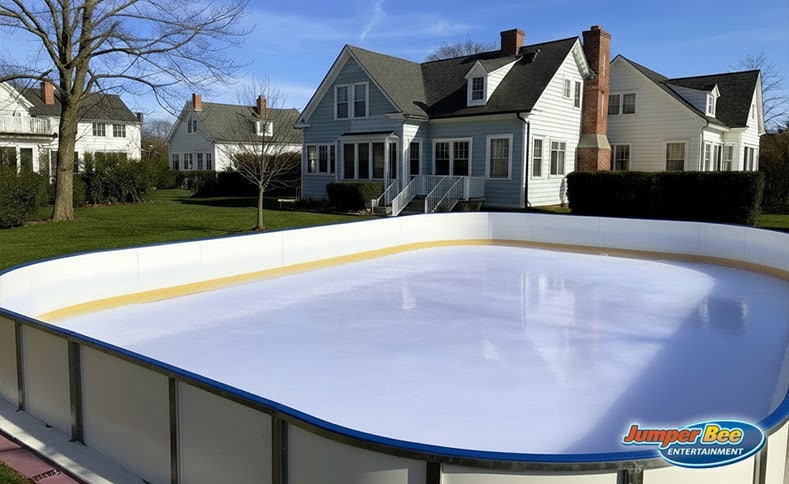
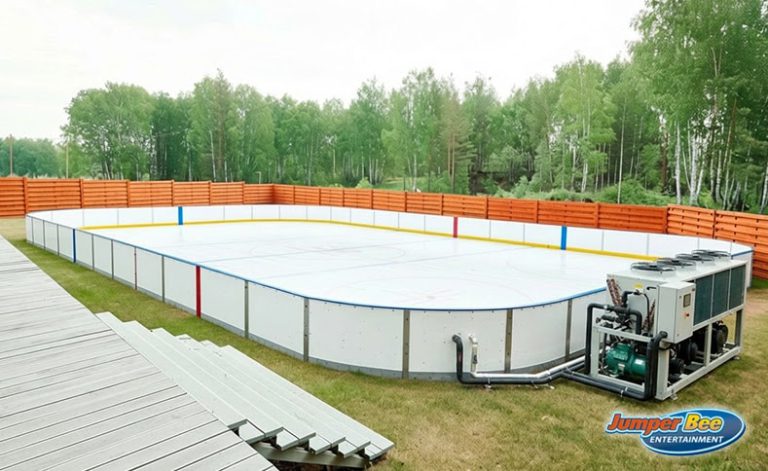
Refrigerated rinks are the genuine article - they produce real ice the same way your local hockey arena does. The setup uses industrial-grade chillers that continuously pump coolant through a network of pipes installed underneath what will become your ice surface. The entire system gets enclosed within insulated boards, and these boards matter because they stop all that cold air from dissipating into the relentless Texas heat. You’ll need access to a 220-volt electrical connection for the chiller unit. One factor that drives up the cost in Texas is the cooling capacity requirement - the chillers have to be much stronger here than they would be in Minnesota or Michigan because they’re always battling outdoor temperatures that almost never dip below freezing, even in winter.
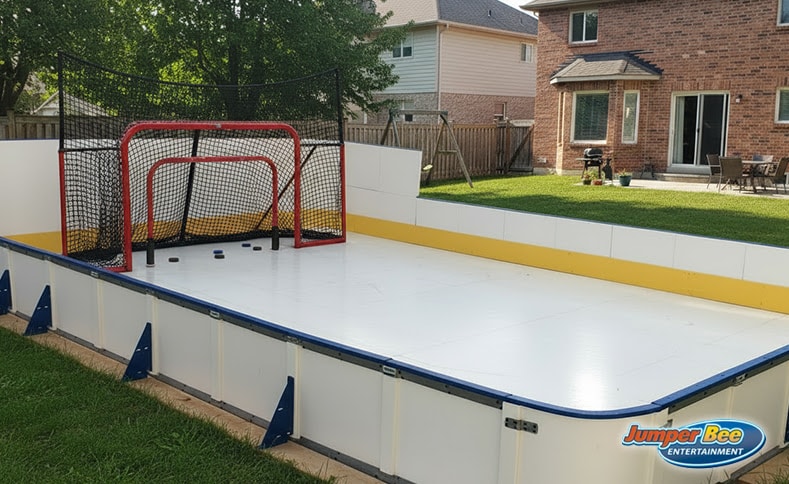
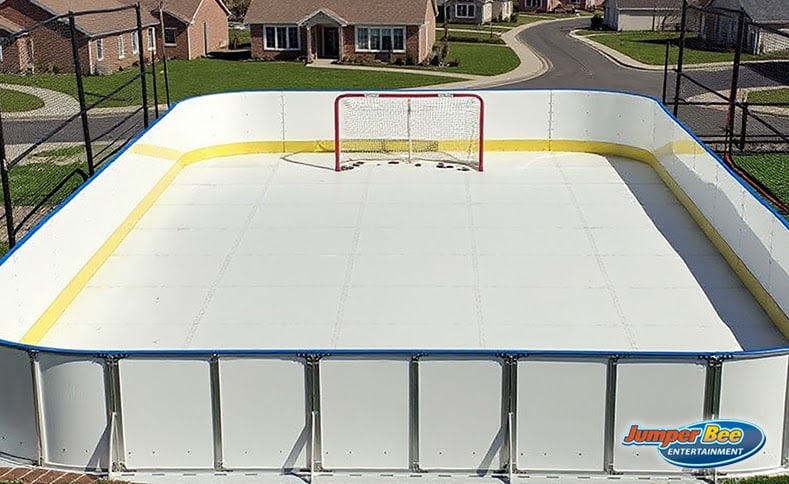
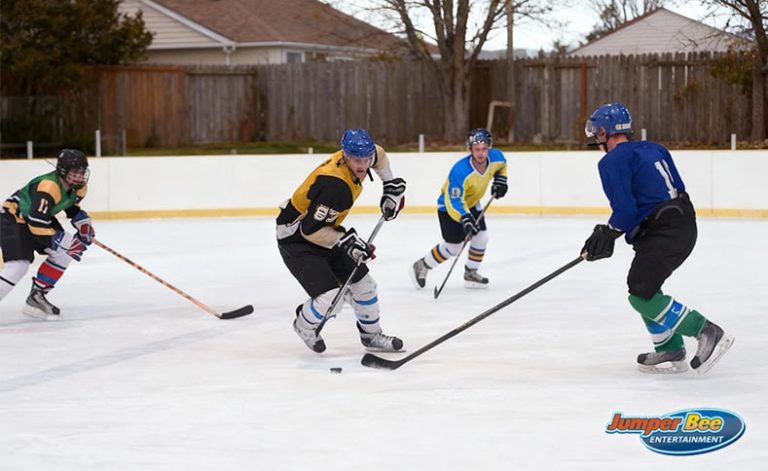
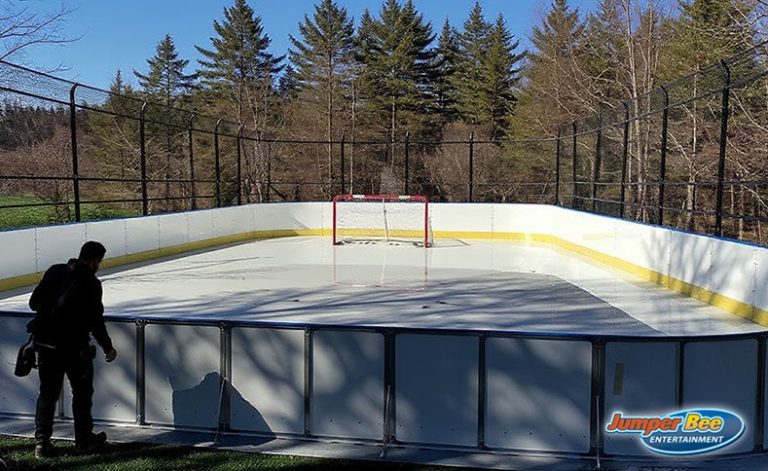
Your other option is synthetic ice, and it’s made from a specific plastic material known as high-density polyethylene. The beauty of these synthetic panels is that they don’t need any refrigeration whatsoever. The manufacturers embed special lubricants directly into the material during production, and these lubricants allow your skates to glide across the surface in a way that closely mimics real ice. The latest generation of synthetic panels gives you somewhere between 90% and 95% of the glide performance you’d experience on traditional ice - quite impressive for plastic! The panels connect together just like jigsaw pieces, and when installed, create one smooth skating surface. Many manufacturers have also developed proprietary coatings that they apply to the panels to cut down on friction even more.
Hockey families throughout Texas are going with the synthetic ice for a pretty simple reason - it performs the same way all year long and won’t send your electric bill through the roof. You can practice your wrist shot or work on crossovers in the middle of August when it’s very hot and the surface feels identical to how it did back in January. Some families do go for the refrigerated rinks, but most of them only run the system during cooler months between November and February. The chillers work much better when they don’t have to fight against triple-digit heat all day long. What makes the most sense for you depends on a few factors - how much you’ll actually use the rink, what your monthly utility budget looks like and if having authentic ice matters enough to manage the extra cost and maintenance.
Space and Power Setup for Rinks
A portable ice rink in Texas takes up quite a bit more space than you first plan for. The minimum you need is about 20 by 40 feet if you want enough room to actually have fun as you skate. Practice areas can definitely be smaller if what you want is to work on specific skills like hockey shots or figure skating spins. Once you start to skate on it regularly, though, you’ll probably wish you’d gone bigger from the beginning.
The ground where you’re planning to install your rink needs to be reasonably level as well. An uneven surface creates all sorts of problems, and skating on a slope gets old fast. Drainage is another big factor to think about early in the planning process because all that water has to go somewhere when your rink melts in the spring. A concrete pad provides the most stable base for your rink, though well-prepared and compacted gravel can work just fine if you take the time to set it up correctly. Refrigerated systems need plenty of electrical capacity to maintain ice in Texas weather. These systems usually need 30 to 50 amp dedicated circuits, and it’s not something that a standard outdoor outlet can support. An electrician will probably need to run new lines directly from your main breaker box to support this type of load.
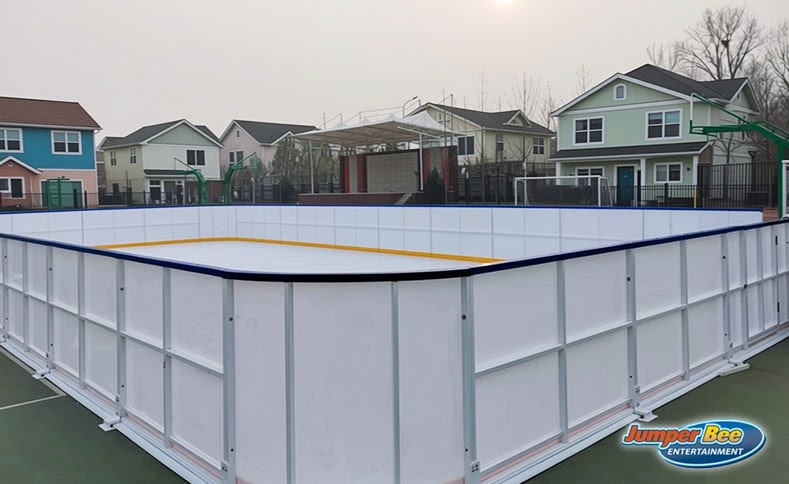
The time it takes to set up your rink depends on the type you choose. Synthetic ice panels are pretty simple and usually come together in just a few hours on a weekend. Refrigerated systems are considerably more complex and usually take a few days to install and bring down to the right skating temperature. Many Texas municipalities have specific requirements for temporary structures like ice rinks, and some care more about the electrical permits than the installation work.
Shade structures are worth the investment in Texas. They can cut your cooling requirements nearly in half, and it makes a massive difference in operating costs. Without adequate shade, your refrigeration unit will run continuously throughout the day, and your electricity bills will show that nonstop usage. The compressor noise from all that continuous operation might also create problems with your neighbors, especially during nighttime hours when it’s still running to maintain the ice temperature.
What You Will Pay Each Month
Money is something we need to talk about right up front because a backyard ice rink in Texas is going to cost you a lot of money all the time. A refrigerated system alone usually runs you anywhere from $15,000 to $40,000, and that’s just for the basic equipment and installation. The part that actually gets to homeowners is when that first electricity bill shows up in their mailbox.
Throughout those brutal Texas summer months, you can expect to pay somewhere between $500 and $2,000 extra on your electricity bill each month - and that’s just to keep that ice from melting into a puddle. To put that in perspective, that’s actually more expensive than what most homeowners around here spend on heating their pools for an entire year. The refrigeration equipment has to run nonstop when the temperature outside is pushing 100 degrees F, and this nonstop battle against nature shows up in your utility costs.
Synthetic ice could be a much better choice for your budget and your sanity. For a pretty decent 20×20-foot rink, you’re looking at about $3,000 to $5,000. After that first payment, your monthly costs drop to almost nothing. There’s no electricity needed to keep it frozen, no water bills for resurfacing and minimal maintenance over the years. Some families decide to go with refrigeration trailer rentals for particular occasions instead of permanent installations. These usually cost between $500 and $1,500 per day and work pretty well if you just want a rink for a birthday party or maybe a holiday celebration. The math doesn’t work out, though, if you want to skate on any regular basis - those per-day rental fees add up very fast.
Homeowners also face additional costs that nobody mentions at the start. Water bills increase because you need to resurface the ice all the time. The Texas humidity creates its own set of problems, and you might need to buy dehumidification equipment just to keep the ice quality decent. Equipment breaks down since it’s working so hard against the climate, and replacement parts aren’t cheap. Professional maintenance visits become a monthly expense you have to budget for.
A handful of families have become creative with ways to offset these monthly costs. Some of them offer paid skating lessons to kids in the neighborhood, and others rent out their rink for birthday parties and charge a decent fee. These strategies can help with the financial burden. But they almost never come close to covering all the costs you’ll face. And if a permanent installation is something you’re thinking about, it’s worth talking to a local estate professional about property value. Most agents in Texas markets will tell you that a backyard ice rink probably won’t increase your home’s resale value, and it might even make your property harder to sell later.
Make Your Party Unforgettable
Backyard ice rinks in Texas might sound a bit crazy. The reality, though, is that you’ve actually got many more options, and each one works for different families depending on what they’re after. Synthetic panels have become popular because they let you skip the whole headache of keeping actual ice from melting when it’s 90 degrees outside. But plenty of other families are fine with authentic ice and just run their systems when it’s cold enough in the winter months for everything to work right.
Texas families all over the state have already started to build these rinks, and so now they have their own personal ice skating setups just a few steps from the back door. The trick to making it work is to go with the weather instead of trying to fight against it all winter long. And the ability to just walk outside and skate whenever you want makes all the extra maintenance worth it. Most families who’ve built one will tell you that you should start small with your first rink. You can always make it bigger next year once you can see how much everyone’s actually going to use it. A smaller rink also gives you a chance to learn the maintenance process without feeling overwhelmed by a massive setup from day one.
Building a backyard ice rink in Texas takes some creativity and determination to pull it off. Synthetic panels are great because they let you skate all year long, no matter what the temperature is outside, and refrigerated systems give you that actual ice experience during the cooler months when the Texas weather cooperates. These two options are going to create memories that your family will talk about at every holiday party for the next 20 years.

At Jumper Bee, we’ve been helping families across the Dallas-Fort Worth area turn their everyday backyards into wonderful entertainment spaces for years. Our inventory has everything you’re looking for - massive water slides, classic arcade games, bouncy castles, carnival attractions and a whole lot more.
Contact us to get a free quote and let us help you throw an event that everyone will remember!
Leave a comment
Be the first to share your thoughts.