
 By James Parsons
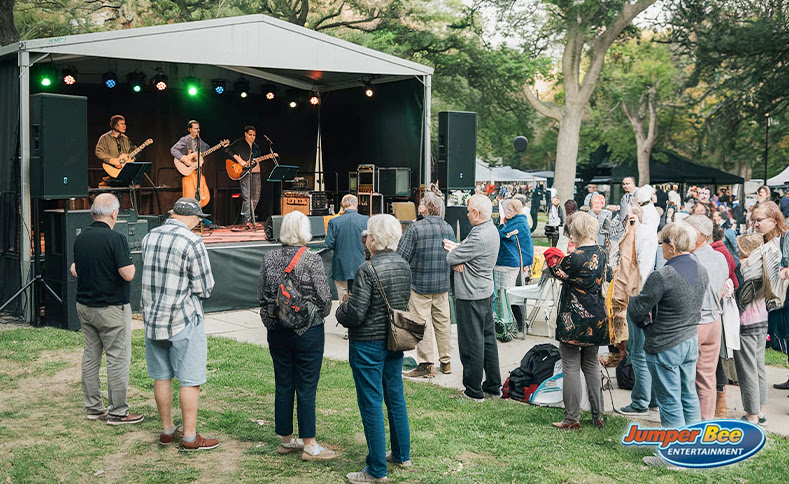
Dallas and Fort Worth may share the same media market. But these two cities actually work under completely different noise laws for events. An event noise permit is your official permission to make more sound than you normally could for a specific time and place - it’s the paperwork that makes your event legal. Fort Worth alone deals with hundreds of outdoor events each year, and if you break the laws, you could quickly end up paying fines of $500 per incident.
If you get caught without the right permits, you’ll have to pay fines that could blow your entire event budget. Each city processes applications on its own schedule, and they’ve each got their own requirements that you’ll need to follow.
How Each City Handles the Event Permit Process
Dallas and Fort Worth handle event noise permits in completely different ways. If you’re planning an outdoor event, you need to know the laws for whichever city you’re in. Plenty of event organizers run into problems because they assume the laws are the same in both cities. The two cities take completely different approaches.
Fort Worth updated its noise ordinance last year to spell out when you need permits and what the noise limits are. If you’re planning an outdoor event on private property and you expect more than 500 people to show up, you’ll need to get a permit. The city also says you need permits for any public event where you’ll need to close streets or put up temporary structures like tents or stages. The decibel limits in Fort Worth are pretty simple. During the day, most areas let you go up to 70-80 dBA. But once nighttime rolls around, those limits drop down to 60-70 dBA, depending on what kind of area you’re in.
Panther Island now has its own special laws because recent complaints from neighbors led the city to make events end earlier than they used to. These new Panther Island laws have changed everything for dozens of annual events that used to run later into the night. Event organizers now have to wrap everything up by 10 p.m. in areas where they used to be able to go until midnight.
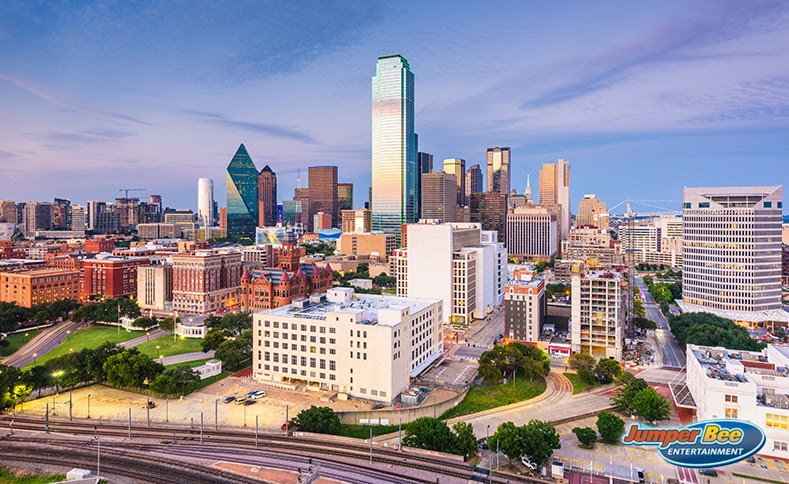
Dallas works under completely different laws and usually needs much more time to process your application. You’ll usually need to turn in your paperwork 90 days before your event, which can throw organizers for a loop if they’re used to other cities where you don’t need as much lead time. When Dallas takes longer to process permits, it creates all kinds of other problems for your event planning. If you miss that 90-day window, you might have to reschedule all your vendors, and you could end up losing the date you wanted. Many organizers don’t find out about this timeline until they’ve already booked their venue, which makes everything more complicated.
Fort Worth charges a flat $300 fee for most event permits, while Dallas calculates your fee based on how big and complicated your event is. When you’re putting on a bigger event, Dallas can end up being much more expensive. The two cities will waive fees for schools, churches, and some events the city sponsors. But each city has its own different categories for who gets these exemptions.
The biggest difference between the two cities is how they define what counts as “audible from the street” noise violations. Fort Worth’s 2024 update made this definition much clearer, which helps both event organizers and neighbors know what’s too loud.
What You Need for Event Permits
The whole permit process is really a countdown that starts way earlier than most people expect. Fort Worth wants you to file your paperwork as much as 210 days before your event if you want to put on something big downtown. That’s seven months of lead time just to get the city on board with your plans.
You’ll need to send in a written application to the Outdoor Events Manager and pay a fee that won’t come back to you even if your plans fall through. That fee stays with the city no matter what happens. Then comes the pre-event meeting, where you sit down with city staff to go through all your plans. That’s where you find out if your noise mitigation strategy will actually work or if you need to rethink the whole setup.
The paperwork pile gets thick pretty fast. You need event plans that spell out every single detail about your amplified music setup. You have to notify all of the property owners around your venue about what’s going to happen. These neighbor notifications go into your official record with the city. Insurance requirements kick in, too - the city wants to know someone will cover any problems that might come up.

Dallas uses a similar pattern but keeps things a bit more flexible with timing. You still need to get all your information together first, then submit everything along with the processing fees. The review process looks at your noise plans just as carefully as Fort Worth does.
What catches people off guard is when a bunch of departments get involved. Police need to sign off on your plans, fire officials want their say, and traffic control turns into its own separate issue.
When you have multiple departments involved, that means multiple approval cycles for your event. Each department works on different schedules and has different concerns about your noise plans. Your timeline ends up depending on whichever department takes the longest. If you miss even one signature, you’ll have to start over with amended paperwork.
How to Keep Your Event Noise Under Control
Most of the time, event noise problems come up because organizers don’t think about planning ahead. If you don’t plan everything out, you might get complaints that cause your event to get shut down right in the middle of a performance. The great news is that you can prevent most of these problems by positioning your speakers away from nearby homes and apartments. When you angle your sound system toward the center of your event space, it naturally brings down the volume that reaches residential areas.
Maybe you should install decibel limiters on your mixing boards to keep sound levels in check automatically. These devices stop your audio from going over preset limits even when performers get excited or sound engineers make mistakes. Fort Worth’s Main Street Arts Festival uses directional line-array speakers that help them stay under 75 decibels at property lines.
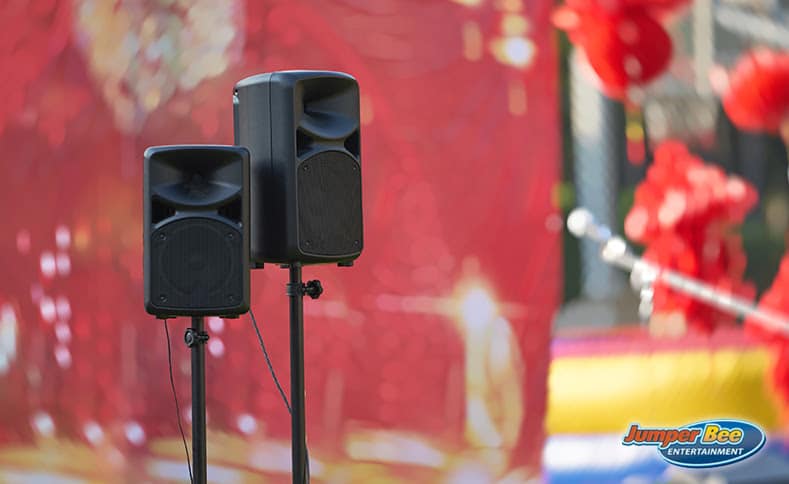
Try to schedule your loudest performances before 9 p.m. to respect neighborhood quiet hours. Breaking these laws late at night can mean immediate shutdowns and expensive fines. Most cities get stricter about noise levels after this time - and you’ll definitely get fewer complaints from residents who are trying to get ready for bed. Be sure to let your performers know about local sound limits before they take the stage so they know what to expect.
Community outreach changes how neighbors feel about your event. When you reach out ahead of time, you can actually turn people who might complain into supporters. Drop door-hanger notices at nearby homes a few days before your event that explain the timing and include a contact number for questions. Some organizers even set up text alert systems to give neighbors updates about noise levels or schedule changes.
Make sure someone stays on site with a handheld decibel meter to check sound levels during your event. This person can make quick adjustments before noise turns into an issue. Sound blankets and noise modeling software can also help you predict and control how far your sound travels.
What Really Happens with Event Permits
You’ve probably heard some of the horror stories out there. The parade that ran too late, and the police had to shut it down. The rooftop party where neighbors called 311 so much that the whole event had to end early.
Let me show you what really happens when events take care of their permits the right way and when they don’t. The Fort Worth Main Street Arts Festival is a great example of how filing your paperwork early can save your whole event. They file their noise permit application months before the festival starts, and they include sound maps that show exactly where all of the speakers will point. What really makes the difference is how they plan to keep the noise down. They put all of their sound equipment away from where people live, and they bring in certified sound engineers who monitor the noise levels throughout the entire day. When neighbors do call in with complaints, the city already knows what’s going on because the organizers explained everything ahead of time.
Sound engineers will cost you extra money. But they keep you from being shut down. Your event budget might take a small hit at the start. Most certified engineers charge somewhere between $200 and $400 to monitor your event for the whole day.
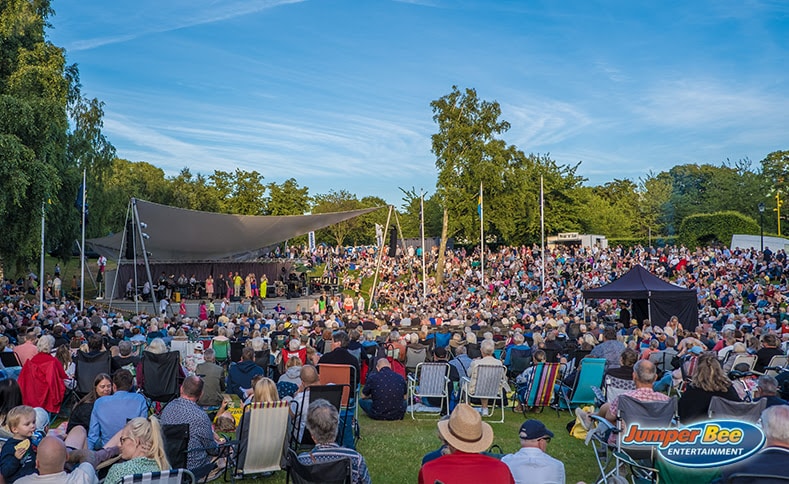
You can compare that to what happened at a downtown Dallas block party last summer. The organizers didn’t get any permits at all. They thought they could just hold their event for a few hours without anyone caring. However, they got multiple noise complaints within the first hour, and they had to shut everything down before the main act even got on stage.
The main difference here is about Fort Worth’s updated noise ordinance from April 2024. The city doesn’t even have to measure how loud your event is anymore to say if you’re breaking the law. If neighbors think it’s a nuisance, that’s enough for the city to take action against you. This leaves event organizers in a tough spot because what your neighbors think now matters legally. Just one complaint from someone who’s not in a great mood could ruin months of planning.
The ordinance covers all outdoor events that use amplified sound, no matter how big or small they are or how long they last.
The Complete Checklist for Your Event Permit
Fort Worth recently added new requirements that make the permit process much more involved than it used to be. You’ll now have to submit a full checklist when you apply for your event permit. These changes apply to every outdoor event in the city. If you skip any parts of the application, you’ll get an automatic rejection with no chance to fix it. The timeline for being approved has become quite a bit longer, so you’ll need to start your planning a few weeks earlier than you probably did in the past.
If you want to use amplified music at your event, your noise plan needs to be very thorough. The city won’t accept vague descriptions anymore. Fort Worth needs to see exactly how you’ll control any noise that might reach nearby businesses and homes. You can’t just write, “We’ll keep the volume under control,” and expect that to be enough. Sound violations can shut down your entire event within a few hours. The city keeps track of complaint patterns from previous events that have been held at your venue. The reputation you build with the permit office matters - one event with big noise problems can make it much harder to get future applications approved.
The site plan requirement has become specific as well. You’ll have to show the exact direction that every amplifier and loudspeaker will be pointing. Also, be sure to mark where your generators will be located because that humming sound can really bother neighbors, especially at night.

Your checklist will also need to include your emergency plans and safety measures. The requirements include much more than most people expect when they first look at the application. This includes arrangements for fire services, police coverage, how traffic will flow around your event, and where your attendees will park their cars. Fort Worth PD usually requires six officers for every 1,000 people you expect will come to your event. You should print a few extra copies of all your documents because spilled drinks and unexpected rain have a way of ruining paperwork at the worst possible time. Budget for renting sound meters, too - some events need to monitor their decibel levels throughout the night to make sure they stay within the legal limits.
Something plenty of event organizers forget is the noise that happens after the event ends. If your cleanup crews are making too much noise at 2 a.m., you can still get cited for violating noise ordinances. You should plan your teardown schedule to work around those late-night quiet hours, or you might get complaints even after your event has finished.
Make Your Party Unforgettable
When managing noise laws for your events, there are three main principles that will keep you on the right side of the law and the right side of your neighbors. When you document your sound plans, it shows officials that you mean business. And if you keep your neighbors happy through open communication and sensible volume levels, you can stop complaints before they even start.
When you have your sound documentation ready to go, it shows professionalism when officials review your permit application. And here’s something to remember - neighbor complaints can shut down your event faster than any written regulation ever could.

Fort Worth updated its ordinances in April 2024, and city laws are always changing. These changes happen without much warning. In 2026, they might change the hours or adjust the decibel limits - which is why your planning process needs to be flexible enough to handle these updates. Following the regulations doesn’t have to limit your creativity or make your celebration any less fun.
If your permit gets denied, you’ll end up scrambling to find backup venues that charge premium prices. Your guests are expecting the celebration you promised them months ago. And those municipal fines can get expensive fast when violations start to pile up - sometimes more than your entire event budget.
You should double-check the official city pages for Dallas and Fort Worth before you finalize any of your event plans since requirements can change, and there could be certain exemptions that apply to your situation. And speaking of creating memorable celebrations that respect community standards - we’re the party rental authority in the greater Dallas-Fort Worth area! We have everything from water slides to arcade games, inflatable bounce houses, carnival games, and everything else you need. Get in touch now for a free quote and make your next party unforgettable with Jumper Bee Entertainment!


Leave a comment
Be the first to share your thoughts.