
 By James Parsons

You’ve found the perfect hill-country venue, the food trucks have confirmed, and the band is ready to test their speakers - then someone asks for your permit number. Uh oh.
In Texas, this straightforward question can decide if your event happens or if the sheriff shows up to shut it down. Every city from Dallas to El Paso creates its own regulations, so your first phone call shouldn’t be to a caterer - it should be to City Hall. You’ll learn about important details that don’t appear on standard checklists - who deals with traffic when Main Street closes at dusk, how much noise you can make after sunset, and if you need a fire prevention plan during an August drought.
You’ll want to contact three main departments first - city permitting, the fire marshal, and the police events unit. Each has its own process - one needs your tent measurements, another wants to know how many fire extinguishers you’ll have, and the third asks for a security staffing plan. When you gather all this information at one time and share it with everyone involved, you can cut a few days from the approval process.
We handle these kinds of permits all the time when we help our customers out with their events. Let’s talk about how these fees, deadlines, and insurance policies work!
When Do You Need a Permit?
You need to handle a system of local permits well before your first guest arrives when planning an outdoor event in Texas. Crowd size is the first hurdle you’ll encounter. Most cities draw the line at 500 attendees, though some lower this number when alcohol enters the picture. Your usual family reunion might suddenly fall under the same guidelines as a music festival once your guest list expands. You can prevent last-minute surprises if you check the city code at the beginning of your planning process, particularly when your relative’s enthusiastic inviting pushes you over an unexpected threshold.

Traffic changes demand their own set of approvals. Any time you need to close a street, change a lane, or put up a few “No Parking” signs, you’ll end up working with transportation officials. Their processing timelines hardly ever match what event planners expect - you should build in a few weeks instead of days for approval. Transportation departments want to make sure drivers can still get around town. The process tends to catch first-time organizers off guard when they think a neighborhood block-party request would move through the system fast based on community spirit alone.
You’ll encounter more permit challenges when you add food to your event. If you provide even a small queso bar for free, the health department may want to check your refrigeration setup. You trigger yet another review process when you sell food instead of giving away samples. Local governments genuinely care about food safety, so expect inspectors to examine your menu items, hand-washing stations, and serving temperatures regardless of how casual the whole event feels to you.
Some event elements immediately raise red flags with permit offices - large tents, fireworks, and music systems all qualify. Austin is different here - gatherings with 50 or more people on any property need a full set of permits, even when you’re just bringing a karaoke machine to the park. Experienced event planners know not to assume that relaxed guidelines in one city apply everywhere else. Such awareness helps them prevent last-minute schedule changes.
Your event might end before everyone has arrived if you skip the necessary permits. The fines add up very fast, and officials don’t think twice about shutting everything down while guests are still parking. You should view the paperwork as protection - a temporary inconvenience that shields your months of planning from a sudden shutdown that ruins everything.
How to Prepare Your Application
Most Texas cities ask for your outdoor event permit application 30 days before your event happens. You’ll need even more time - anywhere from 60 to 90 days - when your plans include street closures, pyrotechnics, or anything that puts extra pressure on city services. You should mark these dates on your calendar before you start booking vendors.
Your budget will feel the effects in big ways, too. At a glance, Fort Worth’s $300 fee might look like a great deal until you check out Austin’s variable pricing or learn about Dallas’s extra charges for serving alcohol. These different fee structures aren’t designed to catch you off guard - they’re based on how each city manages police staffing, trash cleanup, and fire department coverage. If you calculate these costs early in your planning, you can better determine if that downtown location or neighborhood park actually makes sense for what you want to spend.
The application process isn’t as challenging as it seems. You’ll usually fill out forms that cover the basics - who’s organizing, what type of event, when it’s happening, and your expected attendance numbers. Then, you’ll move on to documents showing site layouts, proof of insurance, and traffic management plans. The final stage includes safety inspections for items like fire extinguishers, food handling areas, and electrical connections. Maybe you see each phase like passing a baton in a relay race - smooth handoffs maintain momentum, while mistakes can send you back to square one. When you create and share a complete checklist with your team and vendors, you’ll avoid these communication breakdowns.

Time gives every city department the flexibility to work with you well. Police officers need to arrange staffing, health inspectors need to schedule visits, and vendors need to manage their own permit process. When you submit your materials early, everyone gets the space they need to resolve possible problems before they land in your inbox as urgent issues. If you wait until the last minute, their scheduling conflicts will quickly turn into your emergency.
Even well-planned events run into unexpected challenges - maybe an insurance certificate has the wrong date, or your attendance projections increase after ticket sales take off. Try to build at least two extra weeks into your timeline so any changes feel like normal adjustments instead of emergencies. This buffer time lets you modify your site layout, change a parade path, or replace equipment without sending panicked messages that disrupt everyone’s sleep. Control comes from giving yourself enough time, and the best time to create that extra time is when you first start planning.
Required Documentation Checklist
When you visit Texas City Hall with an outdoor event idea, say you see the staff opening your packet. The first page should be a site plan that reads like a map, not a confusing document. You’ll want to label the stage, vendor row, EMT tent, and all exits - city officials can almost visualize the crowd when your layout is easy to follow.
Your timeline should come right after the site plan - showing load-in at dawn, first guitar chord at 6 p.m., and final trash sweep before midnight. These hour-by-hour details serve a purpose because planners need to coordinate them with police work schedules, road closures, and bus routes. Any misalignment will delay your approval, so double-check that your timeline aligns well with what you’ve shown on your site plan. Nothing feels less interesting about planning an event than liability insurance. But this paperwork helps move your application forward. Without the right proof of coverage, your entire application might sit untouched on someone’s desk. You should make a copy of the certificate, mark the relevant dates, and then move to the next section.
Sound management can determine if your event succeeds or fails. Austin, Fort Worth, and small towns along I-35 all remember nights when music rattled nearby windows. You should include a one-page noise management plan in your packet - listing equipment specifications, cutoff times, and a contact number for neighbors. That Zilker Park concert that earned thousands in fines still influences how cities manage noise permits now.

The application deadlines are hidden in the fine print of city guidelines. Austin needs your full package one month before your event. But Texas City asks for sixty days’ advance. Fort Worth adjusts its timeline based on attendance, so expecting 501 guests might add an extra week to your waiting period. You need to mark these dates on your calendar early. Municipal servers will reject your application if you submit it too late, regardless of how interesting your event lineup seems.
Permit costs change dramatically between locations. Some cities use a flat fee. But others calculate charges for every barricade, officer, and portable restroom separately. Consider calculating all costs before designing promotional materials - unexpected invoices have canceled more festivals than bad weather ever has. Finally, think about alcohol permits. You should completely insert the TABC paperwork into your application package to make sure all location information matches correctly. Just one typing error can get your entire submission returned unprocessed.
When you bring a full package that shows a coherent story - from layout to timeline, safety measures to entertainment plans - most reviewers can process it in a single session. The efficient review represents the closest path to quick approval that public permitting offers.
Permit Variations by City
When you’re planning an outdoor event in Texas, look at city hall instead of the weather report. Every municipality writes its own rulebook - Fort Worth charges a $300 permit fee when you have more than 500 guests, while an hour south, Austin channels everything through its Center for Events, so you can combine forms and payments under one login. Taking that quick detour to the city website saves you from a last-minute scramble.
The policy can change even within the same metro area. Take The Woodlands, for example. If you want to host your event there, you need to build this new expense into your budget and submit your application earlier. The staff will still review safety, parking, and sanitation - but that all comes after you submit your payment.
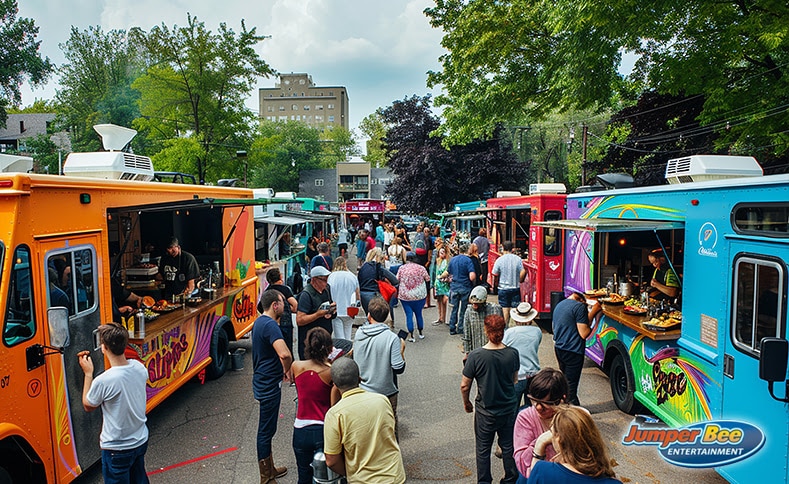
Smaller towns aren’t necessarily more relaxed with their guidelines. Gun Barrel City, with just 6,000 residents, strictly enforces unobstructed fire-lane access during any event, with no exceptions whatsoever. A food truck parked just a few feet off its designated spot can get your event shut down faster than a big stadium show in Dallas, primarily because emergency crews need to use those same narrow roads.
Most communities have finally moved their permitting process online, and a quick search usually shows perks you might never know to ask for. Charity runs, neighborhood festivals, or school fundraisers sometimes qualify for waived or lower fees - the application form won’t volunteer that information. But a phone call to the permit office usually will. Noise restrictions deserve that same proactive attention, especially in historic districts where homeowners guard their peace and quiet with decibel meters and City Hall on speed dial.
Take care of permits, sound limits, and fee schedules early in your planning process, and your timeline opens up considerably. Ignore these important steps, and you’ll spend your launch week negotiating instead of celebrating. Every city wants the same outcome - well-organized events - it’s just the fine print that changes from one place to another.
Make Your Party Unforgettable
Say you see twinkle lights hanging over a park at sunset, with music floating through the air while guests move between game stations and the food line. These magical moments only seem effortless because someone did the planning weeks - or even months - earlier. Getting permits is your first key step. Most Texas cities recommend allowing 30 days for a family reunion and as many as 120 for a festival. When you respect this timeline, you can trade last-minute panic for organized planning and peaceful preparation.
After you start the permit process, you should look at your budget next. Permit fees, deposits, and security personnel - these costs increase with your guest count, and understanding this from the start helps keep your spending plan grounded. An event with 500 people might need a higher park usage fee plus a refundable damage deposit that’s much bigger than what you’d pay for a small block party. You might need extra permits for tents, electrical inspections, and necessary insurance coverage, which turns rough guesses into real figures. Understanding this early on lets you figure out if you can afford that second food truck or put more money toward a bigger stage without running into unexpected costs later.

City committees are the gatekeepers who make sure crowds remain safe, and neighbors stay happy. Their review processes take longer during busy seasons, so you should treat each meeting as an opportunity to build relationships instead of viewing them as hurdles. When you bring thorough documentation and ask direct questions, you’ll usually leave with helpful tips that help you avoid day-of-event problems - like where fire lanes actually need to be kept open or which noise limits apply after dark. Working together with officials seems slower, but it’s definitely the best way to help you spend your event day creating memories instead of dealing with violations.
When the paperwork is finally done, you can then think about the fun activities. That’s where Jumper Bee Entertainment stands out. We live in your community and love throwing great parties just as much as your guests love going to them. Our wide inventory proves our commitment - water slides to combat the Texas heat, retro arcade cabinets for a dose of nostalgia, tower inflatables that create an awesome kids’ zone, and carnival games that get even shy coworkers to join the competition. Just tell us how big your group is and what vision you have in mind, and we’ll match you with perfect attractions, deliver everything on schedule, and remove it all afterward.
Request your free quote now, and we’ll help turn those twinkle-light dreams into an event everyone will remember for years to come!

Leave a comment
Be the first to share your thoughts.